How BBL Laser Works: Quick Guide
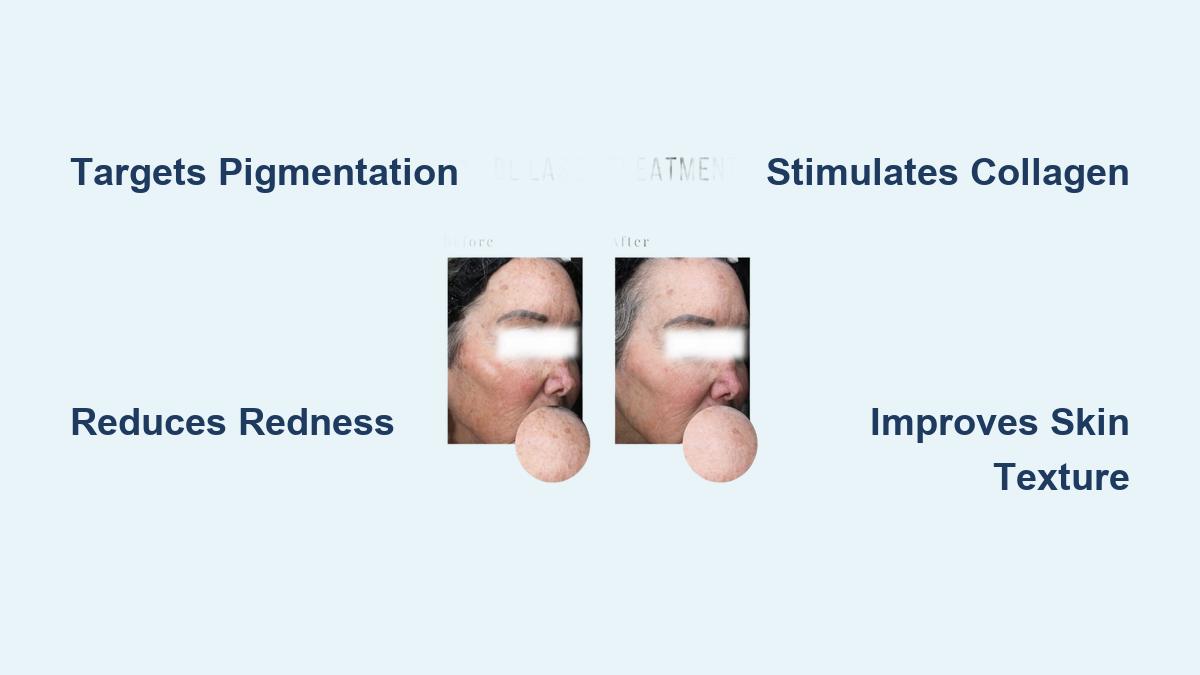
You’ve seen the before-and-after photos: smoother skin, faded sunspots, reduced redness. BBL laser treatments promise all of this and more. But how does BBL laser work, exactly? Despite its name, BBL (BroadBand Light) is not a true laser. It uses intense pulsed light (IPL) technology to deliver a spectrum of wavelengths into the skin, targeting pigmentation, redness, texture issues, and signs of aging at a cellular level.
This guide breaks down the science behind BBL from the first pulse of light to long-term skin renewal. You’ll learn what happens during treatment, how your skin heals, who benefits most, and why consistent sessions can slow visible aging.
Target Skin Chromophores with Precision

BBL works by targeting natural light-absorbing molecules in the skin called chromophores. These include melanin (pigment), hemoglobin (in blood vessels), and water (in deeper tissue). Each absorbs specific wavelengths of light, allowing BBL to selectively treat different conditions using adjustable filters.
How Melanin Absorption Clears Pigmentation
Melanin, the pigment responsible for dark spots and sun damage, absorbs light most effectively in the 500–600 nm range. When BBL delivers pulses at these wavelengths, the melanin in age spots, freckles, or sunspots rapidly heats up. This thermal energy fragments the pigment, causing it to rise to the surface.
Within 2–7 days, treated spots darken, often resembling coffee grounds, before flaking off naturally over 5–14 days. The process clears discoloration without damaging surrounding skin.
Pro tip: Avoid picking or scrubbing darkened spots. Let them shed naturally to prevent scarring or pigmentation changes.
Hemoglobin Targets Reduce Redness and Broken Capillaries
Facial redness, rosacea, and spider veins stem from visible blood vessels near the skin’s surface. The hemoglobin in these vessels absorbs light in the 500–600 nm and 900–1200 nm ranges. BBL uses these wavelengths to gently heat and coagulate abnormal vessels.
Once heated, the vessel walls collapse and are gradually absorbed by the body’s immune system. Results appear over 2–6 weeks, with redness fading progressively.
Expert note: Multiple sessions are often needed for optimal vascular clearance, especially in severe rosacea cases.
Deep Heating Stimulates Collagen and Elastin
While shorter wavelengths treat surface concerns, longer ones (900–1200 nm) penetrate deeper into the dermis. Here, they gently warm the skin’s structural matrix, activating fibroblasts, the cells that produce collagen and elastin.
This controlled thermal injury kickstarts neocollagenesis: the production of new Type I and Type III collagen. Over weeks, this leads to:
• Firmer, thicker skin
• Reduced fine lines and wrinkles
• Tighter pores
• Improved elasticity
Unlike ablative lasers that strip the surface, BBL rebuilds from within.
Trigger Natural Healing and Skin Renewal
BBL doesn’t just remove flaws. It jumpstarts your body’s innate repair systems. The controlled heat from light pulses creates micro-injuries in targeted cells, prompting a cascade of healing responses that renew the skin over time.
Immediate Skin Response After Treatment
Right after a session, your skin may look slightly red or feel warm, like a mild sunburn. This is normal and typically fades within a few hours to two days. Swelling, especially around the eyes, can occur but subsides within 24 hours.
Pigmented areas begin to darken within 48–72 hours, signaling that the treatment is working. This temporary crusting phase is a key sign of effective melanin disruption.
Visual cue: If spots don’t darken, the settings may have been too low, or sun exposure pre-treatment reduced efficacy.
Skin Exfoliation and Cell Turnover Timeline
Between days 5–10, darkened pigmented lesions start to flake off. This is your skin shedding damaged cells. Never pick or scrub. Let the process happen naturally.
At the same time, deeper healing begins:
• Keratinocytes (surface skin cells) accelerate turnover
• Immune cells clear fragmented pigment and coagulated vessels
• Fibroblasts ramp up collagen synthesis
By week three, many patients notice brighter, smoother skin.
Long-Term Dermal Remodeling Effects
Visible results continue to evolve over 4–12 weeks. As collagen rebuilds, skin gains thickness and resilience. Studies show measurable increases in epidermal and dermal density after repeated BBL sessions.
Patients often report:
• Pores appear smaller
• Fine lines soften
• Skin feels tighter and more supple
With maintenance, these changes become cumulative, helping skin resist future damage.
Reprogram Skin at the Genetic Level

Beyond aesthetics, BBL delivers a groundbreaking biological benefit. It can alter gene expression in skin cells, effectively making aged skin behave like younger skin.
Gene Expression Changes Linked to Youthful Skin
A pivotal Stanford University study revealed that BBL treatment influences how skin cells read their DNA. After multiple sessions, researchers observed:
• Downregulation of genes linked to inflammation and oxidative stress
• Upregulation of genes involved in collagen and elastin production
• Increased cell proliferation and DNA repair mechanisms
This shift means treated skin doesn’t just look younger. It functions like younger skin at a molecular level.
Scientific insight: The gene profile of BBL-treated skin closely resembles that of individuals decades younger.
DNA Repair and Anti-Aging Implications
UV exposure damages skin cell DNA over time, accelerating aging and increasing cancer risk. BBL’s photothermal energy appears to stimulate DNA repair pathways, helping cells correct mutations caused by sun damage.
This positions BBL not just as a cosmetic fix, but as a regenerative and preventive therapy.
Treat Multiple Skin Concerns in One Session
One of BBL’s biggest advantages is its versatility. A single treatment can address several issues simultaneously, making it a favorite for full-face and body rejuvenation.
Clear Sunspots and Pigmentation Issues
BBL is highly effective for:
• Solar lentigines (sunspots)
• Age spots
• Freckles
• Post-inflammatory hyperpigmentation (PIH)
Using 500–600 nm filters, BBL breaks up excess melanin. Most patients see significant clearance after 3–5 sessions, spaced 3–6 weeks apart.
Caution: Melasma requires lower settings and strict sun protection to avoid rebound pigmentation.
Reduce Rosacea and Facial Redness
For those battling persistent redness or visible capillaries, BBL targets hemoglobin in dilated vessels. Over 2–6 weeks post-treatment, vessels fade as the body clears them.
Many rosacea patients report:
• Less frequent flushing
• Reduced background redness
• Improved tolerance to skincare products
Maintenance sessions every 6–12 months help sustain results.
Improve Skin Texture and Pore Appearance
Uneven texture and large pores often stem from sun damage and collagen loss. BBL’s deep heating tightens pore structure and thickens the dermis.
Results include:
• Smoother, more refined skin
• Reduced roughness
• Diminished appearance of mild acne scarring
Unlike harsh peels, BBL achieves this without downtime.
Step-by-Step Treatment Process
Knowing what to expect during a BBL session helps ease anxiety and ensures optimal results.
Pre-Treatment Skin Preparation
To maximize safety and effectiveness:
• Avoid sun exposure, tanning beds, and self-tanners for 4–6 weeks
• Stop using retinoids, AHAs, and BHAs for 1 week
• Discontinue waxing or chemical peels for 2–4 weeks
• Review medications with your provider, especially photosensitizing drugs
If you have a history of cold sores, your provider may prescribe antiviral medication to prevent outbreaks.
Must-do: Attend a consultation to assess your Fitzpatrick skin type and customize treatment settings.
What Happens During the Session
- Cleansing: The area is cleaned, and you’re given protective eyewear.
- Cooling gel application: A clear gel enhances light conduction and protects the skin.
- Pulse delivery: The handheld device glides over the skin, emitting quick flashes of light. Each pulse feels like a warm snap or rubber band flick.
- Integrated cooling: Sapphire tips or cryogen spray keep the surface cool and comfortable.
Treatment times vary by area:
• Face: 15–30 minutes
• Full face + neck: 30–45 minutes
• Hands or chest: 20–40 minutes
Topical numbing is rarely needed.
Post-Treatment Immediate Care
Right after, your skin may feel warm and look pink. Apply cool compresses if needed. Use gentle, fragrance-free products and avoid heat (saunas, hot showers) for 24–48 hours.
Sun protection is non-negotiable. Wear SPF 50+ daily and avoid direct sun for at least 14 days.
Optimize Recovery and Aftercare
Proper aftercare ensures smooth healing and protects your results.
Manage Redness and Swelling
Mild redness and swelling are common but resolve within 1–2 days. To soothe:
• Use cold compresses (10–15 minutes at a time)
• Take antihistamines if swollen
• Use fragrance-free moisturizers
Avoid irritants until skin fully calms.
Protect Skin During Pigment Shedding
Between days 5–10, dark spots begin to flake. Resist the urge to pick. Let them fall off naturally to avoid scarring or hyperpigmentation.
Continue using gentle cleansers, hydrating serums, and reparative creams. Resume retinoids and acids only after 7–10 days, or when skin feels normal.
Prevent Complications with Sun Protection
UV exposure post-BBL increases the risk of hyperpigmentation, hypopigmentation, or burns. Even brief sun exposure can undo your results.
Sun safety rules to follow:
• Wear SPF 30–50+ every day, even indoors
• Reapply every 4 hours outdoors
• Wear wide-brimmed hats and UPF clothing
• Avoid peak sun (10 a.m.–4 p.m.)
Long-term sun protection is essential for maintaining BBL benefits.
Ideal Candidates and Who Should Avoid It
BBL isn’t for everyone. Understanding eligibility helps prevent complications.
Best Candidates: Skin Types I–IV
BBL works best on fair to medium skin tones (Fitzpatrick I–IV). These skin types have enough contrast between normal skin and target lesions, allowing safe, effective treatment.
Ideal candidates:
• Have sun-damaged skin
• Want to treat redness, pigmentation, or early aging
• Seek natural results with zero downtime
• Commit to sun protection and follow-up sessions
Patients with rosacea, oily skin, or acne-prone skin also benefit.
Who Should Avoid BBL
Certain conditions increase risk:
• Fitzpatrick V–VI (darker skin): High melanin increases burn and pigment change risk
• Tanned or sunburned skin: Elevated melanin absorbs too much energy
• Pregnancy: Not studied; treatment is contraindicated
• Recent Accutane use: Skin is fragile; wait 6–12 months
• Active infections or wounds: Risk of spreading or delayed healing
Critical: Always disclose your full medical history during consultation.
Maximize Results with Proper Treatment Plan
BBL rewards consistency. A strategic plan ensures lasting, visible improvement.
Number of Sessions for Optimal Results
Most patients need 3–6 initial sessions, spaced 3–6 weeks apart. Factors influencing the plan include severity of concerns, skin type, and treatment area.
Those with moderate sun damage often see dramatic improvement after 3–5 sessions.
Maintenance Schedule for Long-Term Benefits
To sustain results and combat new sun damage:
• Schedule maintenance sessions every 6–12 months
• Many opt for seasonal treatments (spring and fall)
• Some choose quarterly touch-ups for ongoing glow
Long-term users report looking years younger than untreated peers.
Compare BBL to Other Light Therapies
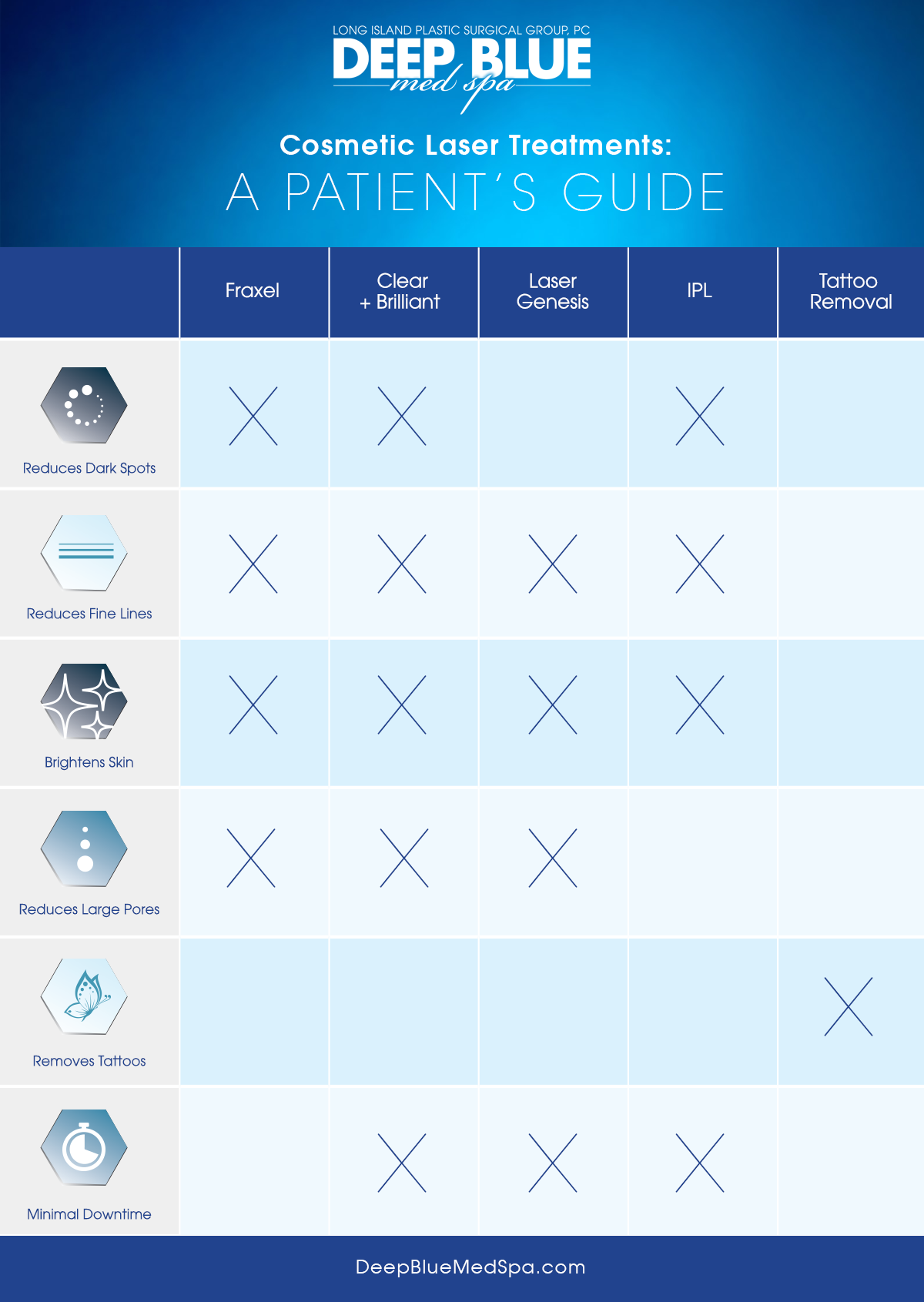
Understanding how BBL differs from lasers and other IPL systems helps you choose wisely.
BBL vs. Traditional Lasers
BBL uses broad-spectrum light targeting multiple concerns at once with no downtime. Traditional lasers use single wavelengths for deep correction but require varying downtime.
Lasers like CO2 or Fraxel offer more dramatic results but require recovery time. BBL is better for gradual, natural improvement.
BBL vs. Standard IPL
While both use IPL, BBL systems (like Sciton) are more advanced. They deliver higher, more consistent energy and offer better cooling and precision.
Not all IPL is created equal. BBL represents the gold standard in photorejuvenation.
BBL vs. Hybrid Treatments (HALO, MOXI)
• HALO: Hybrid fractional laser for deep resurfacing. Requires 3–7 days downtime.
• MOXI: Non-ablative fractional for prejuvenation. Minimal downtime.
• BBL: Best for comprehensive skin health, pigmentation, and redness with zero downtime.
Choose BBL if you want maximum versatility with no recovery time.
Ensure Safety with Professional Treatment
BBL is safe when performed correctly, but risks increase with improper use.
Common Side Effects (Temporary)
These normal reactions resolve within 3–7 days:
• Redness
• Swelling
• Warmth
• Mild peeling
• Darkened spots
Rare Risks and How to Avoid Them
• Burns or blisters: Caused by incorrect settings or treating tanned skin
• Hyper- or hypopigmentation: More common in darker skin types
• Scarring: Extremely rare with proper technique
• Cold sore outbreaks: Preventable with antiviral prophylaxis
Minimize risks by choosing a licensed dermatologist or trained provider using FDA-cleared devices.
Warning: If you develop blistering, increasing pain, or fever, contact your provider immediately.
Key Takeaways for Understanding BBL Laser
BBL uses broad-spectrum light to target pigmentation, redness, and aging at the cellular level. It works through selective photothermolysis, heating specific chromophores like melanin and hemoglobin while sparing surrounding tissue. Beyond surface improvements, BBL stimulates collagen production and has been shown to alter gene expression in treated skin, making aged cells behave more like younger ones.
The treatment requires 3–6 initial sessions with maintenance every 6–12 months. Results appear gradually, with pigmented spots darkening and flaking within 5–14 days and collagen remodeling visible over 4–12 weeks. Ideal candidates have fair to medium skin (Fitzpatrick I–IV) with no tan.
Proper aftercare, especially sun protection, is essential for maintaining results and preventing complications. When performed by trained professionals using FDA-cleared devices, BBL offers a safe, scientifically backed approach to skin rejuvenation.
Frequently Asked Questions About BBL Laser
How does BBL laser differ from traditional laser treatments?
BBL uses broad-spectrum light (multiple wavelengths), while traditional lasers use a single wavelength. BBL can target multiple concerns in one session with no downtime, whereas lasers typically address one issue per treatment and may require recovery time.
Is BBL laser painful?
Most patients describe the sensation as a warm snap or rubber band flick. Integrated cooling systems keep the surface comfortable. Topical numbing is rarely needed.
How many BBL sessions do I need for visible results?
Most patients see significant improvement after 3–6 sessions, spaced 3–6 weeks apart. Initial results appear within weeks, with continued improvement over 4–12 weeks as collagen rebuilds.
Can BBL treat all skin types?
BBL works best on fair to medium skin tones (Fitzpatrick I–IV). Darker skin types (Fitzpatrick V–VI) have higher melanin levels, increasing the risk of burns or pigmentation changes. Tanned skin should be avoided.
What is the recovery time after BBL treatment?
There is minimal to no downtime. Redness and warmth resemble a mild sunburn and resolve within hours to two days. Pigmented spots darken and flake within 5–14 days.
How long do BBL results last?
With proper sun protection and maintenance sessions every 6–12 months, results can last for years. Long-term users often report looking younger than their actual age compared to untreated peers.