How to Treat Ingrown Hair After Laser Hair Removal
You’ve just finished a laser hair removal session, expecting smoother skin. Instead, you’re dealing with red, itchy bumps that look suspiciously like ingrown hairs. This frustration is more common than you might think, especially in the first few laser sessions. While laser targets and destroys hair follicles over time, residual hairs can still become trapped under the skin during the shedding phase. This guide will walk you through exactly how to treat ingrown hair after laser, safely and effectively.
The good news? These post-laser ingrowns are usually temporary and manageable with the right care. You’ll learn how to identify what you’re dealing with, soothe irritated skin, prevent new ingrowns, and distinguish between normal laser side effects and true ingrown hairs. By following these steps, you can stay on track toward long-term, irritation-free skin.
Identify What You’re Actually Dealing With

Not every bump after laser is an ingrown hair. Treating the wrong condition can worsen irritation or delay healing, so accurate identification is essential.
Rule Out Normal Post-Laser Reactions
Redness, small bumps, and mild swelling within the first 24 to 72 hours are typically perifollicular edema, a normal response to laser energy. These bumps appear evenly around treated follicles, feel warm but not painful, and fade without treatment in 1 to 3 days. In fact, this is actually a sign the laser is working. If your skin looks like this, no special treatment is needed.
Spot True Ingrown Hairs
True ingrown hairs usually appear 5 to 14 days after treatment, as damaged hairs begin shedding. Signs include a raised, red, tender bump with a visible looped or curled hair beneath the skin. You might also notice pus or darkening of the skin, along with itching or persistent discomfort beyond the first few days. These require targeted treatment to prevent scarring or infection.
Recognize Folliculitis
Sometimes what looks like an ingrown is actually folliculitis, a bacterial or fungal infection of the follicle. Symptoms include pustules with white or yellow heads, spreading redness, pain or throbbing, and multiple bumps clustering in one area. If you suspect infection, avoid self-extraction and consider medical treatment.
Soothe and Prepare the Skin First
Before treating an ingrown hair, calm the area to reduce inflammation and soften the skin. This makes it easier for trapped hairs to emerge naturally.
Apply Warm Compresses
Starting 72 hours after your laser session, use warm compresses to open pores and encourage hair release. Soak a clean cloth in warm (not hot) water and press gently onto the affected area for 5 to 10 minutes. Repeat this 2 to 3 times daily. This simple step softens the skin and can help the hair exit naturally without picking.
Avoid Common Irritants
For the first 3 days post-laser, skip deodorants, perfumed lotions, and makeup on treated areas. Avoid hot showers, saunas, and workouts that cause sweating. Use only fragrance-free, gentle cleansers. Irritation weakens the skin barrier and increases the risk of trapping hairs.
Begin Gentle Exfoliation at the Right Time
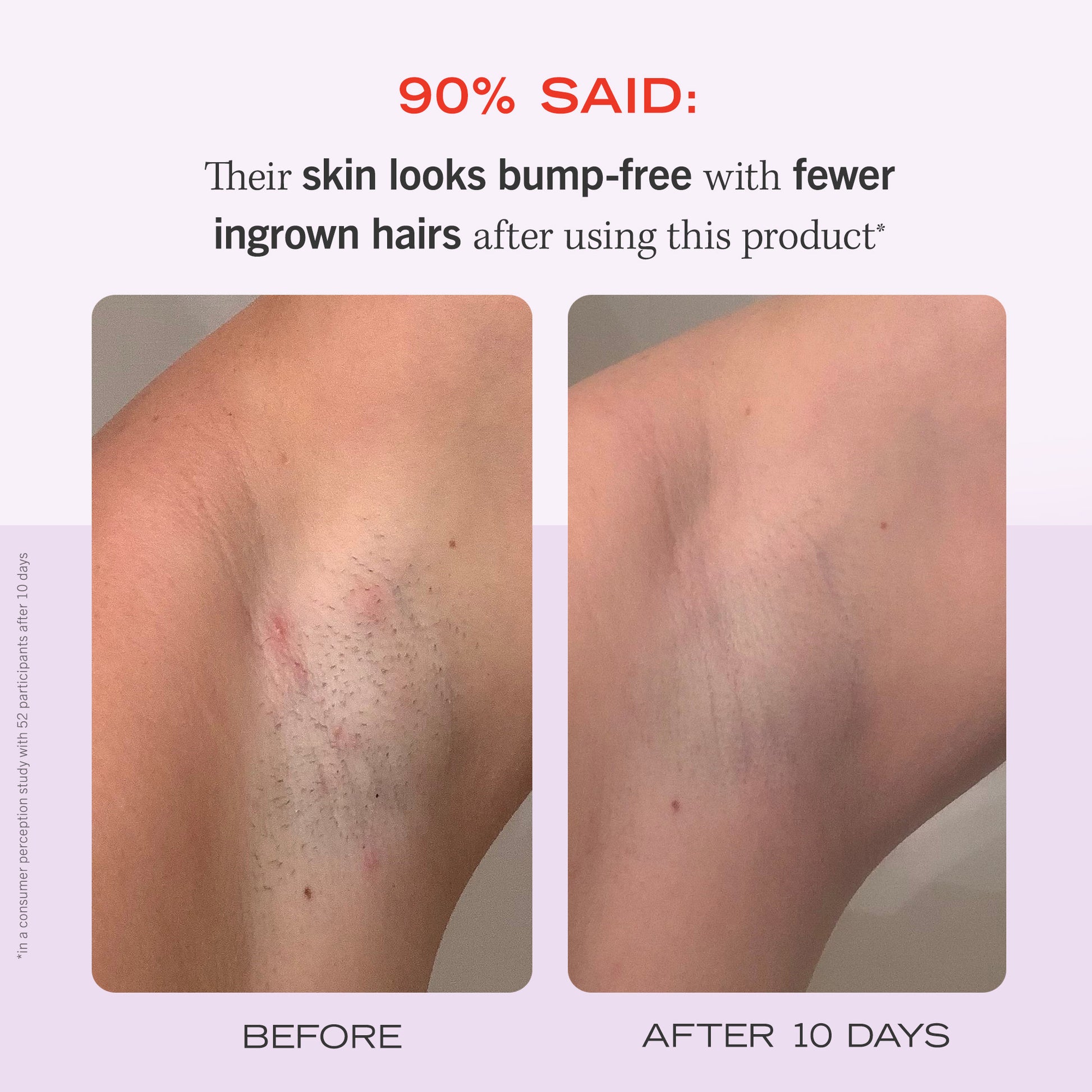
Dead skin buildup is a leading cause of ingrown hairs after laser. Once initial sensitivity fades, exfoliation helps clear the path for emerging hairs.
Wait 5 to 7 Days Post-Treatment
Never exfoliate immediately after laser. Wait until redness has subsided, skin no longer feels tender, and at least one week has passed. Exfoliating too soon can cause micro-tears and worsen inflammation.
Choose the Right Exfoliant
Use one of these safe options for your skin type. Physical exfoliation involves using a soft washcloth or muslin cloth and gently rubbing in circular motions. Chemical exfoliation uses 1 to 2% salicylic acid, which is ideal for oily or acne-prone skin. Enzyme-based options like papaya or pineapple enzymes work well for facial or sensitive skin. Limit exfoliation to 1 to 2 times per week to avoid over-drying.
Do Not Over-Scrub
Aggressive scrubbing can damage healing skin, push hairs deeper, and trigger more inflammation. Use light pressure and stop if skin becomes red or stinging.
Use Targeted Topical Treatments
The right creams and serums can reduce inflammation, kill bacteria, and help free trapped hairs without damaging sensitive post-laser skin.
Calm Inflammation with Hydrocortisone
For red, itchy bumps, apply 1% hydrocortisone cream to affected areas. Use it up to twice daily for no more than 7 days. Discontinue if no improvement appears in 3 to 4 days. Prolonged use can thin the skin, especially in delicate areas like the bikini line or face.
Unclog Follicles with Salicylic Acid
Salicylic acid is a beta-hydroxy acid that penetrates oil-filled pores, dissolves dead skin cells, and prevents follicular blockage. Apply a thin layer of 1 to 2% salicylic acid lotion or gel daily to prone areas.
Fight Bacteria with Benzoyl Peroxide
If pustules or mild infection are present, use 2.5 to 5% benzoyl peroxide gel. Apply a pea-sized amount to affected bumps once daily. This can be drying, so pair it with a gentle moisturizer. Avoid high concentrations or alcohol-based formulas that sting.
Prevent New Ingrown Hairs From Forming
Once you’ve cleared existing ingrowns, maintain a routine that prevents recurrence, especially between laser sessions.
Moisturize Daily
Dry skin increases flaking and clogs pores. Use a fragrance-free, non-comedogenic moisturizer every day. Look for ingredients like ceramides to restore the skin barrier, glycerin or hyaluronic acid to lock in hydration, and niacinamide to reduce redness and regulate oil. Adjust thickness by season, using lighter lotions in summer and richer creams in winter.
Wear Loose, Breathable Clothing
Tight fabrics trap heat and rub against healing skin. For 48 or more hours after treatment and during flare-ups, choose cotton underwear and loose pants. Avoid synthetic compression wear and let skin breathe to reduce friction and sweat buildup. This is especially crucial for the bikini, underarm, and leg areas.
Delay Shaving After Laser
Shaving too soon increases irritation and the chance of cutting hairs below the surface. Wait at least 7 days post-laser before shaving. When you do shave, use a clean, sharp razor and shave in the direction of hair growth. Avoid pressing hard or going over the same spot repeatedly. Consider using an electric shaver instead, which cuts hair at skin level and reduces ingrown risk.
Avoid These Dangerous Habits
Some common fixes for ingrown hairs can do more harm than good, especially on recently laser-treated skin.
Never Pick, Poke, or Pluck
Using tweezers, needles, or fingers to dig out a hair can cause scarring or permanent dark spots. It can also introduce bacteria, leading to infection, and damage surrounding follicles, disrupting laser results. Let the hair come out naturally or seek professional help.
Skip Waxing and Plucking Between Sessions
Between laser sessions, do not wax, pluck, or thread. These methods remove the hair root, which laser needs to target. Doing so makes future sessions less effective. Stick to shaving if hair removal is needed.
Stop Using Harsh Scrubs
Avoid apricot kernel scrubs, loofahs, and DIY sugar or salt scrubs with lemon. These are too abrasive and can micro-tear sensitized skin.
Know When to See a Professional
Most post-laser ingrowns resolve in 1 to 2 weeks with proper care. However, some cases need expert intervention.
Signs You Need Medical Help
Seek a dermatologist or licensed provider if you have bumps that worsen after 7 to 10 days, pus with spreading redness or fever, painful hard nodules under the skin, or recurring ingrowns despite good aftercare. These may indicate infection or cystic folliculitis.
What a Professional Can Do
A trained provider may perform sterile extraction of the trapped hair. They can prescribe topical antibiotics like clindamycin or recommend oral antibiotics for severe cases. They may also suggest anti-inflammatory injections for stubborn cysts and can confirm whether what you’re seeing is truly an ingrown or another skin condition.
Optimize Care by Body Area
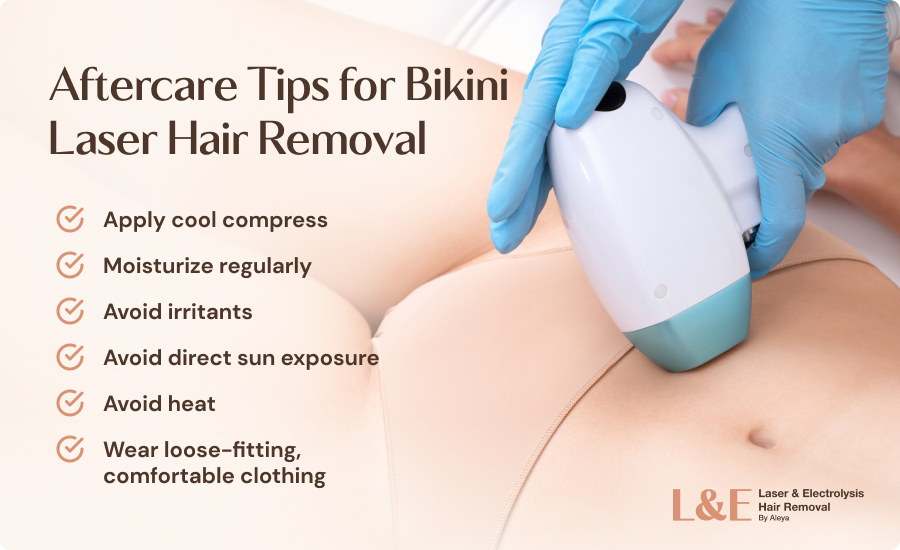
Different areas need different approaches. Tailor your treatment to the location for the best results.
Face: Use Extra Gentle Products
Facial skin is thin and prone to pigmentation. After laser, use low-concentration salicylic acid at 0.5 to 1%. Avoid alcohol-based toners and retinoids for 7 days. Consider an electric razor for between-session hair and stick to fragrance-free, non-comedogenic formulas.
Bikini Area: Reduce Friction and Moisture
This zone is prone to ingrowns due to tight clothing and sweat. To prevent them, wear cotton underwear, use antibacterial wash if prone to folliculitis, avoid shaving for at least one week post-laser, and apply moisturizer daily to prevent dryness. Be extra gentle when exfoliating since skin here is delicate.
Underarms: Avoid Deodorants Initially
After underarm laser, wait 48 hours before using deodorant or antiperspirant. Choose fragrance-free, aluminum-free options afterward. Shave only after one week and use mild exfoliants like lactic acid if skin tolerates it. Avoid tight shirts that rub the area.
Maintain Your Laser Schedule
The best way to stop ingrown hairs for good is completing your full laser series.
Follow the Recommended Timeline
Most protocols include 4 to 6 sessions for the face every 4 weeks and 6 to 8 sessions for the body every 6 to 8 weeks. Hair grows in cycles, so only follicles in the active phase are destroyed per session.
Expect Improvement by Session 3 to 4
Many people notice less hair regrowth, softer finer hairs, and fewer ingrown hairs. By the halfway point, your skin should already feel smoother.
Stay Consistent
Skipping sessions lets dormant follicles survive and regrow. Even if you’re seeing results, finish the full course for lasting effects.
Frequently Asked Questions About Treating Ingrown Hair After Laser
How long does it take for ingrown hairs to go away after laser?
Most ingrown hairs resolve within 1 to 2 weeks with proper home care. If bumps persist beyond 10 to 14 days or worsen, consult a dermatologist or your laser provider.
Can I use tweezers to remove an ingrown hair after laser?
No. Picking or tweezing can cause scarring, hyperpigmentation, and infection. It also damages surrounding follicles and interferes with laser results. Let the hair emerge naturally or seek professional extraction.
Why do I still get ingrown hairs after laser treatment?
Ingrown hairs during early laser sessions are normal. The laser destroys follicles over multiple sessions, and not all hairs are in the active growth phase during each treatment. As you complete more sessions, ingrowns should decrease significantly.
Should I exfoliate immediately after my laser session?
No. Wait 5 to 7 days after laser treatment before exfoliating. Exfoliating too soon can cause micro-tears, worsen inflammation, and trap hairs further under the skin.
Is it normal to get bumps after laser that look like ingrown hairs?
It depends. Normal perifollicular edema appears within 24 to 72 hours and resolves in 1 to 3 days. True ingrown hairs appear 5 to 14 days later and persist longer. If you’re unsure what you’re dealing with, err on the side of gentle care and consult your provider.
Key Takeaways for Treating Post-Laser Ingrown Hairs
Ingrown hair after laser is a temporary setback, not a treatment failure. With proper identification, gentle care, and consistent aftercare, you can resolve bumps quickly and prevent new ones from forming. Focus on soothing the skin with warm compresses starting 72 hours after treatment, then exfoliate wisely once sensitivity subsides. Avoid harmful habits like picking, early shaving, or using harsh scrubs. Most importantly, stay on schedule with your laser sessions. Completing your full series is your best path to smooth, ingrown-free skin for good. If bumps persist beyond two weeks or show signs of infection, seek professional help promptly.