How to Block Laser Light Effectively
Laser light can cause permanent eye damage, skin burns, or fire hazards, even from low-power beams. Whether you’re using a laser pointer, DIY engraver, or industrial system, knowing how to block laser light effectively protects your vision and workspace. The right method depends entirely on your laser’s wavelength, power level, and intended use. A cardboard barrier stops a 5 mW pointer, but a 10W blue diode requires engineered solutions like certified beam dumps or safety enclosures.
This guide covers proven methods for blocking laser light across all power classes, from everyday fixes to professional-grade systems. You’ll learn which materials work, how to build safe enclosures, why testing matters, and when to invest in certified gear.
Block Low-Power Lasers with Common Objects
For Class 1–3R lasers under 5 mW, simple physical barriers often provide sufficient protection.
Use Opaque, Non-Reflective Materials
Cardboard, thick paper, untreated wood, and plastic containers can fully stop visible laser beams at low power. These materials scatter and absorb photons, preventing transmission.
• Effective for red (650 nm), green (532 nm), and blue (445–455 nm) lasers
• Best when the beam is diffused or unfocused
• Test by checking for visible light on the far side of the material
Pro Tip: Aim the laser at a thick book or wooden block. If no light passes through and the surface doesn’t scorch, the material is blocking the beam effectively.
Avoid Flammable or Shiny Surfaces
Never use thin plastics, glossy paper, or untreated fabric near lasers. These materials may ignite or reflect the beam unpredictably.
• Fire risk increases with beam power and focus
• Shiny surfaces cause specular reflection, redirecting the beam like a mirror
• Even 100 mW lasers can start fires with prolonged exposure
User Reality Check: Reports of lasers “coming through walls” usually mean beams entered through windows, vents, or gaps, not penetrated solid drywall.
Limitations of Everyday Barriers
Household items offer convenience but lack guaranteed protection. They provide no optical density rating, performance varies by thickness and composition, and they’re unsafe for anything above 10 mW without verification.
Bottom line: Good for temporary blocking of weak lasers, but never rely on them near high-power systems or when eye safety is at stake.
Use Beam Dumps for High-Power Lasers
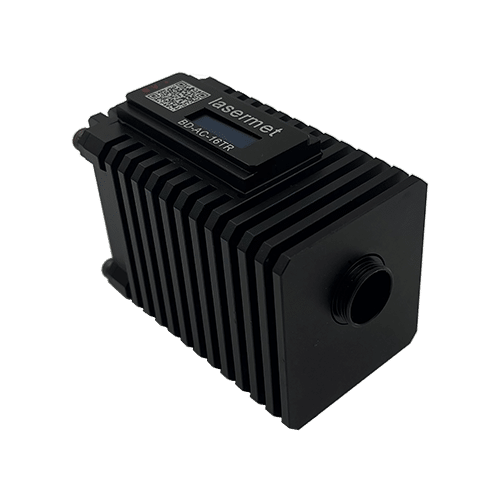
Class IV lasers (500 mW and above) generate enough heat to burn, melt, or ignite most materials. A beam dump is the safest way to terminate these powerful beams.
Choose High-Absorption, Low-Reflectivity Surfaces
Beam dumps absorb over 99% of incident light with minimal back-reflection under 1%.
• Carbon-loaded polymers
• Sintered metals
• Ceramic tiles
• Black anodized aluminum
• Specialty coatings like pyrolytic graphite or black nickel
These materials convert laser energy into heat, which must then be safely dissipated through cooling systems.
Implement Thermal Management
High-power beams deposit intense heat in a small area. Beam dumps manage this through passive cooling like heat sinks or thermally conductive substrates, or active cooling with water-cooled jackets for lasers exceeding 1 kW.
Example: Gentec-EO manufactures water-cooled beam dumps rated up to 100 kW continuous power for industrial cutting and military systems.
Ensure Precise Beam Alignment
A misaligned beam can bypass the dump and strike nearby surfaces. Always align with a low-power guide laser first, use beam profiling tools to confirm centering, and inspect regularly for burn marks or degradation.
Expert Note: Some beam doubles as laser power meters, allowing real-time energy monitoring ideal for labs and calibration setups.
Install Laser Safety Barriers

When you need to isolate a hazardous zone, laser barriers provide structural protection for personnel and equipment.
Match Optical Density to Laser Class
Optical density measures how much a material reduces laser intensity. OD 3 equals 1,000 times reduction, while OD 6 equals 1,000,000 times reduction. For Class IV lasers, OD 5–8 or higher is recommended.
Barriers must be rated for your laser’s wavelength (UV, visible, IR) and power density (W/cm²).
Select Barrier Type by Application
Rigid panels work best for fixed workstations with metal-framed durability. Flexible curtains suit mobile setups with fabric-reinforced polymers. Full enclosures protect high-risk areas with interlocked doors and warning lights.
Example: Phillips Safety LaserEdge Barriers (4 ft × 7 ft) cost $999–$1,099 and meet ANSI Z136.1 standards.
Include Safe Viewing Windows
Barriers often have transparent sections made from certified laser shielding acrylic. Never use standard glass or clear plastic since they offer zero protection.
Shield with Certified Laser Acrylic
For visibility during laser operation, certified transparent shielding is essential.
Pick the Right Wavelength Rating
Shielding must match your laser’s emission wavelength. J Tech Photonics blocks 250–520 nm covering blue, violet, and green diodes. Polymer Solutions 1019-145 provides OD greater than 5 at 190–375 nm (UV), OD greater than 4 at 376–533 nm (blue/green), and OD greater than 5 at 1064 nm (Nd:YAG) and 10,600 nm (CO₂).
Key Metric: OD 4 blocks 99.99%, OD 5 blocks 99.999% of laser light.
Balance Visibility and Protection
High OD materials reduce visible light transmission. For example, 16.5% VLT allows monitoring while maintaining safety. Orange or red acrylic improves contrast for blue and green lasers.
User Experience (Giarc): “I bought from J Tech because reflected light was getting under my glasses. This stuff is tested, I feel safer.”
Avoid Non-Certified Acrylic
Amazon or hardware store “laser shielding” acrylic may look protective but lacks verified OD ratings. One test showed 16 colored sheets blocked only 4–5% of 950 nm IR radiation. Certified materials cost $32 or more versus $10–$20 for untested alternatives.
Critical Warning: Never substitute untested materials in high-power setups.
Upgrade with Layered Shielding
Single materials may not provide full protection. Layering boosts safety without needing full certification.
Combine Absorption and Reflection
A typical layered setup includes an outer layer of orange acrylic to absorb blue/green light, an inner layer of reflective film like one-way mirror film to redirect unabsorbed energy, and a backup secondary filtering film behind the window.
User Setup (misken): “I use orange Plexiglas, a filtering film behind it, and still wear OD8+ glasses. There’s no guarantee, layers help.”
Always Pair with PPE
Even with shielding, wear certified laser goggles rated OD 6–8 or higher for high-power diodes. Match the goggles to your laser’s exact wavelength and choose full-wrap designs to block peripheral reflections.
Expert Rule (BNMaker): “You’ve only got one spare eye.”
Eliminate Exposure with Camera Monitoring
The safest way to observe laser operation is to never look directly at the beam.
Use a Camera Plus Monitor System
Mount a webcam, IP camera, or USB micro-camera inside the enclosure and view the feed on a tablet, PC, or monitor. This method is 100% eye-safe, low cost (used cameras often free, new under $50), and ideal for engravers, cutters, and alignment checks.
User Verdict (LSS): “The most affordable and 100% safe method.”
Optimize Camera Placement
Avoid direct beam exposure to the lens since it can damage sensors. Use IR-cut filters if near-IR (808 nm, 950 nm) is present. Seal cable entries to maintain enclosure integrity.
Final Word (misken): “The only true solution.”
Wear Laser Safety Goggles as Last Defense
Goggles are not a substitute for engineering controls; they’re your final safeguard.
Select by Wavelength and OD
For blue lasers (445 nm), OD 6 or higher is recommended. For green lasers (532 nm), OD 7 or higher is needed due to high eye sensitivity. For CO₂ lasers (10,600 nm), OD 4 or higher with IR-specific filtering is required.
Check the label to ensure it lists laser type, OD, and compliance with ANSI Z136 or IEC 60825.
Ensure Proper Fit
Gaps around lenses allow reflections to enter from the side. Choose wraparound styles with anti-fog coating and comfortable seals for extended wear.
User Concern: “Reflected light gets under the lenses sometimes.”
Fix: Use goggles with side shields or wear over prescription glasses.
Apply Holographic Filter Films
Used in law enforcement and tactical gear, holographic films offer always-on protection.
Reflect Green Lasers (532 nm)
Holographic films like metaAIR reflect specific wavelengths while transmitting most visible light. They provide greater than 80% VLT for natural vision, are angle-sensitive working best in direct line of sight, and are ideal for visors, ballistic shields, and vehicle windows.
Tactical Use: Officers wear them to resist laser dazzlers during confrontations.
Limitations
These films are less effective for blue or IR unless specially designed. They are not standalone solutions and must be paired with other controls.
Avoid Unsafe Materials
Some common materials are dangerous for blocking lasers.
Never Use These Materials
Polished metal, mirrors, or glass cause specular reflection. Clear acrylic or polycarbonate is transparent to most wavelengths. Untreated wood, paper, or fabric becomes a fire hazard above 100 mW.
Use Approved Alternatives
Black anodized aluminum provides high absorption and good heat dissipation. Ceramic tiles resist thermal shock. Laser-absorbing foams are used in diffusers and traps.
User Success (LaserPecker Group): Black metal plates and ceramic tiles safely blocked 20W or less engraver beams.
Test Shielding Effectiveness Properly
Never assume a material blocks a laser; verify it.
Professional Tools
Laser power meters (like Gentec-EO) measure attenuation directly. Thermal cameras detect hotspots. Laser detection cards fluoresce on impact. Low-power alignment lasers check beam path first.
DIY Tests Are Not Reliable for High Power
The burn test involves shining through material onto tissue paper with no scorching indicating likely attenuation, but this is not proof of safety. IR meter testing found standard acrylic passed 95% of 950 nm IR, which is deadly for YAG lasers.
Critical Warning: DIY methods do not replace lab certification. Use them only for low-risk, low-power applications.
Match Blocking Method to Laser Type
For Blue Diodes (445–455 nm)
Use 3mm orange or red acrylic (certified), add a reflective inner layer, wear OD6 or higher goggles, and use a camera system for viewing.
For CO₂ Lasers (10,600 nm)
Use CO₂-rated acrylic (6–10 mm thick). Standard orange acrylic does nothing. Require OD greater than 5 at 10.6 μm.
User Question: “Will any acrylic work for my 80W CO₂?”
Answer: No, only IR-specific shielding is effective.
For Green Lasers (532 nm)
The best option is holographic filters like metaAIR. Dye-based green-blocking filters are an alternative. The challenge is high eye sensitivity demands OD 6 or higher minimum.
Follow Safety Hierarchy of Controls
Prioritize protection in this order.
1. Engineering Controls
These include enclosures, interlocks, beam dumps, and certified windows.
2. Administrative Controls
Training, warning signs, access restrictions, and laser labels (wavelength, class) fall under this category.
3. PPE
Goggles, face shields, and flame-resistant clothing are your last line of defense.
Golden Rule: Never rely on non-certified materials or goggles alone.
4. Risk Mitigation
Inspect shielding regularly, use camera monitoring, and comply with ANSI Z136.1 or IEC 60825.
Key Takeaways for Blocking Laser Light Safely
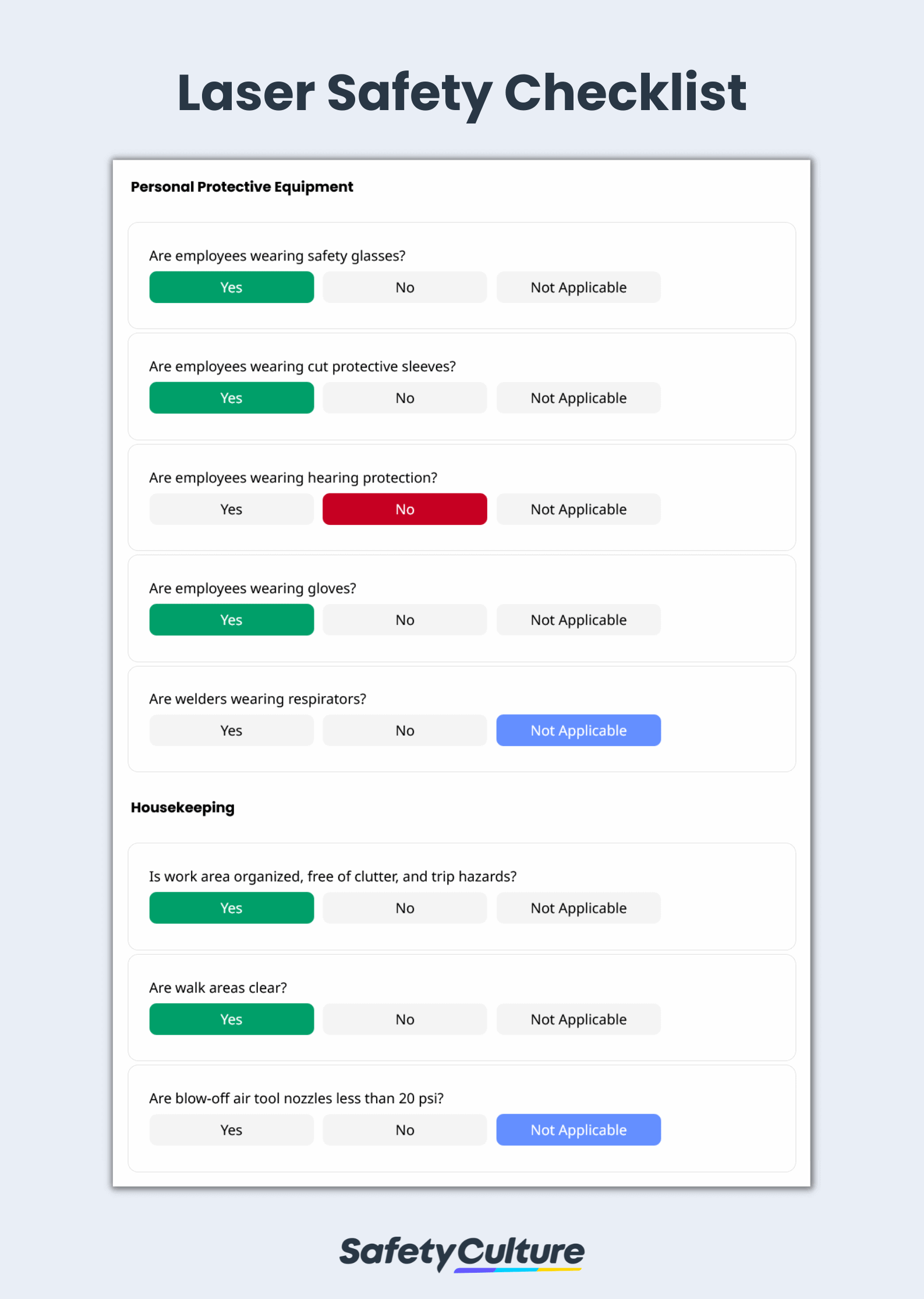
Blocking laser light requires matching your protection method to the specific laser class and wavelength. For low-power lasers under 5 mW, opaque materials like cardboard or wood provide basic blocking. For Class IV lasers above 500 mW, invest in certified beam dumps, barriers rated OD 5 or higher, and water cooling when needed.
Always layer your safety measures. Combine certified acrylic shielding with reflective inner layers, camera monitoring systems, and appropriate PPE. Never trust untested materials for high-power applications, and verify all shielding with professional tools when possible.
For DIY laser engravers, start with a camera-based viewing system, upgrade to certified orange acrylic for windows, and wear OD6 or higher goggles rated for your specific wavelength. When in doubt, consult experts at Gentec-EO or Phillips Safety.
Frequently Asked Questions About Blocking Laser Light
What material blocks laser light most effectively?
Certified laser shielding acrylic with high optical density (OD 4 or higher) blocks laser light most effectively. Materials like carbon-loaded polymers, black anodized aluminum, and ceramic tiles absorb beam energy safely. Avoid polished metal or mirrors since they reflect beams unpredictably.
Can cardboard stop a laser pointer?
Yes, cardboard stops most laser pointers (under 5 mW) completely. Thick paper, wood, and plastic containers also work for Class 1–3R lasers. However, these materials offer no fire resistance or guaranteed protection for higher-power lasers.
How do I block laser light at home safely?
For home laser pointers, use opaque materials like cardboard or thick books. For DIY laser engravers, install certified orange acrylic viewing windows, use a camera plus monitor system for observation, and always wear wavelength-specific goggles. Avoid using untested materials like standard acrylic or clear plastic.
Does orange acrylic block blue laser light?
Yes, orange acrylic effectively blocks blue lasers (445–455 nm) through absorption. Three-millimeter thickness provides adequate protection for diodes under 3W. However, ensure the acrylic is certified for laser use rather than using untested hardware store materials.
What OD rating do I need for laser goggles?
For diode lasers (445 nm), OD 6 or higher is recommended. For green lasers (532 nm), OD 7 or higher is needed due to high eye sensitivity. For CO₂ lasers (10,600 nm), OD 4 or higher with IR-specific filtering is required. Always match the goggle rating to your specific wavelength.
Can laser light pass through walls?
No, laser light cannot pass through solid walls like drywall, wood, or plaster. Reports of lasers “coming through walls” typically mean beams entered through windows, vents, electrical boxes, or other structural gaps.