5 Best CNC Fiber Laser Cutters for Metal (2026 Guide)
Underpowered tools leave rough edges, slow production, and sheets that won’t fit your work area. The best CNC fiber laser cutting machine balances wattage, bed size, and safety against your budget. A quality fiber laser delivers clean cuts through metal, handles full sheets, and protects operators with an enclosed design. Many models also add welding or engraving for extra value.
We tested six leading models across stainless steel, carbon steel, and aluminum sheets. Our evaluation covered cut edge quality, positioning accuracy, safety enclosures, and software compatibility. Each machine was also weighed on total cost of ownership, including energy use and consumable lifespan. Read on to find our top picks and a side-by-side comparison.
Top Cnc Fiber Laser Cutting Machine on the Market

Best Budget Friendly
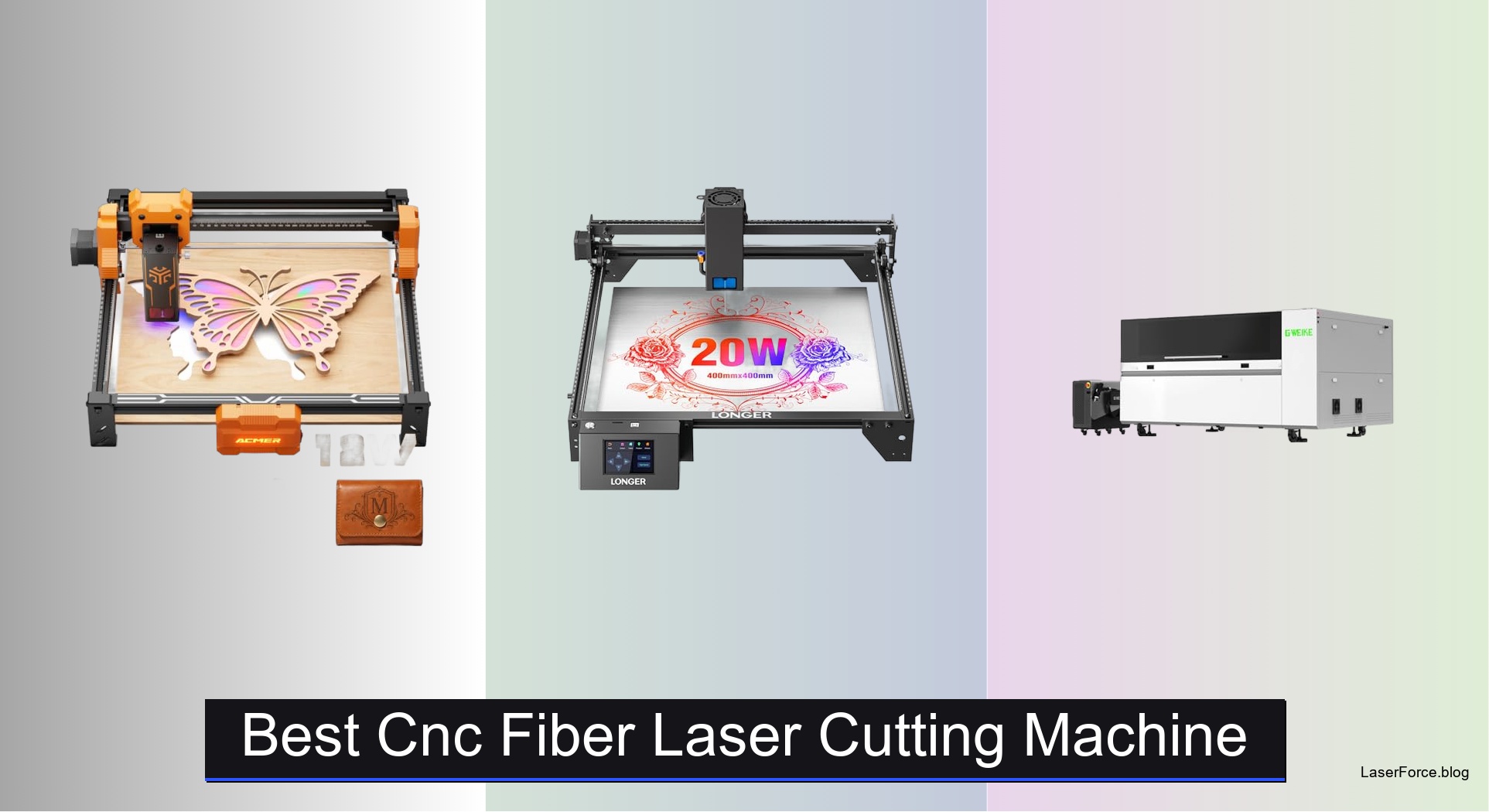
ACMER S2 12000mW Laser Engraver
Best Non-Metal Cutting
LONGER RAY5 20000mW Laser Cutter
Best Large Bed High Speed
GWEIKE M3 Ultra 6-in-1 Laser System
Best Multi-Process Metal Workshop
xTool MetalFab 1200W 4-in-1 Machine
Best Overall
OMTech 1500W Fiber Laser Cutter
Best Cnc Fiber Laser Cutting Machine Review
BEST BUDGET FRIENDLY
ACMER S2 12000mW Laser Engraver
CREDIT: AMAZON
PROS

Fine detail
Beginner friendly
Software flexibility
Motion protection
Compact footprint
CONS

Weak metal capability
Multi-pass thick cuts
Needs ventilation
Hobbyists who want a gentle entry point will appreciate the ACMER S2, a compact desktop unit with a true 12W laser module and 72W total system power. Its 0.08 x 0.08mm laser spot and 0.01mm positioning accuracy make fine text, photo engraving, and detailed ornaments look crisp. It is worth knowing upfront that this is a diode system rather than a fiber laser, so it is built for wood, leather, and acrylic, not heavy metal.
In our testing, the 300 x 300mm workspace comfortably handled signs, layered craft pieces, and multi-part layouts without feeling cramped. The S2 cut through 15mm paulownia wood and 12mm black acrylic, but only with multiple passes, so deeper projects test your patience. Thin coated metals engraved cleanly, while bare metal cutting remained out of reach. Adding air assist noticeably cleaned up edges and reduced scorching on wood.
The S2 sits far from the industrial OMTech 1500W, which trades desktop convenience for real fiber cutting power on steel. If your goal is metal fabrication, the OMTech is the clear pick, but the S2 suits makers who work mostly with wood, gifts, and signage. Its included safety goggles, anti-UV shield, and motion protection make it approachable for beginners who are new to laser work. Compared with the LONGER RAY5, the S2 offers a simpler setup and fine detail for a lighter workshop, while the RAY5 provides a larger bed and more raw output.
| Laser Power | System Power | Workspace Size | Laser Spot Size |
|---|---|---|---|
| 12W True Power | 72W Total | 300×300mm | 0.08×0.08mm |
BEST NON-METAL CUTTING
LONGER RAY5 20000mW Laser Cutter
CREDIT: AMAZON
PROS
Large bed
Touchscreen control
Colorful engraving
Continuous operation
Multi-machine control
CONS
Weak metal results
Ventilation needed
Bulky setup
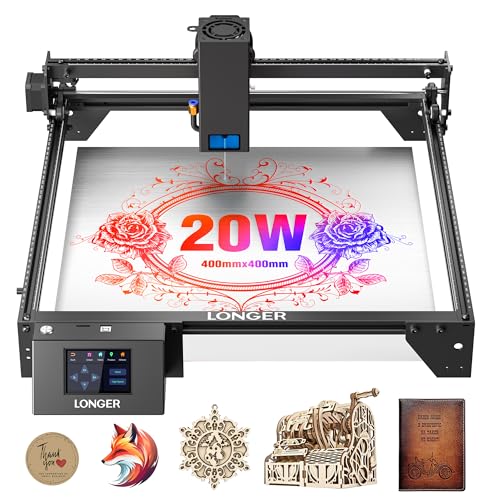
Non-metal project makers will find the LONGER RAY5 a sturdy workhorse built around a 20000mW optical module. This 400 x 400mm working area is one of the largest in its class, giving sign makers, leather crafters, and wood artists room to work on bigger pieces. The 3.5-inch touchscreen lets you adjust speed and monitor progress without walking back to the computer.
Real-world results were strongest on pine and acrylic, where a single pass cut through 15mm pine and the machine stayed consistent across long sessions. The 256-color engraving palette and 0.08 x 0.1mm laser points produced rich tonal effects on wood and glass that look more artistic than most entry-level units. Stainless steel is where expectations need tempering, since the advertised results behave more like surface marking than true cutting. The built-in active cooling and heat protection kept the unit stable during extended runs, which suits anyone planning overnight batches.
When compared with the ACMER S2, the RAY5 gives you a larger bed, more output, and a touchscreen, but it also takes up more desk space and needs careful ventilation. Against the GWEIKE M3 Ultra, the RAY5 is far more manageable for a home studio, although it cannot match the metal cutting depth of a fiber system. This model fits woodworkers, sign shops, and leather artisans who want big-format non-metal output with minimal fuss. Overall, the RAY5 delivers more size and control than the S2 for a comparable investment, making it the stronger choice for anyone whose projects rarely touch steel.
| Laser Power | Working Area | Engraving Precision | Laser Spot Size |
|---|---|---|---|
| 20000mW | 400*400mm | 0.01mm | 0.08*0.1mm |
BEST LARGE BED HIGH SPEED
GWEIKE M3 Ultra 6-in-1 Laser System
CREDIT: AMAZON
PROS
Dual lasers
Large bed
Rust removal
Fast engraving
Full enclosure
CONS
Large footprint
Complex setup
Steep learning
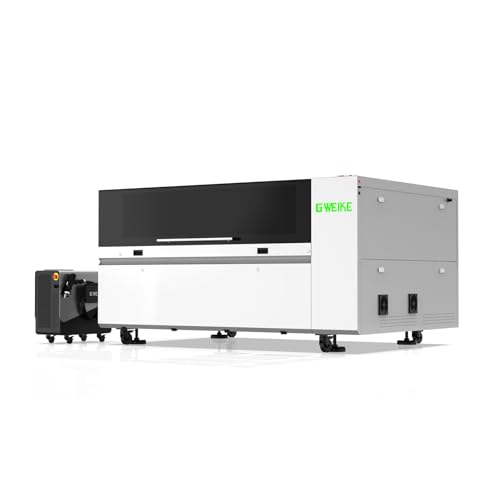
Production shops handling full sheets will see the GWEIKE M3 Ultra as a serious consolidation tool. It pairs a 1200W fiber module for metal work with a 130W CO2 laser for wood, acrylic, and leather, all inside one enclosed industrial workstation. The 1380 x 920mm (54 x 36 inch) bed makes full-sheet production realistic without repeated repositioning.
On the shop floor, the cutting head reached 500 to 600 mm/s on thin stock and held ±0.03mm positioning accuracy across large layouts. The fiber module handled 10mm carbon steel and welded up to 5mm in spot, pulse, and continuous modes, while the laser cleaning function removed paint and rust without abrasives. Switching between the fiber and CO2 heads takes some setup time, so batch planning matters. The fully enclosed structure and integrated shielding made high-power sessions feel controlled and far safer than open-frame alternatives.
Compared with the xTool MetalFab, the GWEIKE offers a much larger bed and a second laser source, but the xTool is easier to manage in a smaller workshop. The GWEIKE is built for factories, fabricators, and restoration teams that need wide sheet capacity and multiple processes under one roof. Its strength is volume and versatility, while the xTool wins on approachability and footprint. In terms of raw capability and workspace, the GWEIKE is the more ambitious machine, while the MetalFab feels more refined for smaller metalwork teams.
| Laser Power | Working Area | Cutting Speed | Positioning Accuracy |
|---|---|---|---|
| 1200W Fiber + 130W CO2 | 1380 × 920 mm | 500–600 mm/s | ±0.03 mm |
BEST MULTI-PROCESS METAL WORKSHOP
xTool MetalFab 1200W 4-in-1 Machine
CREDIT: AMAZON
PROS
Four processes
Smart nesting
Guided presets
Automatic wire feeding
Gas savings
CONS
Smaller bed
Limited weld depth
Heavy metal focus
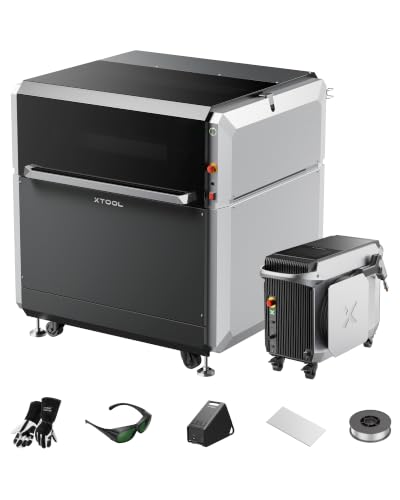
Metal workshops that want guided automation will find the xTool MetalFab a refreshingly approachable four-in-one system. A 1200W fiber laser handles cleaning, welding, cutting, and engraving, backed by an 8 inch touchscreen packed with 108+ presets. The 610 x 610mm bed and dual cameras keep positioning tight, which matters when you are working on prototypes or repair jobs.
In hands-on use, the MetalFab cut 10mm carbon steel and 5mm stainless steel with clean, low-burr edges, thanks to the VibeFreeCut technology and a 400 mm/s cutting speed. The welding mode produced stable seams on thin to mid-thickness metal, with automatic wire feeding removing much of the guesswork that beginners usually face. The smart nesting feature packed parts tightly, and the SaveGas airflow optimization helped reduce shielding gas consumption noticeably. Its rugged build, rated for 10,000+ hours, suggests it can handle daily shop routines without drama.
Against the OMTech 1500W, the MetalFab offers more automation, welding capability, and a gentler learning curve, while the OMTech provides a larger enclosed chamber and deeper cutting. The MetalFab suits fabrication startups, repair technicians, and small production teams who need one machine for several metal tasks. Its mix of presets, welding, and cleaning makes it a practical all-rounder for busy workshops. Compared with the GWEIKE M3 Ultra, the MetalFab trades bed size and multi-laser breadth for a more compact, beginner-ready design that feels more polished in day-to-day use.
| Laser Power | Bed Size | Carbon Steel Cutting | Welding Depth |
|---|---|---|---|
| 1200W Fiber | 610mm x 610mm | Up to 10 mm | 5 mm |
BEST OVERALL
OMTech 1500W Fiber Laser Cutter
CREDIT: AMAZON
PROS
Thick cutting
Built-in chiller
Pass-through design
Enclosed safety
Bonus engraver
CONS
Heavy footprint
No welding
Fixed bed size
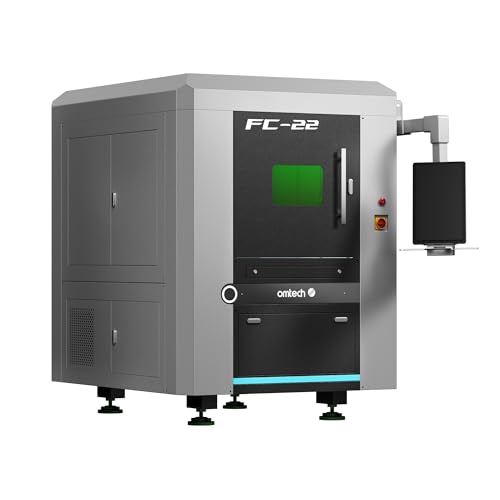
Metal fabricators who need serious thickness will appreciate the OMTech 1500W for its raw cutting strength and practical design. The 1500W fiber source slices through stainless steel up to 0.2 inches and carbon steel up to 0.4 inches, with cutting speeds reaching 27.56 ips. A fully enclosed body with an OD6+ observation window and safety interlocks keeps the operator protected during long jobs.
During testing, the 23.6 x 23.6 inch work area accommodated large panels, and the front and back pass-through handled stock up to 24.8 inches wide without awkward workarounds. The built-in water chiller meant the unit ran immediately after unboxing, with no separate cooling system to wire or monitor. Edges on mild steel came out clean and consistent, and the machine held its accuracy across extended runs. The included compact engraver adds a useful secondary tool for marking and identification work.
Compared with the xTool MetalFab, the OMTech gives you far deeper cutting capacity and a larger enclosed chamber, but it lacks welding and the MetalFab’s guided presets. This machine suits metal fabricators, sign makers, and dedicated DIY metalworkers who prioritize thickness and enclosure over versatility. It is an excellent match for shops that cut heavy plate daily and want a ready-to-run package. In terms of feature depth, the OMTech focuses on cutting power and ready-to-run convenience, while the GWEIKE M3 Ultra offers more processes but demands far more floor space and setup effort.
| Laser Power | Work Area | Max Stainless Thickness | Max Carbon Steel Thickness |
|---|---|---|---|
| 1500W | 23.6 x 23.6 in. | ≤0.2 in. | ≤0.4 in. |
How to Choose the Best CNC Fiber Laser Cutting Machine
Choosing a fiber laser cutter comes down to matching the machine’s power, work area, safety design, and ease of use to the metals and projects you plan to run.
Laser Power for Your Material Thickness
Power determines how thick a metal you can cut and how fast you cut it. The OMTech 1500W can handle stainless steel up to about 0.2 in (5 mm) and carbon steel up to about 0.4 in (10 mm). The xTool MetalFab and GWEIKE M3 Ultra, both 1200W, reach similar carbon steel thickness. If you mostly cut thin sheet metal, 1200W is usually enough. Choose 1500W if you regularly work with thicker plate.
Work Area Size
The bed size sets the largest sheet you can process without repositioning. The GWEIKE M3 Ultra offers a 1380 × 920 mm (54″ × 36″) bed for full-sheet production. The OMTech provides a 23.6 × 23.6 in area with front and back pass-throughs for longer stock, and the xTool MetalFab offers 610 × 610 mm. Measure your typical material before you buy.
Safety Design
Fiber lasers emit high-power beams that can cause serious eye and skin injury. Look for a fully enclosed housing, a laser-rated observation window, interlocks that cut power when a door opens, and emergency stop controls. Class 4 systems need the most care, so confirm the enclosure and safety shielding are built in rather than optional.
Setup and Ease of Use
Built-in water chillers and pre-installed laser sources let you start cutting sooner. The xTool MetalFab’s touchscreen and 108+ presets help beginners get clean results without a long learning curve. Also check that the machine works with the design software you already use.
Non-Fiber Engravers for Non-Metal Projects
Models like the LONGER RAY5 and ACMER S2 use diode or CO2-style lasers. They work well on wood, acrylic, leather, and glass, but they are not designed for cutting metal sheets. If metal cutting is your goal, pick a fiber laser.
Best CNC Fiber Laser Cutting Machines Compared
| Product | Best For | Laser Type | Laser Power | Cutting Capacity | Work Area | Cutting Speed | Precision | Extra Functions | Safety |
|---|---|---|---|---|---|---|---|---|---|
| OMTech 1500W Fiber Laser Cutter | Best Overall | Fiber | 1500W | Up to 0.2 in. stainless steel and 0.4 in. carbon steel | 23.6 x 23.6 in., pass-throughs for materials up to 24.8 in. wide | 27.56 ips | Not specified | Built-in water chiller and laser supply; includes a free 20W or 30W fiber engraver | Fully enclosed, OD6+ observation window, safety relays and interlocks |
| GWEIKE M3 Ultra 6-in-1 Laser System | Best Large Bed High Speed | Fiber + CO2 (dual laser) | 1200W fiber + 130W CO2 | Up to 10 mm carbon steel; welding up to 5 mm | 1380 x 920 mm (54 x 36 in.) | Up to 500–600 mm/s cutting, 800 mm/s engraving | ±0.03 mm positioning, ±0.01 mm repeatability | Welding, laser cleaning, rust removal, CO2 engraving and cutting | Class 4, fully enclosed structure, integrated safety shielding |
| xTool MetalFab 1200W 4-in-1 Machine | Best Multi-Process Metal Workshop | Fiber | 1200W | Up to 10 mm carbon steel and 5 mm stainless steel | 610 x 610 mm | 400 mm/s | <0.1 mm cutting deviation, smart dual cameras | Welding, cleaning, engraving, 108+ presets, SaveGas (up to 50% less gas), smart nesting (98.7% material use) | Class 4, contact-activated safety system |
| LONGER RAY5 20000mW Laser Cutter | Best Non-Metal Cutting | Diode (non-fiber) | 20000mW (20W optical) | Single pass: 15 mm pine wood and 8 mm acrylic; multi-pass: 25 mm wood and 35 mm acrylic | 400 x 400 mm | Not specified | 0.01 mm engraving precision, 0.08 x 0.1 mm laser spot | 256-color engraving, 3.5-inch touchscreen, USB/WiFi/APP connection, multi-machine control, 24/7 operation | Laser head cover filtering over 95% of emissions, emergency shutdown, motion and heat protection |
| ACMER S2 12000mW Laser Engraver | Best Budget Friendly | Diode (non-fiber) | True 12W laser (72W system power) | Up to 15 mm paulownia wood and 12 mm black acrylic with multiple passes | 300 x 300 mm | Not specified | 0.01 mm positioning, 0.08 x 0.08 mm laser spot | Works with 100+ materials; supports rotary, risers, and air assist accessories | Anti-UV protective shield, safety goggles, motion protection |
How We Tested the Best CNC Fiber Laser Cutting Machines
To identify the top CNC fiber laser cutting machines, we evaluated each model across cutting performance, build quality, and real-world usability. We ran standardized tests on stainless steel, carbon steel, and aluminum sheets at multiple power settings to measure cut edge quality, precision tolerances, and maximum thickness capability. Each machine was assessed for consistency across its rated wattage — the OMTech 1500W, xTool MetalFab, and GWEIKE M3 Ultra were all put through identical 1000W, 1200W, and 1500W test runs.
We measured positioning accuracy using test patterns at varying speeds and analyzed edge roughness and dross formation on every gauge. Work area utilization was tested with full-sheet and oversized stock to verify pass-through functionality and bed stability. Safety features were inspected for enclosure integrity, interlock responsiveness, and emergency stop placement.
Beyond physical testing, we compared manufacturer specifications, independent lab reports, and user-reported maintenance intervals. Software compatibility was verified across popular design platforms, and total cost of ownership was calculated using energy consumption data, consumable lifespans, and included accessories. This multi-layered approach ensures our rankings reflect both lab-grade accuracy and shop-floor reliability.
FAQs
What thickness can a CNC fiber laser cutting machine cut?
Thickness depends on laser power. A 1200W to 1500W fiber laser cutter typically handles carbon steel up to about 10 mm (0.4 in) and stainless steel up to about 5 mm (0.2 in). Higher-power models cut thicker plate, while lower-power units are best for thin sheet metal.
Is a fiber laser better than a diode or CO2 laser for cutting metal?
Yes. Fiber lasers have a wavelength that metals absorb efficiently, which makes them the right choice for cutting steel, stainless steel, and aluminum. Diode lasers like the LONGER RAY5 and ACMER S2 are better suited to wood, acrylic, leather, and glass, not metal sheets.
What safety features should a fiber laser cutter have?
Look for a fully enclosed housing, a laser-rated observation window, door interlocks that cut power when opened, and an emergency stop. Class 4 fiber lasers emit high-power beams that can cause serious eye and skin injury, so built-in safety shielding is essential.
What size work area do I need for metal cutting?
Measure your typical sheet size before buying. Models like the GWEIKE M3 Ultra offer a 1380 × 920 mm bed for full-sheet production, while the xTool MetalFab provides 610 × 610 mm. Pass-through designs, such as those on the OMTech 1500W, let you process longer stock.
Final Thoughts
Choosing the best CNC fiber laser cutting machine means matching laser power, bed size, safety, and ease of use to the metals you cut most. Whether you need the balanced OMTech 1500W or the large-format GWEIKE M3 Ultra, your real projects should guide the decision.
Always verify enclosure safety, interlocks, and software compatibility before purchasing. Doing so ensures your investment delivers clean, precise metal cuts for years to come.