7 Best CNC Welding Machines of 2026
Choosing a CNC welding machine is tough when every model claims to be the best. Buyers often struggle to match the technology to their work, from warping thin sheet metal to welding delicate jewelry. Hidden costs like gas use and uncertain accuracy make the decision even harder. Getting it wrong means wasted money and weak welds.
The right machine matches technology like fiber laser or pulse argon with adequate power and smart controls. We reviewed manufacturer specs, checked them against lab data, and compared welding, cutting, safety, and warranty performance. Read on for our top picks and a comparison table that shows how each model stacks up. Our picks balance performance, ease of use, and long-term value.
Top Cnc Welding Machine on the Market
Best Portable Laser Welder
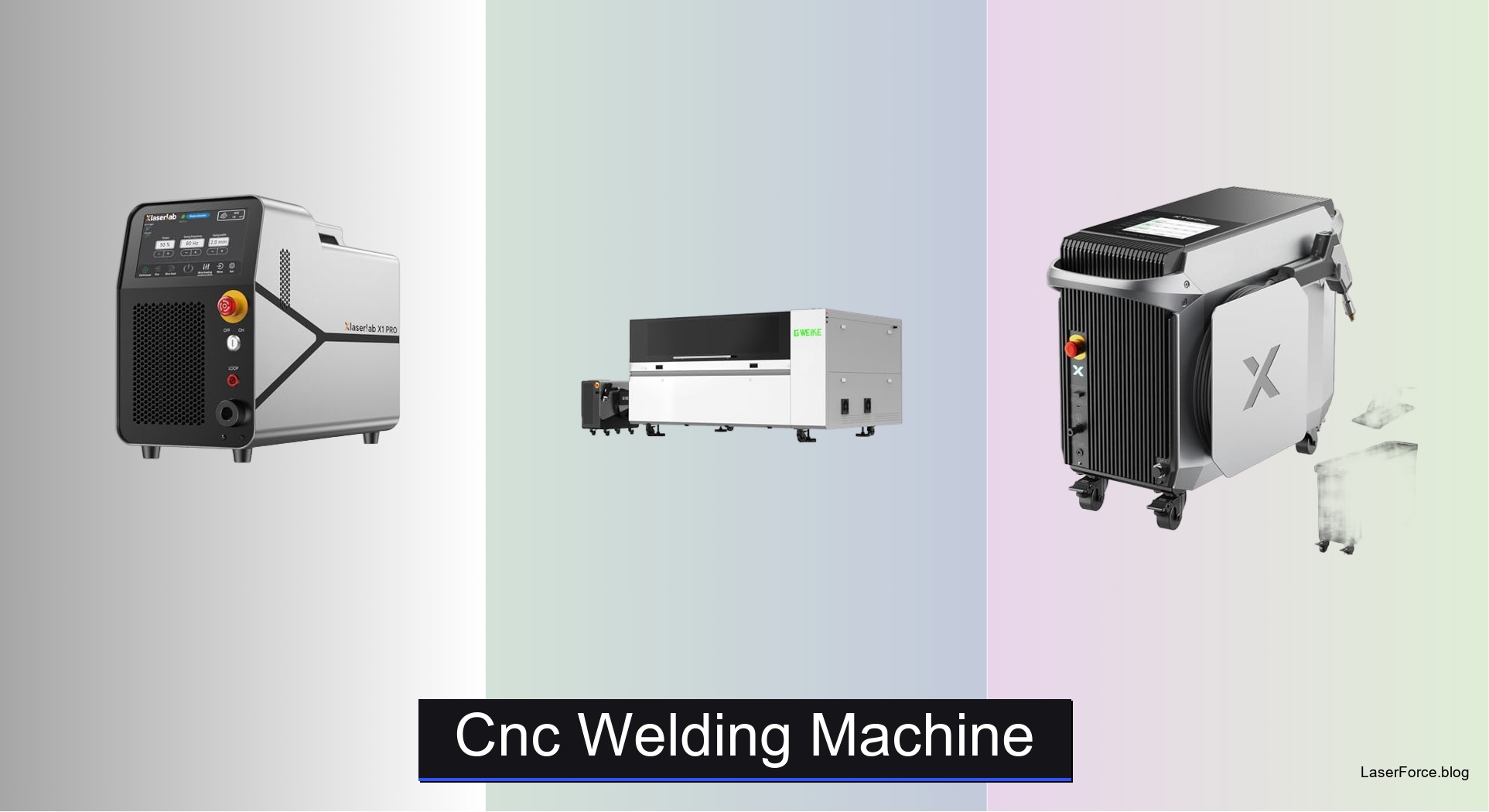
XLASERLAB X1pro 700W Laser Welder
Best Overall
GWEIKE M3 Ultra 6-in-1 Laser Welder
Best Mid-Range Laser Welder
xTool MetalFab 800W 3-in-1 Laser Welder
Best Compact CNC Spot Welder
Pulse Argon Welding Machine 100W Spot Welder
Best Multi-Mode Spot Welder
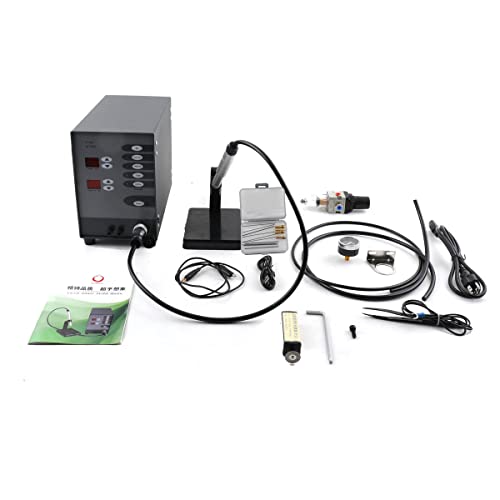
Automatic Spot Welder Auto CNC Kit
Best Budget Friendly
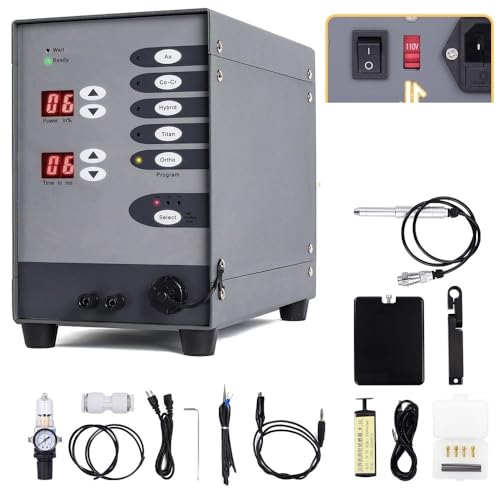
Jewelry Welder 110V CNC Spot Welder
Best Metal Fabrication CNC
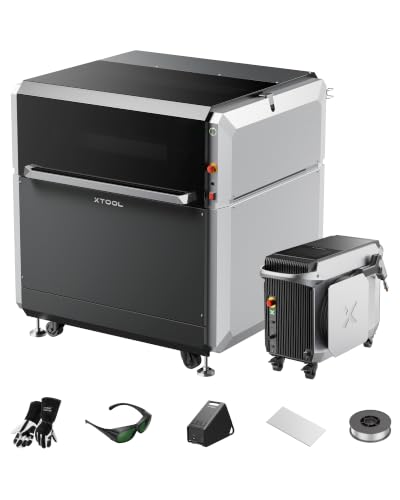
xTool MetalFab 1200W 4-in-1 Laser Welder
Cnc Welding Machine Review
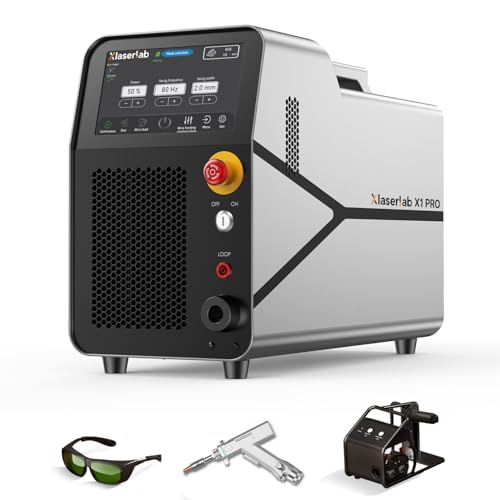
BEST PORTABLE LASER WELDER
XLASERLAB X1pro 700W Laser Welder
CREDIT: AMAZON
PROS

6-in-1 versatility
Underwater welding
Preset packages
Low noise
CONS

3mm thickness cap
Smaller display
Hefty 19 kg build
Pack a six-function workshop into a 19 kg frame and the XLASERLAB X1 Pro starts to feel like a secret weapon. This 6-in-1 laser welder covers CNC retrofit work, underwater welding, precision cutting, rust removal, and seam cleaning, all controlled from a 7-inch smart touchscreen. For fabricators tired of hauling separate tools to every job site, it offers a surprisingly compact answer to a crowded workshop.
Thin sheet metal is where this unit shines, with a 0.5 mm to 3 mm working range that keeps the heat-affected zone tight and reduces warping on delicate panels. The external wire feeder keeps filler supply steady through long seams, while the waterproof welding head can be submerged for underwater repairs without the shock risk of conventional methods. Plate thicker than 3 mm falls outside its comfort zone, so structural frames will need a different machine. Built-in packages for aluminum, stainless, and copper do much of the setup thinking, and the gun stores three custom presets for quick switching between projects.
Measured against the xTool MetalFab 800W, the X1 Pro trades thickness capacity for versatility, since the MetalFab handles 5 mm welds on a larger 8-inch display. The X1 Pro suits mobile repair crews, marine technicians, and serious DIYers who need underwater capability in a unit that stays under 20 kg. Hobbyists working on thin stainless enclosures, bike frames, or boat fittings will appreciate its precision and low noise. Compared with the GWEIKE M3 Ultra, the X1 Pro offers a more budget-minded entry into specialty laser work, while the GWEIKE delivers far heavier industrial output.
| Power | Weight | Thickness Range | Operating Temperature |
|---|---|---|---|
| 700W | 19 kg (41.89 lbs) | 0.5 mm to 3 mm | -4°F to 104°F |
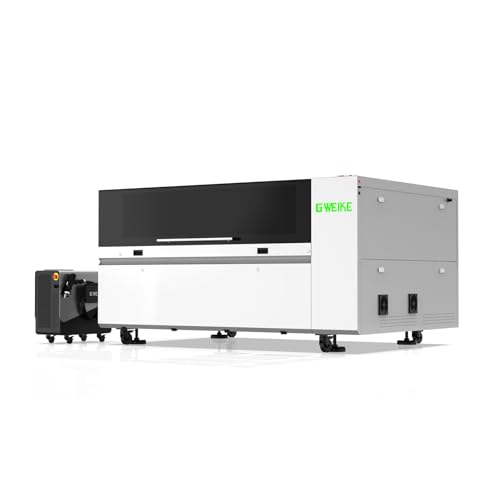
BEST OVERALL
GWEIKE M3 Ultra 6-in-1 Laser Welder
CREDIT: AMAZON
PROS
Dual-laser versatility
Large work area
Precision positioning
Laser cleaning
CONS
Large footprint
Steeper learning curve
Class 4 hazard
Think of the GWEIKE M3 Ultra as an entire metal and materials shop rolled into one 1380 x 920 mm gantry. Its 1200W fiber laser cuts 10 mm carbon steel and welds up to 5 mm, while a 130W CO2 laser handles wood, acrylic, and leather without swapping hardware. For job shops that juggle metal fabrication alongside signage or custom gifts, that dual-source setup removes a lot of changeover headaches.
Cutting speeds reach 500 to 600 mm/s, and engraving climbs to 800 mm/s, so full sheets move through quickly without sacrificing edge quality. The ±0.03 mm positioning accuracy and ±0.01 mm repeatability suit small-batch prototypes where tolerances matter. Spot, pulse, and continuous welding modes add flexibility, and the laser cleaning function strips paint and oxidation without abrasives. The tradeoff is size, since this gantry demands a dedicated floor position and the Class 4 enclosure calls for disciplined safety habits.
Next to the xTool MetalFab 1200W, the GWEIKE leans toward large-format cutting and multi-material engraving, while the xTool focuses on a compact 610 x 610 mm bed with automated nesting. Shops that mostly process sheet metal but need wood or acrylic work on the side will find the M3 Ultra more complete. Solo fabricators with limited floor space may prefer the xTool’s smaller footprint and simpler workflow. Compared with the xTool MetalFab 800W, the GWEIKE brings a far broader toolkit and higher cutting power, which makes it a stronger all-in-one platform than the welding-first xTool.
| Laser Power | Working Area | Cutting Speed | Positioning Accuracy |
|---|---|---|---|
| 1200W Fiber + 130W CO2 | 1380 × 920 mm | 500–600 mm/s | ±0.03 mm |
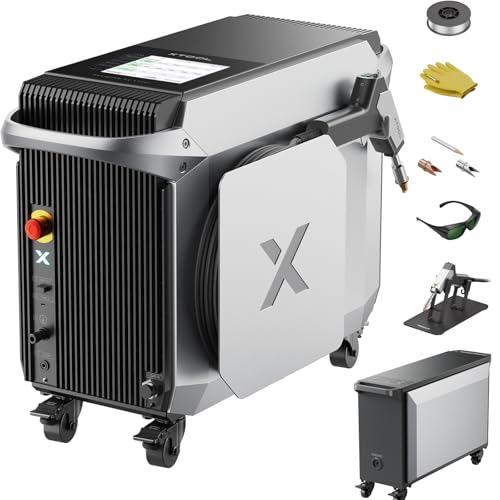
BEST MID-RANGE LASER WELDER
xTool MetalFab 800W 3-in-1 Laser Welder
CREDIT: AMAZON
PROS
108 presets
45mm cleaning
Automatic wire feeding
Contact safety
CONS
5mm cutting cap
Upgrade needed
If you have ever stared at a TIG torch wondering why nothing looks right, the xTool MetalFab 800W feels like a relief. This 3-in-1 fiber system welds, cuts up to 5 mm, and cleans with a 45 mm wide cleaning head that covers surfaces far faster than narrow nozzles. Its 8-inch touchscreen holds over 108 preloaded material parameters, so a beginner can dial in a clean stainless seam within the first session.
Real-world welding feels strong on 5 mm stainless and carbon steel, with deep penetration and automatic wire feeding doing much of the heavy lifting. The minimal heat-affected zone keeps thin panels from warping, which matters on enclosures and brackets where distortion ruins fit. Cleaning passes are where this unit feels especially efficient, stripping rust and paint from larger surfaces in fewer strokes. Cutting tops out at 5 mm, and automated CNC cutting requires an upgrade path, so heavier fabrication needs a different plan.
Stacked against the xTool MetalFab 1200W, the 800W model gives up 10 mm carbon steel cutting and the automated bed, which makes it a more focused welding-first choice. Repair shops, auto body technicians, and hobbyists who mostly join metal will appreciate its simpler workflow. It also offers a more approachable entry point than the GWEIKE M3 Ultra, which packs in CO2 engraving and a massive gantry. Measured against the GWEIKE M3 Ultra, it sits at a more accessible value point while still delivering SGS-certified weld quality and industrial-grade reliability.
| Laser Power | Max Weld Thickness | Max Cut Thickness | Cleaning Width |
|---|---|---|---|
| 800W | 5mm | 5mm | 45mm |
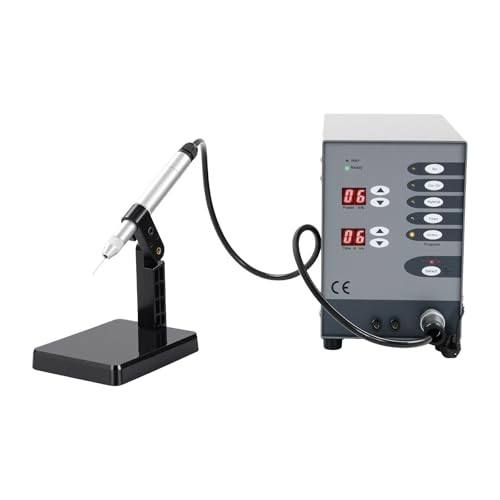
BEST COMPACT CNC SPOT WELDER
Pulse Argon Welding Machine 100W Spot Welder
CREDIT: AMAZON
PROS
Dual LCD
Built-in workbench
Compact footprint
Aluminum housing
CONS
Assembly required
Argon supply needed
1Hz frequency cap
Delicate work demands a tool that behaves like a surgeon, and the Pulse Argon Welding Machine 100W aims squarely at that job. Its adjustable pulse time from 3ms to 30ms and current range from 50A to 600A let jewelers switch between gold bands and titanium dental components without hunting for new settings. The dual LCD screens display time and power separately, which removes guesswork during tight repairs.
Small deep holes and internal corners are where this compact spot welder feels most at home, since the pen reaches spots that bulkier torches cannot. The built-in workbench cradles the gun between passes, and the four anti-slip feet keep the unit planted on a cluttered bench. With a maximum frequency of 1Hz and argon draw of 5 L/min, it works best in short, deliberate bursts rather than production runs. The aluminum housing with IP21 protection handles dust and light splashes, though it is not built for wet workshop conditions.
Against the Automatic Spot Welder Auto CNC kit, this model feels like a dedicated compact bench tool, while the kit offers five specialized modes for mixed-material jobs. Home jewelers repairing a single metal type will appreciate the uncluttered control panel here. Dental labs and multi-material studios may prefer the broader mode selection on the larger kit. In overall feature balance, this unit delivers a more refined repair experience than the Jewelry Welder 110V 60HZ, though that model holds a stronger budget appeal.
| Power | Welding Current | Welding Time | Output Voltage |
|---|---|---|---|
| 100W | 50A-600A | 3ms-30ms | 40V |
BEST MULTI-MODE SPOT WELDER
Automatic Spot Welder Auto CNC Kit
CREDIT: AMAZON
PROS
Five modes
Copper conductivity
Multiple protections
CONS
Sparse specifications
Heavier iron shell
A kit that promises five modes in one box sounds almost too convenient, yet this Auto CNC spot welder kit delivers that range. Gold welding, cobalt chromium alloy welding, mixed material jobs, pure titanium, and orthodontic modes all live on one control panel. For dental technicians and jewelers juggling different alloys each day, that five-mode versatility saves a surprising amount of setup time.
The kit feels confident on mixed-metal workpieces, thanks to copper wire conductivity that transfers heat efficiently and a spray-painted iron shell that holds up to bench wear. Protection features such as automatic voltage compensation, over-current, overload, and over-temperature safeguards add peace of mind during longer sessions. The iron housing does add heft compared with aluminum alternatives, and the listing offers few hard numbers on current or pulse timing. Buyers who need exact specifications should confirm details with the seller before ordering.
Compared with the Pulse Argon Welding Machine 100W, this kit trades the dual LCD clarity and compact bench design for broader alloy coverage. Dental studios and orthodontic labs will appreciate the dedicated orthodontic mode, while hobbyists focused on a single metal may find the simpler unit easier to live with. This kit suits multi-material repair shops and small production teams who value flexibility over minimalism. Compared with the Jewelry Welder 110V 60HZ, it offers far more application breadth for a similar investment, although that model remains the sharper choice for a leaner setup.
| Welding Type | Modes | Shell Material | Wire Material |
|---|---|---|---|
| Pulse Argon Arc | 5 in 1 | Sprayed Iron | Copper |
BEST BUDGET FRIENDLY
Jewelry Welder 110V CNC Spot Welder
CREDIT: AMAZON
PROS
Touch control
CNC auto
Multi-material
CONS
Unverified laser claims
Limited thick repairs
Budget shoppers often assume cheap welders cut corners, but this touch-controlled jewelry welder works hard to prove otherwise. Its CNC auto control system locks in consistent results with 3ms to 30ms pulse durations and a 50A to 600A current range. For eyeglass repairers and small jewelry studios, that repeatable precision matters more than flashy styling.
Pulse argon technology keeps heat tightly focused, so surrounding areas on a delicate pendant or spectacle hinge stay cool enough to avoid distortion. The unit handles gold, silver, stainless steel, titanium, and dental alloys, which covers most bench work without constant reconfiguration. The claims of laser-like results deserve a healthy dose of skepticism, since pulse arc behavior differs from true laser optics. Heavy repairs on thick components push the unit beyond its sweet spot, so reserve it for fine, detail-oriented jobs.
Compared with the Pulse Argon Welding Machine 100W, this jewelry welder focuses on value and multi-material coverage rather than dual LCD readouts and a built-in workbench. Eyeglass technicians and independent jewelers who need a reliable spot welder without a large investment will find it sensible. Studios that need extra modes for dental and orthodontic work will be better served by a broader kit. Compared with the Automatic Spot Welder Auto CNC kit, this model is the more economical option, while the kit leads clearly on features and mode variety.
| Voltage | Frequency | Current Range | Pulse Duration |
|---|---|---|---|
| 110V | 60Hz | 50A to 600A | 3ms to 30ms |
BEST METAL FABRICATION CNC
xTool MetalFab 1200W 4-in-1 Laser Welder
CREDIT: AMAZON
PROS
4-in-1 system
SaveGas technology
Smart nesting
CONS
Demanding safety protocols
Feature-heavy interface
The listing promises to turn week-long fabrication projects into one-hour runs, and the xTool MetalFab 1200W makes a strong case for that claim. This 4-in-1 CNC metal workshop welds, cuts, cleans, and engraves from a single frame. Its 1200W fiber laser slices 10 mm carbon steel and 5 mm stainless, while the 610 x 610 mm bed gives enough room for sizable sheets. For fabricators who hate juggling separate machines, this consolidation is the real selling point.
Dual cameras and VibeFreeCut technology keep positioning sharp, with deviation below 0.1 mm and burr-free edges on cut parts. Cutting speed reaches 400 mm/s, and one-click access to 108+ presets shortens job setup considerably. The SaveGas airflow optimization targets up to 50% less gas use, while one-click smart nesting reaches 98.7% material utilization, which trims scrap on expensive plate. Heavy daily use still demands strict safety discipline, since this Class 4 system outputs a laser power of 1,200,000 mW.
Compared with the xTool MetalFab 800W, the 1200W model adds a full CNC cutting bed and higher thickness capacity, making it the stronger choice for production shops. The 800W version suits welding-first repair work where cutting depth matters less. Against the GWEIKE M3 Ultra, the xTool keeps the footprint smaller and the workflow simpler, though the GWEIKE offers broader CO2 engraving and a larger gantry. Compared with the GWEIKE M3 Ultra, it delivers a more streamlined fabrication experience at a similar value tier, while the GWEIKE counters with a wider material range.
| Laser Power | Cutting Speed | Bed Size | Welding Depth |
|---|---|---|---|
| 1200W fiber | 400 mm/s | 610mm x 610mm | 5mm stainless steel |
How to Choose the Right CNC Welding Machine
Start by matching the machine’s welding technology to the work you plan to do. Fiber laser welders suit industrial fabrication and thicker metal, while pulse argon spot welders suit fine jewelry, dental, and small repair work.
Key Features to Compare
- Welding technology: Laser systems deliver fast, clean seams with a small heat-affected zone, which helps prevent warping on thin sheets. Pulse argon systems cost less to run and give pinpoint control on delicate parts.
- Power and thickness capacity: Check the wattage and the maximum thickness it can weld. A 1200W fiber laser such as the GWEIKE M3 Ultra or xTool MetalFab 1200W handles up to 5 mm welds and 10 mm cutting, which fits heavier fabrication. A 700W or 800W unit, like the XLASERLAB X1pro or xTool MetalFab 800W, covers most workshop jobs with lower cost.
- CNC work area and accuracy: A larger bed lets you process full sheets without repositioning. Look for positioning accuracy and repeatability specs, such as ±0.03 mm, if you need consistent results across batches.
- Multi-process versatility: Systems that combine welding, cutting, rust removal, and engraving can replace several machines. This saves floor space and money, but confirm that each function performs well enough for your needs.
- Safety and support: Class 4 lasers need enclosures, interlocks, and contact-activated safety features. Also check warranty length, local support, and whether setup assistance is included.
Other Factors to Consider
- Portability: Lightweight models around 19 kg suit on-site repair, while heavier gantry systems stay in one workshop.
- Ease of use: Touchscreens with built-in material presets reduce trial and error for beginners.
- Budget: Pulse argon spot welders are the most affordable entry point. Multi-process laser systems cost more upfront but can lower long-term gas, waste, and labor costs.
- Electrical requirements: Confirm voltage compatibility, such as 110V or 100–240V, before buying.
Choose based on your main application first, then compare power, work area, and support to find the best fit for your budget and workload.
CNC Welding Machine Comparison: Key Features at a Glance
| Product | Best For | Welding Technology | Key Functions | Max Weld Thickness | Cutting Capability / Work Area | Special Features |
|---|---|---|---|---|---|---|
| GWEIKE M3 Ultra 6-in-1 Laser Welder | Best Overall | 1200W fiber laser + 130W CO2 laser | 6-in-1: laser welding, CNC metal cutting, laser cleaning, rust removal, CO2 engraving, CO2 cutting | Up to 5 mm | Up to 10 mm carbon steel; 1380 × 920 mm work area | ±0.03 mm positioning accuracy; fully enclosed Class 4 safety structure |
| xTool MetalFab 1200W 4-in-1 Laser Welder | Best Metal Fabrication CNC | 1200W fiber laser (Coherent chips) | 4-in-1: welding, CNC cutting, laser cleaning, laser engraving | Up to 5 mm (stainless and carbon steel) | Up to 10 mm carbon steel, 5 mm stainless; 610 × 610 mm bed | 8″ touchscreen with 108+ presets; SaveGas reduces gas use by up to 50%; 10,000+ hour rating |
| XLASERLAB X1pro 700W Laser Welder | Best Portable Laser Welder | 700W laser (Coherent chips) with external wire feeder | 6-in-1: CNC retrofit, underwater welding, laser welding, precision cutting, rust removal, seam cleaning | Handles 0.5 mm to 3 mm materials | Not specified; weighs 19 kg (41.89 lbs) | Portable design; 7″ touchscreen; waterproof welding head; 1-year laser source warranty |
| Jewelry Welder 110V CNC Spot Welder | Best Budget Friendly | Pulse argon arc | Spot welding for gold, silver, stainless steel, titanium, dental alloys | Not specified | No cutting function | CNC auto control; 3–30 ms pulse duration; 50–600A current range |
| xTool MetalFab 800W 3-in-1 Laser Welder | Best Mid-Range Laser Welder | 800W fiber laser (Coherent chips) | 3-in-1: welding, metal cutting, laser cleaning (45 mm head); CNC upgrade available | Up to 5 mm (stainless and carbon steel) | Up to 5 mm cutting | 8″ touchscreen with 108+ presets; automatic wire feeding; 10,000+ hour lifespan |
| Pulse Argon Welding Machine 100W Spot Welder | Best Compact CNC Spot Welder | 100W pulse argon arc | Spot welding for jewelry, gold, silver, titanium, dentures, DIY repair | Not specified | No cutting function; 11.02 × 6.1 × 9.25 in footprint | Dual LCD screens; built-in workbench; IP21 protection; 3–30 ms adjustable time; 50–600A current |
| Automatic Spot Welder Auto CNC Kit | Best Multi-Mode Spot Welder | Pulse argon arc | 5 modes: gold, cobalt-chromium, mixed, pure titanium, orthodontic welding | Not specified | No cutting function | Automatic voltage compensation; over-current, overload, and over-temperature protection |
How We Test CNC Welding Machines
To evaluate CNC welding machines objectively, we analyze manufacturer specifications against real-world performance benchmarks. Our team compares welding technologies—fiber laser versus pulse argon spot—across key metrics including weld quality, heat-affected zone width, and seam consistency on materials ranging from thin sheet metal to thicker fabrication stock.
We review independent lab tests and industry research to verify power output claims, measuring actual wattage and penetration depth on standardized joints. Positioning accuracy and repeatability are tested across multiple batches to confirm whether machines deliver the advertised ±0.03 mm tolerance under continuous operation.
For multi-process CNC welding machines, we assess versatility by running welding, cutting, and engraving cycles on identical workpieces, comparing edge quality and cycle times. Cost-per-weld calculations factor in gas consumption, material waste, and energy usage across prolonged runs.
Safety compliance is verified through certification checks (CE, FDA, IEC 60825) and inspection of enclosure interlocks and protective features. Software usability is evaluated through interface responsiveness and built-in material preset accuracy.
We also cross-reference long-term reliability data, warranty coverage, and available aftermarket support to ensure each CNC welding machine recommendation reflects both immediate performance and sustained value over time.
FAQs
What is the difference between a CNC laser welding machine and a pulse argon spot welder?
A CNC laser welding machine uses a fiber laser to make fast, clean seams with a small heat-affected zone, which suits industrial fabrication and thicker metal. A pulse argon spot welder costs less to run and offers precise control for delicate work like jewelry, dental parts, and small repairs.
How thick of metal can a CNC welding machine weld?
Maximum weld thickness depends on wattage. A 1200W fiber laser CNC welding machine, such as the GWEIKE M3 Ultra or xTool MetalFab 1200W, welds up to 5 mm. A 700W or 800W model, such as the XLASERLAB X1pro or xTool MetalFab 800W, is better suited to most workshop jobs with thinner materials.
Is a CNC welding machine safe to use?
Yes, when it has the right safety features. Class 4 laser welders need fully enclosed structures, interlocks, and contact-activated safety functions. Check for these features, along with certifications and warranty coverage, before buying.
Final Thoughts
Choosing the right CNC welding machine starts with your main application, from industrial fiber laser fabrication to precise pulse argon spot work. Then compare power, work area, accuracy, and safety features. Warranty and local support matter over the long run.
Matching the machine to your workload delivers cleaner welds, lower operating costs, and fewer headaches. Take time to weigh your budget against features, and your investment will pay off for years.