How Laser Dentistry Works: Procedure & Benefits
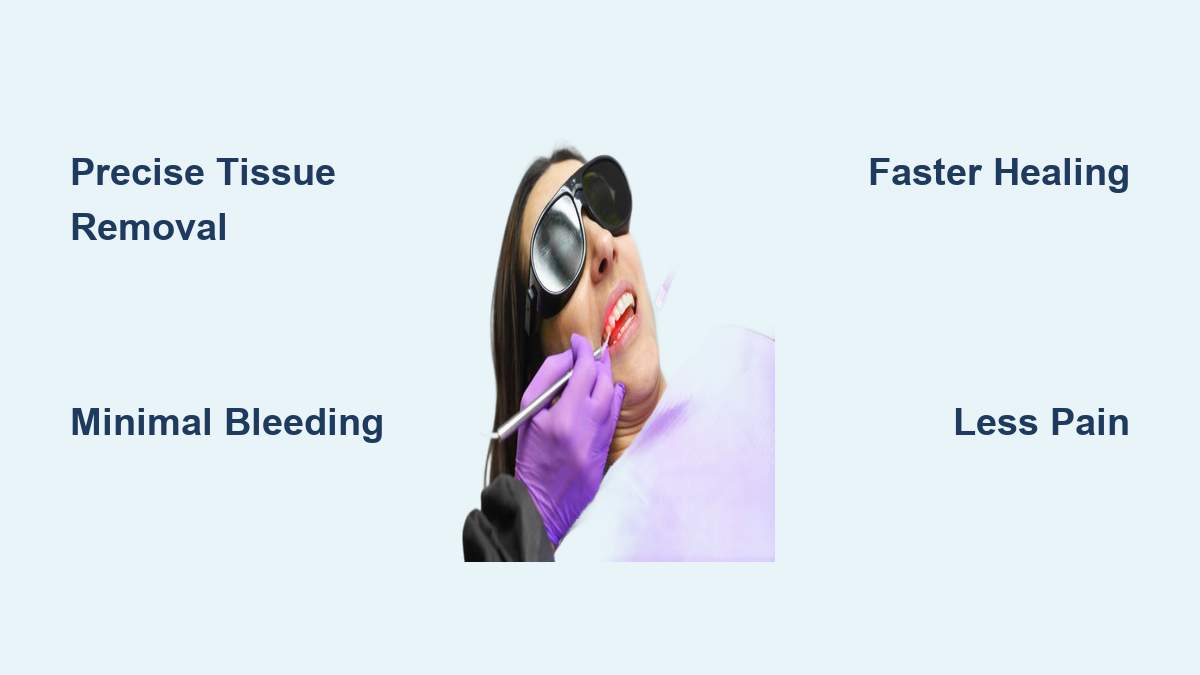
If you have ever cringed at the sound of a dental drill or dreaded post-procedure pain, laser dentistry might sound like science fiction come to life. But it is very real and increasingly common in modern dental offices. This innovative approach uses focused beams of light to treat a variety of oral health conditions with remarkable precision, less discomfort, and faster healing. So, how does laser dentistry work? At its core, it relies on concentrated light energy that interacts with oral tissues to cut, vaporize, or stimulate them, depending on the wavelength and power used.
Unlike traditional tools that rely on mechanical force, lasers use light amplification by stimulated emission of radiation to deliver energy in a controlled way. When this light hits tissue, it is absorbed by water, hemoglobin, or minerals in teeth, generating heat that precisely removes or modifies the target area while leaving surrounding tissue intact. In this guide, you will discover the science behind laser dentistry, the types of lasers used, what procedures they can perform, and why more patients are choosing this minimally invasive option.
Laser-Tissue Interaction Explained
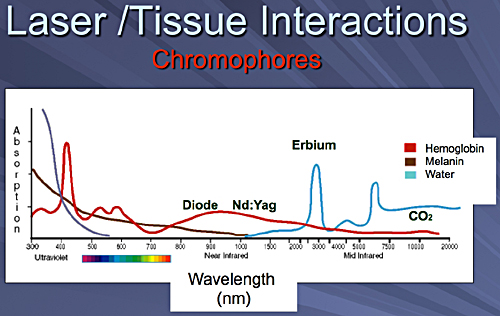
The effectiveness of laser dentistry hinges on how light energy interacts with different oral tissues. This interaction is not random. It is based on wavelength-specific absorption, meaning different tissues absorb light best at certain wavelengths, which determines which laser is used for which procedure.
Why Wavelength Matters
Dental lasers emit light at precise wavelengths measured in nanometers. These wavelengths are chosen because they match the absorption peaks of key components in oral tissue.
Key absorption targets include:
- Water found in all soft tissues absorbs mid-infrared light
- Hydroxyapatite, the main mineral in enamel and dentin, absorbs near-infrared light
- Hemoglobin, the oxygen-carrying protein in blood, absorbs visible to near-infrared light
When the laser beam strikes tissue, its energy is absorbed and converted into heat. This causes intracellular water to vaporize, creating micro-explosions that gently disrupt cells, allowing for clean, precise removal without crushing or tearing. For example, a 2,940 nm Er:YAG laser is strongly absorbed by water and hydroxyapatite, making it ideal for cutting tooth structure. An 810 nm diode laser targets hemoglobin and melanin, perfect for gum surgery. By matching the laser type to the tissue, dentists achieve selective ablation, meaning only the intended tissue is affected.
Thermal Effects and Clinical Outcomes
The heat generated during laser exposure leads to several beneficial effects that improve clinical outcomes.
| Effect | Clinical Benefit |
|---|---|
| Ablation | Removes decayed or diseased tissue precisely |
| Coagulation | Seals blood vessels, reducing bleeding |
| Sterilization | Kills bacteria in the treatment zone |
| Biostimulation | Enhances cell activity for faster healing |
These thermal interactions allow dentists to perform procedures with minimal bleeding, reduced infection risk, and less post-op pain. Because the laser simultaneously cuts and seals, many soft tissue surgeries require no sutures. Still, temperature control is critical. Excessive heat can damage healthy tissue or irritate the tooth pulp. That is why modern dental lasers use pulsed modes, brief bursts of energy followed by cooling periods, to maintain safety and precision.
Types of Dental Lasers Used Today
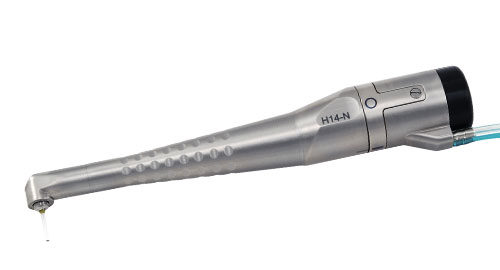
Not all lasers are the same. In dentistry, devices are categorized based on their target tissue, hard teeth and bone or soft gums and mucosa. Each type operates at specific wavelengths and serves distinct clinical purposes.
Hard Tissue Lasers for Teeth and Bone
These lasers are designed to safely cut through enamel, dentin, and even bone. They work by targeting both water and hydroxyapatite, the primary building blocks of hard dental structures.
Er:YAG Lasers 2,940 nm
The erbium-doped yttrium aluminum garnet laser is the gold standard for hard tissue procedures. Its wavelength aligns perfectly with water absorption peak, making it highly efficient at removing decay while preserving healthy tooth structure.
Common uses for Er:YAG lasers include:
- Removing cavities
- Preparing teeth for fillings
- Treating tooth sensitivity
- Minor bone reshaping
One major advantage is that Er:YAG lasers often eliminate the need for anesthesia in shallow cavities because they produce no vibration and minimal heat.
Er,Cr:YSGG Lasers 2,780 nm
The erbium, chromium: yttrium-scandium-gallium-garnet laser operates slightly below Er:YAG but still targets water and hydroxyapatite effectively. It is known for smoother cutting and enhanced patient comfort.
Key benefits of this laser type include:
- Reduced thermal buildup
- Improved hemostasis in mixed tissue areas
- Effective for both hard and some soft tissue applications
Both erbium lasers allow for minimally invasive dentistry, meaning less healthy tooth is removed during cavity prep, preserving strength and longevity.
Soft Tissue Lasers for Gums and Mucosa
Soft tissue lasers are optimized for procedures involving gums, lips, and other soft oral structures. They primarily absorb into hemoglobin and water, enabling precise incisions with immediate coagulation.
Diode Lasers 800 to 980 nm
Compact and affordable, diode lasers are the most widely used soft tissue lasers in general dental practices.
Typical applications for diode lasers include:
- Gum contouring
- Frenectomies, tongue-tie release
- Periodontal pocket disinfection
- Biopsy of small lesions
Advantages of diode lasers include:
- Portable design
- Low maintenance
- Minimal discomfort
- Often suture-free results
Patients frequently report little to no bleeding and faster recovery after diode laser procedures.
CO₂ Lasers 10,600 nm
The carbon dioxide laser emits a high-energy beam that is extremely well-absorbed by water, making it ideal for cutting and sealing soft tissue with exceptional precision.
Strengths of CO₂ lasers include:
- Superior cutting accuracy
- Excellent hemostasis
- Minimal collateral damage
CO₂ lasers are often used in more advanced periodontal and surgical cases, though they require more training and protective measures due to their power.
Common Procedures Done with Lasers
Laser dentistry is not just for show. It is used in real, everyday treatments across preventive, restorative, cosmetic, and therapeutic dentistry.
Cavity Detection and Removal
One of the most impactful uses of hard tissue lasers is in early caries detection and removal. Traditional drills often remove large portions of tooth structure, but lasers allow for selective ablation of only the decayed part.
How cavity removal with lasers works:
- The dentist scans the tooth surface using laser fluorescence
- Areas with altered mineral content emit different light signals indicating early decay
- The Er:YAG laser precisely removes demineralized tissue without damaging healthy enamel
The result is smaller fillings, stronger teeth, and no drill noise, a win-win for patients.
Gum Reshaping and Smile Enhancement
A gummy smile or uneven gum line can be corrected painlessly with soft tissue lasers.
Procedure steps for gum reshaping:
- The dentist marks the desired gum contour
- Using a diode or CO₂ laser, excess tissue is removed
- The laser simultaneously seals blood vessels, minimizing bleeding
Benefits of this procedure include immediate visible results, no scalpel or sutures, and healing in just a few days. This procedure, known as gingivectomy or crown lengthening, boosts confidence and improves aesthetics with minimal downtime.
Periodontal Therapy Without Surgery
Lasers have revolutionized gum disease treatment. Instead of deep cleaning with manual scaling, lasers can decontaminate periodontal pockets and promote tissue reattachment.
Common protocol for laser periodontal therapy:
- A laser fiber is inserted below the gumline
- It targets diseased tissue and bacteria without harming healthy connective tissue
- The laser stimulates healing and clot formation
Outcomes include reduced pocket depth, less bleeding and inflammation, and faster recovery than traditional flap surgery. Many patients avoid surgery altogether thanks to laser-assisted periodontal therapy.
Frenectomy for Tongue-Tie Release
A tight lingual or labial frenum can restrict speech, breastfeeding, or oral hygiene. Laser frenectomy offers a quick, bloodless solution, especially in infants and children.
Why lasers excel for this procedure:
- No stitches needed
- Minimal discomfort
- Immediate functional improvement
- Lower infection risk
Performed in minutes, this procedure can transform feeding and speech development with virtually no recovery time.
Teeth Whitening Acceleration
In-office bleaching gets a boost from lasers. While the laser does not whiten teeth on its own, it activates peroxide-based gels to speed up the oxidation process.
Process for laser teeth whitening:
- A whitening gel, hydrogen peroxide, is applied to teeth
- A laser or LED light is directed at the teeth for 15 to 30 minutes
- Light energy accelerates breakdown of stain-causing molecules
The result is noticeable whitening in a single visit, up to 6 to 8 shades lighter.
Therapeutic Uses Beyond Surgery
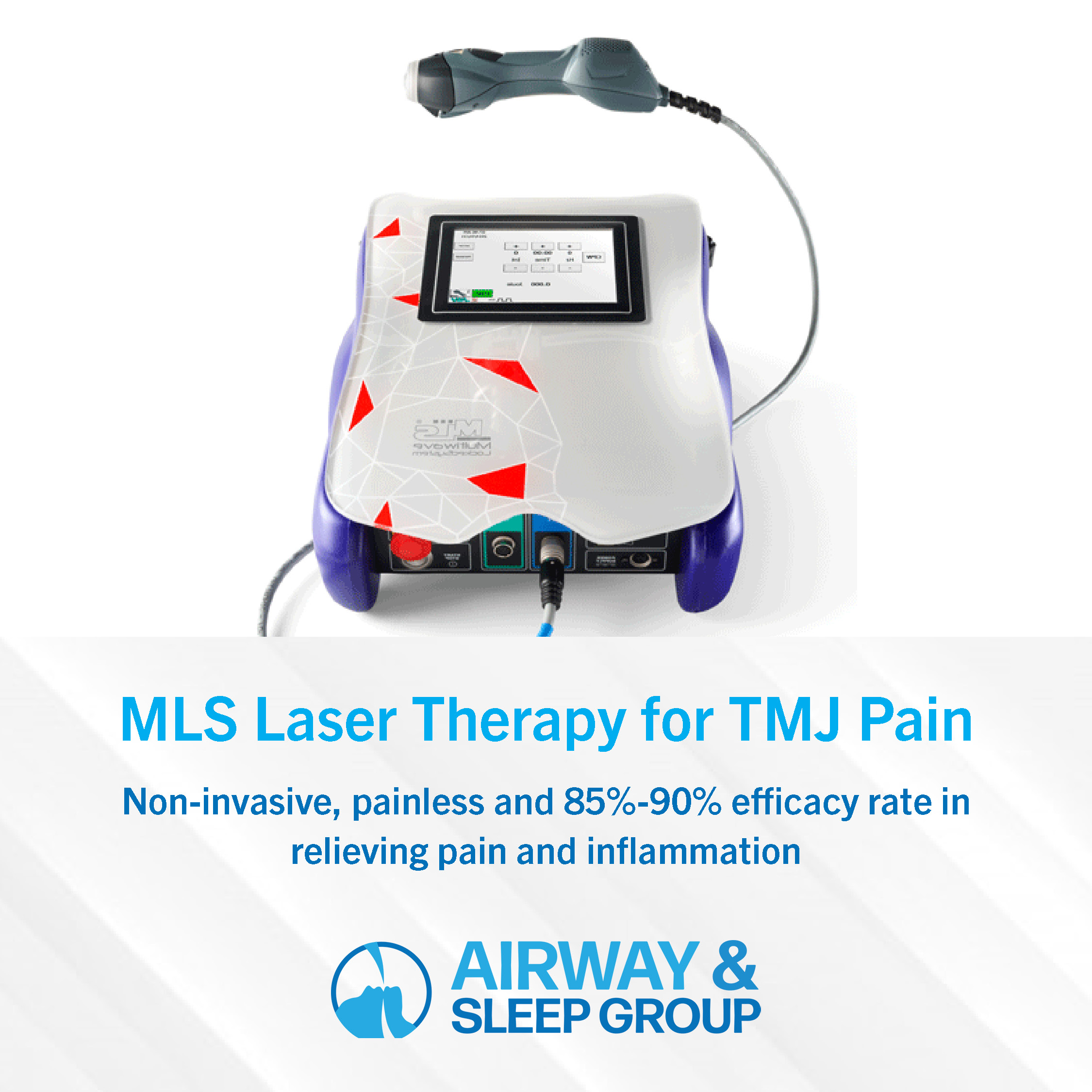
Not all laser applications involve cutting. Some use low-level laser therapy, also called photobiomodulation, to heal rather than remove tissue.
Pain Relief and Inflammation Reduction
LLLT uses low-intensity light, typically red or near-infrared, to stimulate cellular energy production. This enhances mitochondrial function, reducing pain and swelling.
Conditions treated with LLLT include:
- TMJ disorders, decreasing muscle tension and joint pain
- Oral ulcers, speeding healing of canker sores
- Post-extraction pain, reducing discomfort and dry socket risk
- Nerve injuries, promoting regeneration after trauma
Patients often feel immediate relief after a 5 to 10 minute session.
Faster Healing After Dental Work
After implants, extractions, or surgery, lasers can be used post-op to accelerate tissue repair.
How laser therapy helps healing:
- Increases blood flow to the area
- Stimulates fibroblast and osteoblast activity
- Reduces inflammation and edema
This means less swelling, quicker return to normal function, and lower complication rates.
Benefits Patients Actually Notice
It is one thing to list technical advantages, but what do patients actually experience?
Less Pain, Less Anxiety
No drill. No vibration. No high-pitched whine. That alone makes laser dentistry a game-changer for anxious patients and children. Many soft tissue procedures require no anesthesia, and even cavity prep often needs only a fraction of the usual numbing.
Minimal Bleeding and Swelling
Because lasers seal blood vessels as they cut, procedures like gum reshaping or biopsies result in almost no bleeding. This gives dentists a clearer view and reduces post-op complications.
Quicker Recovery Times
Healing is faster due to sterilization of the surgical site, preservation of healthy tissue, and biostimulatory effects on cells. Most patients resume normal eating and speaking within 24 to 48 hours after soft tissue procedures.
Fewer Sutures and Fewer Infections
The coagulating effect of lasers eliminates the need for stitches in many cases. Plus, the bactericidal action lowers infection risk, especially important for immunocompromised individuals.
Precision You Can See
Whether removing a tumor, contouring gums, or preparing a cavity, lasers offer unmatched accuracy. Healthy tissue stays untouched, and restorations fit better because tooth structure is preserved.
Limitations and Safety Considerations
Despite its many benefits, laser dentistry is not a magic wand. It has clear boundaries and risks if misused.
Not a Drill Replacement for Large Fillings
Lasers struggle with removing old metal fillings, preparing teeth for crowns, and working on heavily stained or darkened teeth. For these tasks, traditional drills remain more efficient and practical.
Requires Special Training
Using a laser is not plug-and-play. Dentists must undergo certification programs to understand appropriate power settings, pulse duration, tissue interaction, and safety protocols. Poor technique can lead to thermal damage, delayed healing, or unnecessary pain.
Eye Safety Is Critical
Laser light can cause permanent retinal injury. That is why protective eyewear is mandatory for both patient and clinician. Glasses are color-coded to block specific wavelengths, ensuring full protection.
Cost and Accessibility Issues
Laser systems are expensive, ranging from $5,000 to $60,000 or more. Not all dentists invest in them, so availability varies by location. Some insurance plans also do not cover laser procedures, leading to out-of-pocket costs.
What to Expect During a Laser Procedure
Curious about what happens during a real appointment?
Before Treatment
Before your procedure, you will be given protective goggles. The dentist will review your medical history and treatment plan. Local anesthesia may be used but often less than usual.
During the Procedure
During treatment, the handpiece looks like a pen and is moved gently over the treatment area. You might feel warmth or tingling but not sharp pain. The device makes little to no noise, just a soft clicking or humming. Most procedures take 15 to 60 minutes depending on complexity.
Aftercare Tips
Even though recovery is quick, follow these guidelines:
- Avoid spicy or crunchy foods for 2 to 3 days for soft tissue work
- Maintain gentle oral hygiene
- Use prescribed rinses if given
- Attend follow-up visits to monitor healing
Most patients report being pleasantly surprised at how easy it was.
Is Laser Dentistry Right for You
Laser dentistry is not necessary for every dental issue, but it is worth considering if you fear dental drills, want faster healing, need gum contouring or periodontal therapy, are treating TMJ pain or oral ulcers, or prefer minimally invasive options.
Questions to ask your dentist:
- Do you use lasers for my type of procedure
- What kind of laser will be used
- Will I need anesthesia
- Are there extra costs
Knowing the answers helps you decide whether laser treatment aligns with your goals and budget.
Frequently Asked Questions About Laser Dentistry
Does laser dentistry hurt
Most patients report minimal discomfort during laser procedures. The laser eliminates the vibration and pressure associated with traditional drills. Many soft tissue procedures require little to no anesthesia, and any post-procedure pain is typically less severe than with conventional surgery.
Is laser dentistry safe
Yes, laser dentistry is safe when performed by a trained and certified dentist. The FDA approved dental lasers in the 1990s, and numerous studies confirm their safety and effectiveness. Both patients and clinicians must wear protective eyewear during treatment to prevent eye damage.
How long does recovery take after laser dental work
Recovery time varies by procedure but is generally faster than traditional methods. Soft tissue procedures typically heal within 2 to 3 days, while cavity fillings may allow immediate return to normal activities. The biostimulatory effects of lasers actually accelerate healing compared to conventional techniques.
Can lasers replace traditional dental drills completely
Not entirely. While lasers excel at soft tissue procedures and early cavity detection, traditional drills remain more efficient for removing old metal fillings, preparing teeth for crowns, and working on heavily restored teeth. Most dentists use lasers as a complement to traditional tools rather than a complete replacement.
What types of dental problems can lasers treat
Lasers treat a wide range of issues including cavities and early tooth decay, gum disease and periodontal pockets, gummy smiles and uneven gum lines, tongue-tie and lip-tie releases, cold sores and canker sores, TMJ pain and inflammation, and teeth whitening. The specific laser type depends on whether the problem involves hard or soft tissue.
Does insurance cover laser dentistry
Coverage varies significantly by insurance plan. Some plans consider laser procedures cosmetic and provide no coverage, while others recognize them as valid treatments and cover part or all of the cost. It is important to check with your provider before treatment to understand your out-of-pocket responsibilities.
Final Thoughts on How Laser Dentistry Works
Laser dentistry combines precision, comfort, and advanced science to improve both clinical outcomes and patient experience. The technology works by using specific wavelengths of light that target different oral tissues, creating thermal effects that cut, seal, or stimulate tissue depending on the treatment goal. While not a universal replacement for traditional tools, lasers offer proven benefits in cavity preparation, gum surgery, pain management, and cosmetic enhancement. The key advantages patients notice are less pain, minimal bleeding, faster healing, and reduced anxiety compared to conventional dental procedures. As technology advances and adoption grows, lasers are becoming a standard part of modern, patient-centered dental care. If you want a quieter, less painful dental visit, ask your dentist whether laser treatment is right for your specific needs.