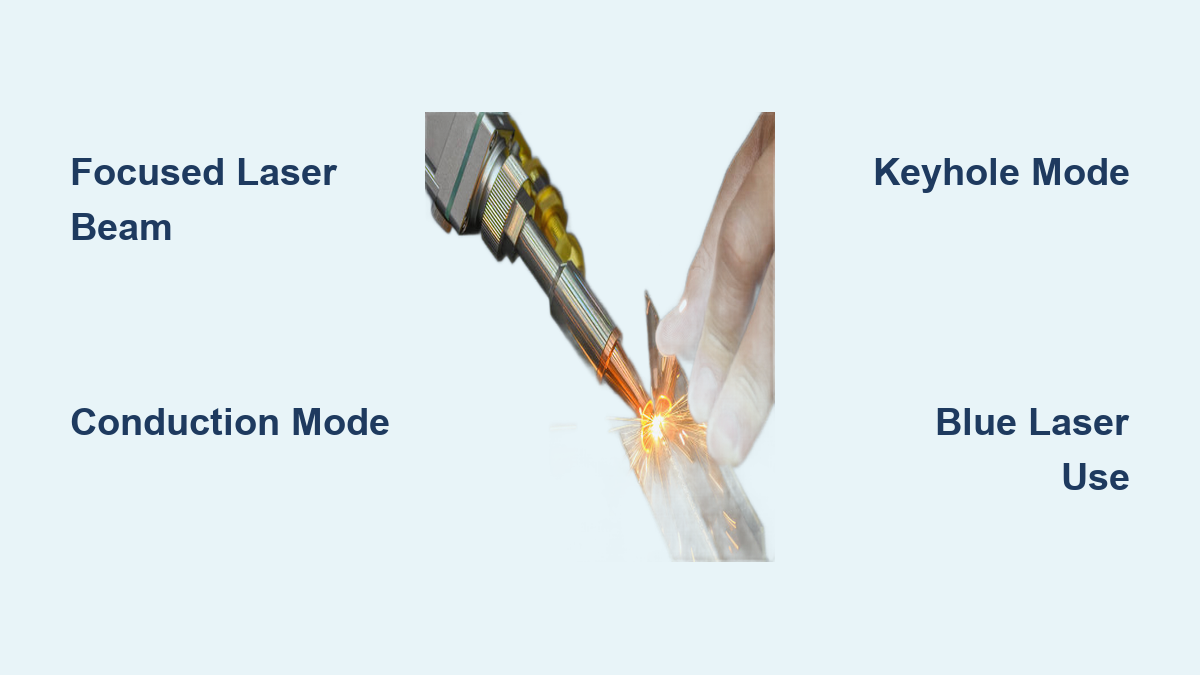
How Laser Beam Welding Works: Process Explained
Have you ever wondered how high-tech products like smartphones, electric vehicles, or aircraft components are assembled with such precision? Behind the scenes, laser beam welding (LBW) plays a critical role. This advanced joining process uses a focused beam of light to fuse materials together with unmatched accuracy and strength. Unlike traditional welding methods that rely on arcs or flames, laser beam welding delivers concentrated energy directly to the joint, minimizing heat damage and enabling clean, repeatable welds.
At its core, laser beam welding works by focusing a high-power laser onto a tiny spot where intense heat melts and fuses materials. The process can operate in two main modes: one for shallow, cosmetic welds and another for deep, structural joints. Whether sealing battery tabs in electronics or building car frames, LBW excels in applications demanding speed, precision, and minimal distortion.
Energy Source and Heat Generation
Laser beam welding relies on coherent, monochromatic light generated through stimulated emission. This light is focused precisely onto the workpiece using lenses or mirrors, delivering power densities often exceeding one million watts per square centimeter. At these levels, materials heat up so rapidly that they melt and sometimes vaporize in milliseconds.
The high energy concentration enables deep penetration with a narrow weld bead, reducing the size of the heat-affected zone and preserving the mechanical properties of surrounding material. Compared to MIG or TIG welding, laser beam welding introduces far less thermal stress, which means less warping and fewer post-weld corrections.
Laser beams are typically delivered via fiber optics for fiber lasers, mirror-based systems for CO₂ lasers, or galvanometric scanners for high-speed remote welding. Spot size can range from 0.1 mm to over 10 mm, but most precision applications use spots under 0.6 mm. Maximum penetration occurs when the focal point is slightly below the material surface, allowing optimal energy absorption within the molten pool.
Two Main Welding Modes

The behavior of the molten material depends on laser power density. There are two primary operating modes that determine how laser beam welding works in different applications.
Conduction Mode Welding
Conduction mode occurs at power densities below 100,000 W/cm² using typically under 500 watts of laser power. Heat spreads through the material by thermal conduction, creating a wide, shallow weld pool. The surface melts without significant vaporization, resulting in a smooth, aesthetically pleasing weld with a high width-to-depth ratio.
This mode works best for thin sheets under 1 mm, hermetic sealing, cosmetic welds, and electronics applications. The advantages include minimal spatter, low porosity, and clean appearance. The limitations are shallow penetration and lower strength compared to keyhole welds.
Keyhole Mode Welding
At power densities exceeding one million to ten million W/cm² with laser power over 1 kW, keyhole mode welding takes place. The laser vaporizes the metal, forming a deep, narrow cavity called a keyhole. This hole is stabilized by a balance between vapor recoil pressure pushing molten metal outward and surface tension pulling it inward.
As the beam moves, molten metal flows around the keyhole and solidifies behind it, creating a deep, narrow weld with depth-to-width ratios up to 10:1 or higher. The surface often shows a chevron pattern revealing the flow dynamics of the molten pool. This mode works best for structural joints, thick-section welding, automotive frames, and aerospace components.
Transitional Welding Mode
Between conduction and keyhole lies a transitional zone where partial keyhole formation occurs. This mode offers moderate penetration and better surface finish than full keyhole welding. It is useful when both aesthetics and strength matter, such as in visible automotive trim or consumer electronics housings.
Types of Lasers Used
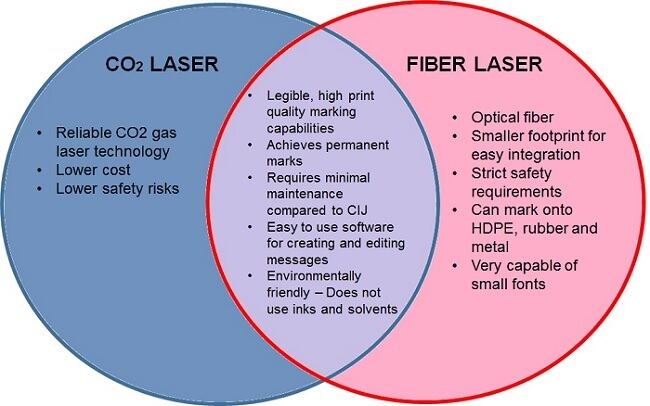
Different lasers offer unique advantages based on wavelength, efficiency, beam quality, and cost. The choice of laser directly affects how laser beam welding works for specific materials.
Fiber Laser
Fiber lasers operate at wavelengths around 1.07 µm and achieve efficiency up to 30%. They dominate modern LBW due to high beam quality, flexible fiber-optic delivery, low maintenance, and excellent performance on reflective metals like aluminum and copper. These lasers are widely used in automotive, battery manufacturing, and medical devices.
CO₂ Laser
CO₂ lasers operate at wavelengths around 10.6 µm with efficiency around 20%. An early industrial standard, these lasers require mirror-based beam delivery and are less efficient than fiber lasers. They perform well on non-reflective materials like steel and are still used in sheet metal and pipe welding. The drawbacks include higher maintenance, inability for fiber delivery, and poor absorption by copper and aluminum.
Nd:YAG Laser
Nd:YAG lasers operate at 1.064 µm with efficiency around 5%. This solid-state laser with proven reliability is used in mold repair and niche industrial applications. It can be delivered via fiber but has lower beam quality and requires lamp or diode replacement.
Disk Laser
Disk lasers operate at wavelengths around 1.03 µm with high efficiency. They offer excellent beam quality and scalable power through liquid cooling. These lasers are used in automotive and aerospace for high-power welding tasks.
Diode Laser
Diode lasers operate at 800 to 980 nm with efficiency up to 40%. They are compact and cost-effective but have poor beam quality. These lasers are best suited for conduction-mode welding, plastic joining, cladding, and hybrid processes.
Blue and Green Lasers
Blue and green lasers operate at 400 to 532 nm with absorption in copper up to 70% compared to less than 5% for infrared lasers. These shorter wavelengths dramatically improve absorption in highly reflective metals like copper and gold. They are emerging as key technologies for EV battery welding and electronic interconnects.
Beam Delivery Methods
How the laser reaches the workpiece affects speed, flexibility, and precision. Understanding delivery methods is essential to knowing how laser beam welding works in practice.
Robotic Beam Movement
The laser head is mounted on a robot arm, which follows the weld path. This method is suitable for complex 3D shapes but limited by mechanical inertia and robot speed. It is common in automotive body welding and large component assembly.
Remote Laser Welding
Uses galvanometric mirrors to steer the beam across the workpiece at high speed. The advantages include faster operation than robotic movement, no mechanical wear, high repeatability, and ideal performance for high-volume production. The robot stays stationary while only the beam moves, enabling non-contact, tool-free welding with cycle times reduced by up to 50%.
Material Absorption and Wavelength
Not all materials absorb laser light equally. The interaction depends on wavelength, surface condition, and temperature. Steel, titanium, and nickel alloys absorb near-infrared lasers well. Copper, aluminum, and gold reflect most infrared light at room temperature, making them hard to weld without special techniques.
Solutions for reflective materials include using blue or green lasers for copper, preheating with adjustable ring modes, and employing beam oscillation to stabilize the keyhole. Inside the keyhole, multiple reflections increase effective absorption even for reflective materials due to Fresnel reflection effects.
Process Steps and Workflow
A successful laser weld follows a precise sequence. Each step affects how laser beam welding works and the quality of the final joint.
Part Preparation
Surfaces must be clean, oxide-free, and tightly fitted. For aluminum, degrease to remove oils and mechanically or chemically remove the oxide layer. Contamination causes porosity, incomplete fusion, or weak joints.
Fixturing and Alignment
Use precision jigs or automated clamps to hold parts in place. Gap should be less than 0.2 mm, ideally under 0.1 mm. Misalignment leads to undercut, spatter, or lack of penetration.
Beam Focusing and Positioning
Adjust focal point based on material thickness. Surface focus provides shallow penetration, slightly below surface gives maximum penetration, and center of material balances heat input. Use collimating and focusing optics to achieve spot sizes of 0.1 to 0.6 mm.
Parameter Setup and Testing
Set key variables including laser power, travel speed, pulse frequency for pulsed lasers, shielding gas flow rate, and beam oscillation pattern. Run trial welds on scrap material to optimize settings.
Weld Execution
Start the laser and maintain stable melt pool dynamics. In keyhole mode, ensure plasma suppression with shielding gas. Move the beam or workpiece at constant speed to avoid defects.
Cooling and Solidification
Allow natural cooling or use controlled quenching. Avoid rapid cooling in crack-sensitive materials like aluminum alloys.
Post-Weld Inspection
Check for porosity, cracking, undercut, and incomplete fusion. Use visual inspection, X-ray or ultrasonic testing, and mechanical tests like tensile and bend testing.
Advanced Techniques
Modern LBW uses smart enhancements to improve quality and robustness. These techniques demonstrate how laser beam welding works in advanced manufacturing scenarios.
Laser Wobbling
The beam is oscillated in circular, figure-eight, or zigzag patterns at high frequency. Benefits include bridging larger gaps, reducing porosity by promoting gas escape, stabilizing the keyhole, and improving mixing in dissimilar metal joints. This requires dynamic scanning heads with fast mirrors.
Adjustable Ring Modes
A secondary ring-shaped beam surrounds the central core, preheating the material. Effects include controlling thermal gradient, reducing spatter, and enhancing weld consistency. This is enabled by dual-core fiber cables.
Hybrid Laser-Arc Welding
Combines laser with MIG, TIG, or plasma arc. Advantages include greater tolerance to joint gaps, higher deposition rate, smoother bead profile, and reduced cracking risk. This method is used in shipbuilding, pipelines, and heavy machinery.
In-Process Monitoring
Real-time sensors track melt pool size using infrared cameras, plasma plume emissions using spectroscopy, and seam position using laser triangulation. This enables closed-loop adaptive control, correcting errors during welding.
Vacuum Laser Welding
Performed in a low-pressure chamber, vacuum laser welding enhances penetration and weld quality. The reduced environment changes how laser beam welding works in terms of vapor behavior and gas entrapment.
Benefits vs. Atmosphere
Vacuum laser welding offers deeper penetration because the lower boiling point reduces vapor pressure. There is less spatter due to stable melt pool from reduced plasma interference. The degassing effect allows trapped gases to escape before solidification. Weld quality rivals electron beam welding.
Comparison with Electron Beam Welding
Vacuum laser welding has no magnetic sensitivity while electron beam welding is highly sensitive and the beam deflects. No X-ray shielding is needed for laser welding but is required for electron beam. Laser welding has flexible beam delivery via mirrors or fiber while electron beam is limited to vacuum only. Maintenance is low for laser welding but requires filament replacement for electron beam. Laser welding is safer with no radiation hazard.
Equipment Components
A complete LBW system includes several essential components that work together to make laser beam welding work effectively.
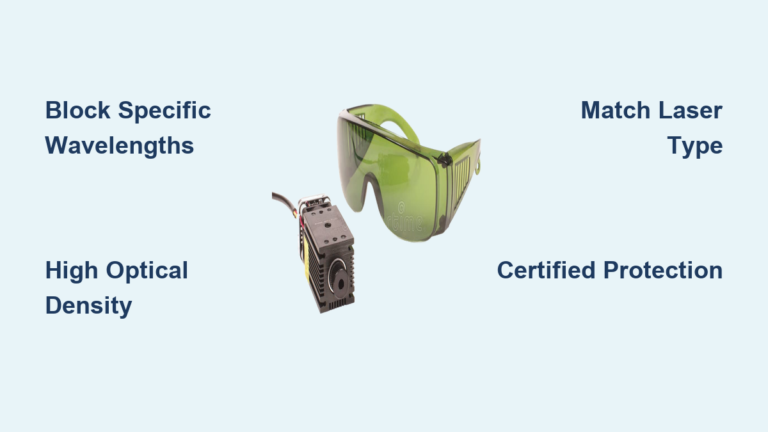
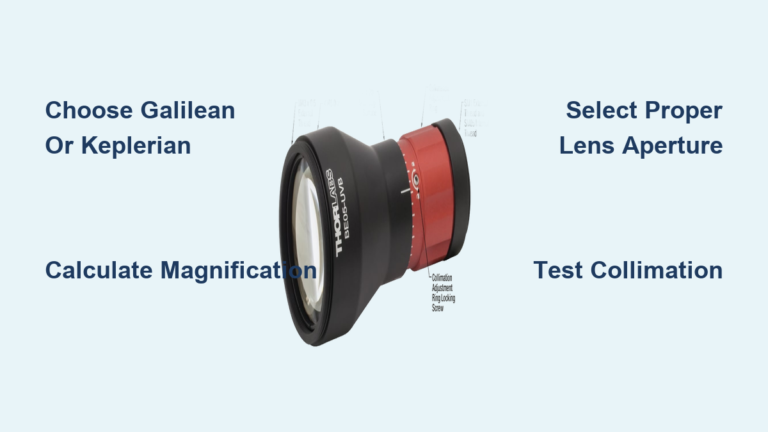
The laser source generates the beam, with type determining wavelength, power, and delivery method. The beam delivery system includes mirrors, lenses, fibers, collimators, and expanders. The cooling system uses air cooling for low-power systems and water cooling for industrial high-power lasers. The control system integrates with CAD/CAM software and manages laser power, pulse timing, travel speed, focus position, and sensor feedback. The shielding gas system delivers argon, helium, or nitrogen via coaxial nozzles to prevent oxidation, stabilize the melt pool, and suppress plasma. Safety systems include laser enclosures, emergency stop buttons, interlock systems, and protective eyewear.
Applications by Industry
Laser beam welding powers innovation across sectors. In automotive, it is used for body-in-white structures, transmission components, EV battery packs, fuel injectors, and exhaust systems. In aerospace, it joins jet engines, landing gear, rocket nozzles, and airframe assemblies. Medical devices including pacemakers, surgical tools, implants, and dental crowns rely on LBW. Electronics applications include battery tab welding, hermetic sealing, micro-welding of connectors, and smartphone assembly. Energy and battery applications cover cylindrical and prismatic cell welding, busbar connections, and fuel cell stack assembly.
Advantages of Laser Beam Welding
Laser beam welding offers numerous benefits that make it valuable in modern manufacturing. It provides high precision with welds as small as 0.1 mm. The small heat-affected zone preserves material properties. Speeds can reach up to 10 meters per minute in thin sheets. Deep penetration allows single-pass welds on thick materials. Results are clean and spatter-free with minimal post-processing. The process is fully automatable, non-contact with no tool wear, and versatile for dissimilar metals and complex geometries. Low fume generation makes it environmentally friendly.
Limitations and Challenges
Despite its strengths, LBW has constraints. High initial cost means equipment investment is significantly higher than traditional welding, with a full automated system costing hundreds of thousands of dollars. Safety hazards include eye injury from direct or reflected beams, skin burns, and fire risk, requiring laser safety goggles, enclosures, interlocks, and operator training. Material limitations exist because reflective metals like copper and aluminum need special lasers, gaps over 0.2 mm cause defects, surface contamination leads to porosity, and thick sections over 25 mm may require multiple passes.
Historical Development
Laser welding evolved over decades. Einstein proposed stimulated emission in 1917. Theodore Maiman built the first ruby laser in 1960. Battelle demonstrated the first practical laser weld in 1967. CO₂ lasers dominated industry through the 1970s and 1980s. Vacuum LBW was tested in Japan in the 1980s. Nd:YAG with fiber delivery was introduced in the 1990s. Fiber lasers revolutionized efficiency and beam quality in the 2000s. Beam shaping, wobbling, blue lasers, and real-time monitoring have advanced the technology from 2010s to now.
Frequently Asked Questions About Laser Beam Welding
What is the basic principle behind laser beam welding?
Laser beam welding works by focusing a high-power laser beam onto a small spot on the workpiece. The concentrated energy rapidly heats the material beyond its melting point, creating a molten pool. As the beam moves, the molten material solidifies behind it, forming a continuous, metallurgically bonded weld. The process uses coherent, monochromatic light generated through stimulated emission to deliver power densities exceeding one million watts per square centimeter.
What is the difference between conduction mode and keyhole mode welding?
Conduction mode welding occurs at power densities below 100,000 W/cm², creating shallow welds up to 1 mm deep with a smooth surface finish. Keyhole mode welding occurs at power densities exceeding one million W/cm², vaporizing material to form a deep cavity that enables penetration depths up to 10 times the weld width. Conduction mode suits thin materials and cosmetic applications, while keyhole mode is for structural joints requiring full penetration.
Which laser type is best for welding reflective metals like copper and aluminum?
Blue and green lasers are best for reflective metals because they operate at shorter wavelengths (400 to 532 nm) that achieve up to 70% absorption in copper compared to less than 5% for infrared lasers. Fiber lasers still work well on aluminum and copper due to their high beam quality, but blue laser technology is emerging as the preferred solution for EV battery welding where copper conductivity is essential.
What industries use laser beam welding the most?
Automotive, aerospace, medical devices, electronics, and energy storage industries use laser beam welding most extensively. Automotive manufacturers use it for body structures and EV battery packs. Aerospace companies employ it for engine components and airframe assemblies. Medical device makers rely on it for implants and surgical instruments. Electronics manufacturers use LBW for battery tabs and hermetic sealing.
Is laser beam welding safer than traditional welding?
Laser beam welding has different safety requirements rather than being universally safer. It requires specific protective eyewear, laser enclosures, and interlock systems to prevent eye injury from the concentrated beam. Traditional welding poses different risks from arc radiation, fumes, and hot metal. Both processes require proper training and safety protocols, but laser welding generally produces less fumes and does not involve open flames or hot electrodes.
Key Takeaways for Understanding Laser Beam Welding
Laser beam welding is a cornerstone of modern manufacturing that combines precision, speed, and strength in one powerful process. By focusing intense light into a microscopic spot, it melts and fuses materials with minimal distortion, making it ideal for everything from micro-electronics to heavy industrial structures. Whether operating in conduction mode for delicate seals or keyhole mode for deep structural joints, LBW delivers consistent, high-quality results.
With ongoing advances in fiber lasers, beam control, and automation, the capabilities of laser beam welding continue to expand. Blue lasers now enable reliable copper welding for EVs, while oscillation and hybrid techniques improve gap tolerance and weld integrity. Although challenges like cost and safety remain, the benefits far outweigh the drawbacks in high-value applications.
As industries push for greater efficiency, miniaturization, and sustainability, laser beam welding will remain at the forefront of joining technology, quietly shaping the products of tomorrow.