How to Reduce Facial Swelling After Laser Treatment
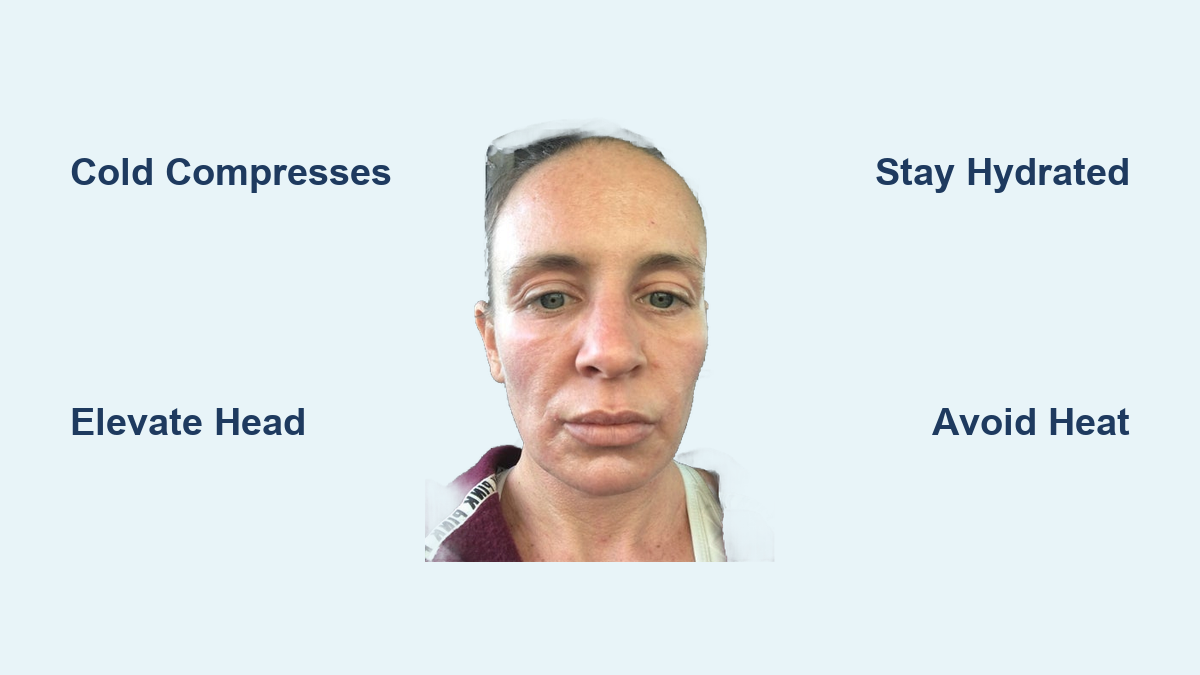
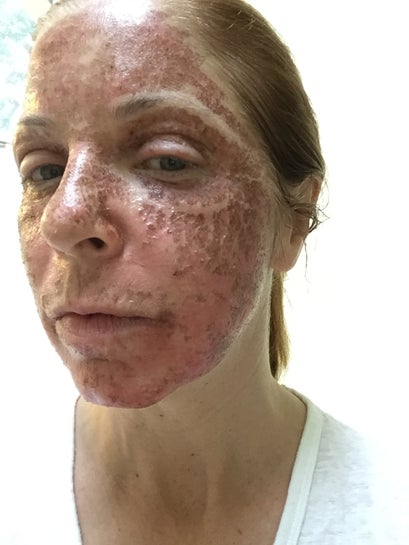
Facial swelling after laser treatment is a normal part of the healing process, especially following procedures like fractional CO2, Erbium, BBL, or IPL. The heat from the laser causes controlled damage to the skin, triggering an inflammatory response that brings extra blood and fluid to the area, leading to puffiness. While it can be unsettling, especially around the eyes and cheeks, this swelling is temporary and manageable with the right care.
Most people notice swelling within hours of treatment, peaking at 24 to 48 hours. With proper aftercare, it typically resolves within a few days for mild treatments and up to a week for more aggressive resurfacing. The key to fast recovery lies in immediate action: cooling the skin, keeping your head elevated, and avoiding triggers that worsen inflammation. This guide covers proven, dermatologist recommended strategies to reduce facial swelling after laser, tailored to your treatment type and recovery timeline.
Immediate Swelling Control: First 72 Hours
The first three days post-laser are critical for minimizing facial puffiness. This is when inflammation peaks, and your actions directly impact healing speed and comfort.
Apply Cold Compresses Properly
Cold therapy constricts blood vessels, reducing blood flow and fluid buildup in the skin. Here is how to do it safely.
Wrap ice in a thin towel or use a cold, damp washcloth. Hold on swollen areas for 10 to 15 minutes, then rest for 10 minutes. Repeat every 1 to 2 hours during the day for the first 1 to 2 days.
Never apply ice directly to the skin, as this can damage sensitive post-laser tissue. Some clinics recommend anti-bruise pads containing arnica and ledum, which can be worn overnight to reduce both swelling and discoloration.
Keep Your Head Elevated
Lying flat increases fluid accumulation in the face overnight. Elevating your head helps drain excess fluid through the lymphatic system.
Use 2 to 3 pillows or a wedge pillow to keep your head above heart level while sleeping. Maintain this position for at least 2 to 3 nights post-treatment.
Even a slight incline can make a noticeable difference in morning puffiness.
Stay Hydrated to Flush Inflammation
Drinking enough water supports your body’s natural detox process. Aim for 8 to 10 glasses, which is 64 to 80 ounces, daily.
Avoid dehydrating substances like alcohol, which increases swelling and delays healing, and caffeine, which can dry out skin and worsen irritation. Hydration helps remove inflammatory byproducts and keeps skin plump and resilient during repair.
Topical Treatments for Inflammation

Using gentle, anti-inflammatory topicals can soothe irritated skin and speed up swelling reduction.
Use Pure Aloe Vera Gel
Aloe vera is a go-to for post-laser care due to its cooling and anti-inflammatory properties. Choose 100 percent pure, fragrance-free aloe vera gel with no alcohol or dyes. Apply a thin layer 2 to 3 times daily after cleansing. Do not rub; gently pat or press into the skin.
Aloe helps calm redness, reduces discomfort, and supports skin regeneration.
Try 1 Percent Hydrocortisone
A short course of over-the-counter 1 percent hydrocortisone cream can reduce stubborn inflammation, but only use it if approved by your provider. Apply sparingly once or twice a day. Limit use to 3 days or less to avoid skin thinning or delayed healing.
This is not for routine use; it is only for cases of significant redness or swelling.
Apply Chamomile or Green Tea Compresses
Natural botanicals like chamomile and green tea contain antioxidants that calm inflammation. Brew tea, chill in the fridge, and soak a clean cloth. Gently press onto the face for 5 to 10 minutes.
These are gentle enough for sensitive, healing skin and provide soothing relief.
Consider Diluted Vinegar Soaks
Some practitioners recommend white vinegar soaks for their anti-inflammatory and pH-balancing effects. Mix 2 tablespoons white vinegar with 1 cup cool water. Soak a soft cloth and apply as a compress for 5 to 10 minutes.
Use this only if advised by your provider and discontinue if stinging occurs.
Gentle Skincare Routine Post-Laser
Your skin barrier is weakened after laser treatment, so your skincare must be non-irritating and supportive of healing.
Cleanse with Care
Use lukewarm water and a fragrance-free, non-exfoliating cleanser. Avoid washcloths, scrubs, or hot water. Pat dry and never rub.
Overwashing or harsh products can worsen swelling and delay recovery.
Moisturize Frequently
Hydration supports healing and prevents dryness that can trigger more inflammation. Look for ingredients like hyaluronic acid, which draws in moisture, ceramides, which repair the skin barrier, and squalane, which is a lightweight, non-irritating emollient.
Apply every few hours or as needed to keep skin soft and protected.
Protect with Mineral Sunscreen
UV exposure can worsen swelling and lead to hyperpigmentation. Use SPF 30 or higher mineral sunscreen with zinc oxide or titanium dioxide. Choose fragrance-free formulas designed for sensitive skin. Reapply every 2 hours if outdoors.
Even indoor light can affect healing skin, so do not skip this step.
Lifestyle Changes to Prevent Worsening Swelling
Certain habits can increase blood flow to the face and make puffiness worse.
Avoid Heat and Strenuous Activity
Heat causes blood vessels to dilate, increasing fluid leakage into tissues. Avoid hot showers or baths, saunas, steam rooms, and hot tubs for 48 to 72 hours. Skip intense exercise and wait 2 to 3 days before resuming workouts.
Light walking is acceptable, but skip activities that raise your heart rate significantly.
Skip Alcohol and Spicy Foods
Alcohol dilates blood vessels and dehydrates the body. Spicy foods can trigger facial flushing and inflammation. Both can prolong swelling and discomfort.
Opt for mild, hydrating meals instead.
Limit Caffeine
While not always necessary to eliminate, caffeine can contribute to dehydration. If swelling is significant, consider switching to decaf or herbal teas for the first few days.
Oral Medications That Help
In some cases, oral treatments can support inflammation control, especially with aggressive laser procedures.
Take Ibuprofen for Inflammation
Ibuprofen, also known as Advil or Motrin, is effective for reducing both pain and swelling. Take 200 to 400 milligrams every 6 to 8 hours as needed.
Do not use ibuprofen if you have stomach ulcers, kidney issues, or are on blood thinners. It works by blocking inflammatory chemicals in the body.
Consider Antihistamines If Needed
Benadryl may help if there is a mild allergic component, but it causes drowsiness, so it is best taken at night. Claritin or Zyrtec are non-drowsy alternatives but are less effective for pure inflammation.
These are not standard for post-laser swelling unless advised by your provider.
Ask About Prednisone for Severe Swelling
In extreme cases, a short course of oral steroids like prednisone may be prescribed. Benefits include rapid reduction of inflammation and help resolving prolonged or worsening swelling.
This is prescription-only and must be medically supervised. One expert notes that seeing your specialist for a short course of prednisone will reduce swelling. Do not self-medicate; always consult your dermatologist first.
When to Worry: Signs of Complications
Most swelling is normal, but some symptoms require immediate attention.
Seek Medical Help If You Have
Swelling that gets worse after 72 hours, severe pain, burning, or tightness, pus, yellow crusting, or oozing, which are signs of infection, increased redness, warmth, or tenderness, fever or chills, or fluid buildup resembling a seroma.
These could indicate infection, allergic reaction, or other complications.
Watch for Cold Sores
If you have a history of herpes simplex, laser treatment can trigger an outbreak. Your provider may prescribe acyclovir before and after treatment. Start antivirals as directed, even if no sores are present.
Early treatment prevents blisters and scarring.
Swelling by Laser Type: What to Expect
The level of swelling depends on the laser’s intensity and depth of penetration.
BBL or IPL: Mild Swelling
Expect 1 to 3 days of slight puffiness and redness. Use cold compresses, hydration, and sunscreen. Most patients resume normal activities within 1 to 2 days.
Erbium Laser: Moderate Swelling
Expect 3 to 5 days of noticeable puffiness and pinkness. Use elevation, aloe vera, and gentle moisturizing. Avoid makeup for 3 to 5 days.
Fractional CO2: Significant Swelling
Expect 5 to 7 days of pronounced puffiness, oozing, and crusting. Use strict elevation, vinegar soaks, and possible steroid use. Follow all instructions closely.
This is the most intense treatment and requires the most careful aftercare.
Expert Tips for Faster Healing
Speed up recovery with simple, effective habits.
Do not pick or peel. Let dead skin shed naturally, as picking can cause scarring or infection.
Delay makeup use. Wait until skin is no longer red or open, usually 3 to 5 days. When restarting, use oil-free, non-comedogenic products.
Prioritize rest. Healing happens during sleep. Aim for 7 to 9 hours nightly.
Follow provider instructions. Your dermatologist may have specific recommendations based on your skin type and treatment.
Attend follow-up appointments. These ensure proper healing and allow early detection of issues.
Key Takeaways for Reducing Facial Swelling After Laser
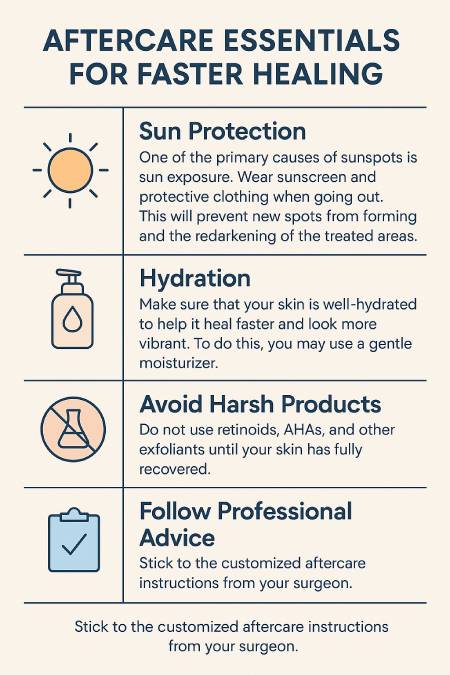
Swelling after laser treatment is expected, manageable, and temporary. By using cold therapy, staying hydrated, avoiding triggers, and following your provider is plan, you can minimize puffiness and support smooth healing.
The most effective strategies include applying cold compresses for 10 to 15 minutes every 1 to 2 hours during the first 2 days, sleeping with your head elevated for 2 to 3 nights, drinking 8 to 10 glasses of water daily, and avoiding heat, alcohol, and spicy foods for the first 48 to 72 hours.
Topical treatments like pure aloe vera gel applied 2 to 3 times daily and 1 percent hydrocortisone used sparingly for up to 3 days can accelerate reduction of inflammation. Ibuprofen at 200 to 400 milligrams every 6 to 8 hours helps with pain and swelling, while mineral sunscreen with SPF 30 or higher protects fragile skin daily.
Most patients see clear improvement within days and go on to achieve brighter, tighter, more even skin. Always reach out to your dermatologist if swelling does not follow the expected timeline, as early care ensures the best results.
Frequently Asked Questions About Reducing Facial Swelling After Laser
Is swelling normal after laser treatment?
Yes, swelling is a natural response to thermal injury and shows your skin is repairing. It is a common side effect across most facial laser treatments.
How long does puffiness last after laser?
For BBL or IPL, expect 1 to 3 days. For Erbium laser, expect 3 to 5 days. For fractional CO2, expect 5 to 7 days. Improvement should begin within 72 hours.
Why is swelling worse in the morning?
Fluid redistributes while lying down, pooling in the face overnight. This is why head elevation is so important during sleep.
Can I use Benadryl for post-laser swelling?
Only if an allergic reaction is suspected. Benadryl is not effective for standard inflammatory swelling. Consult your doctor before use.
What sunscreen should I use after laser?
Use a mineral-based sunscreen with zinc or titanium dioxide, SPF 30 or higher, and fragrance-free. Reapply every 2 hours when outdoors.
What if swelling does not go down?
Contact your provider if swelling persists beyond the expected timeline or worsens after 72 hours. You may need prednisone or evaluation for infection.