How Laser Removes Dark Spots: Quick Guide
Dark spots, sun spots, age spots, or hyperpigmentation—whatever you call them, these stubborn patches can make your complexion look uneven and add years to your appearance. If topical creams and serums haven’t delivered the results you want, you might be asking: how does laser remove dark spots? The answer lies in advanced light technology that targets pigment at its source, breaking up melanin without harming the surrounding skin.
This guide explains exactly how lasers work to eliminate dark spots, which treatment types work best for different skin concerns, what to expect during and after sessions, and how to maintain your results long-term. Whether you’re considering IPL, Q-switched, or picosecond lasers, you’ll find everything you need to make an informed decision.
Laser Mechanism: Targeting Melanin with Light
Laser treatment removes dark spots by focusing precise wavelengths of light directly onto melanin, the pigment responsible for skin color. When the laser pulse hits a dark spot, the concentrated energy is absorbed by the excess melanin, rapidly heating and fragmenting the pigment particles. This process is called selective photothermolysis, and it ensures that only pigmented cells are affected while healthy surrounding tissue remains intact.
The fragmented melanin is then recognized as debris by your immune system. Macrophages, the body’s cleanup cells, engulf these particles and transport them out through the lymphatic system. Within hours of treatment, spots often darken or turn gray-white—a sign the pigment has been destabilized. Over the next 3-14 days, treated areas form micro-crusts that flake off naturally, revealing clearer skin underneath.
Beyond removing pigment, many lasers also stimulate collagen production by creating controlled micro-injuries in the dermis. This means patients often see not only lighter spots but also improved skin texture and firmer Complexion after treatment.
Best Laser Types for Dark Spot Removal
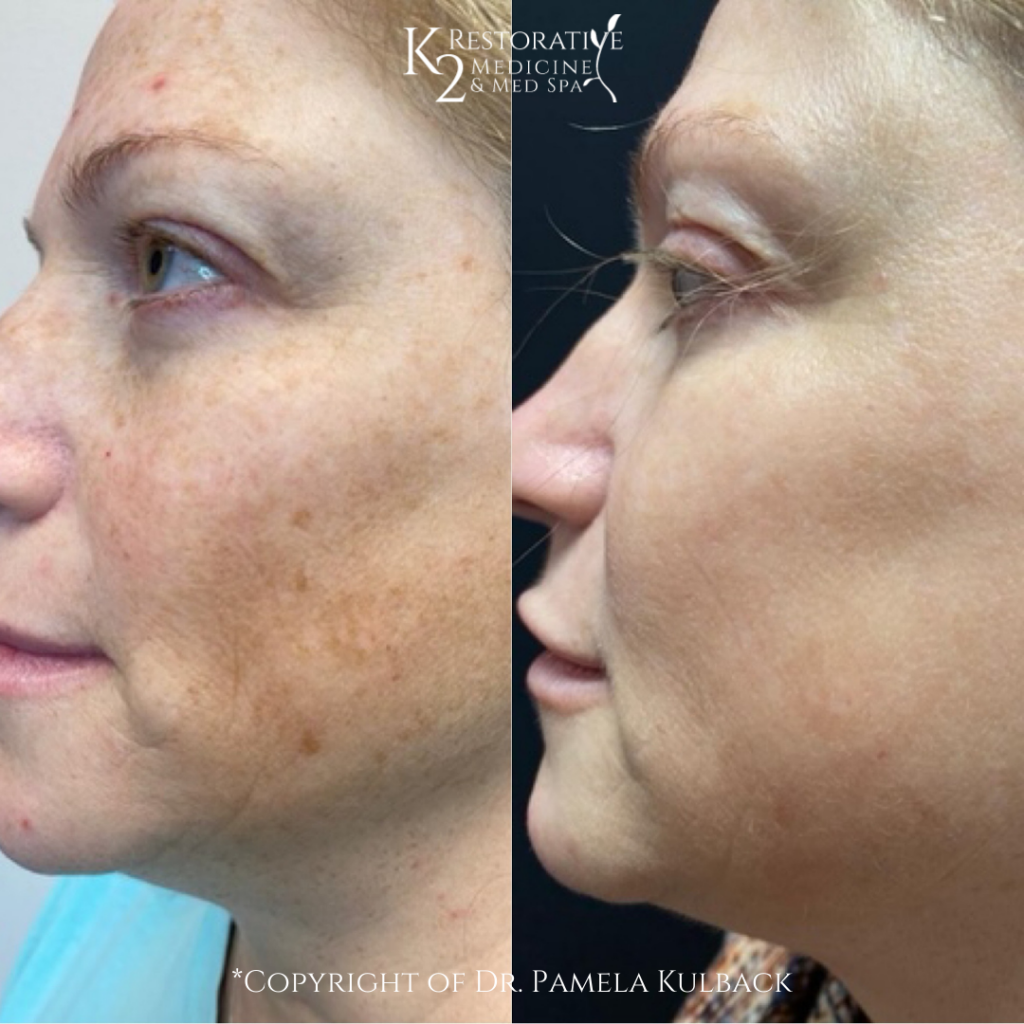
Different lasers target pigmentation in unique ways. Understanding which type works best for your skin concern is essential for achieving optimal results.
IPL and BBL for Surface-Level Pigmentation
Intense Pulsed Light and BroadBand Light are popular choices for treating mild to moderate sun damage and scattered freckles. These devices emit broad-spectrum light filtered to target melanin and hemoglobin, making them ideal for diffuse discoloration on the face, chest, or hands. Patients with Fitzpatrick skin types I-III see the best results, with most requiring 1-3 sessions spaced 4-6 weeks apart. Downtime is minimal—slight redness fades within 1-2 days—and many people return to work immediately. However, IPL is less effective on deep pigmentation and carries higher risks for darker skin tones.
Q-Switched Lasers for Precision Spot Removal
Q-switched lasers, including Nd:YAG, Alexandrite, and Ruby models, deliver high-energy pulses in nanoseconds, making them highly effective for discrete dark spots like lentigines and café-au-lait macules. These lasers use selective absorption to target melanin-rich cells with minimal heat spread, reducing collateral damage. The Nd:YAG laser at 1064nm is especially safe for Fitzpatrick IV-VI skin types due to its deeper penetration and lower melanin absorption. Immediate frosting—a white discoloration appearing seconds after treatment—indicates successful pigment destruction.
Picosecond Lasers: Fast, Safe, and Effective
Picosecond lasers like PicoWay and PicoSure represent the next generation of pigment removal. With pulse durations up to 100 times faster than Q-switched lasers, they rely more on photomechanical than thermal action. This means pigment is shattered into ultrafine particles with less heat, reducing inflammation and recovery time. These lasers excel at treating stubborn melasma, freckles, and tattoo remnants, especially in patients with darker skin. Downtime is typically 5-7 days, though sessions cost $800-$1,500 on average.
Fractional Non-Ablative Lasers for Diffuse Damage
For widespread pigmentation or early signs of photoaging, fractional non-ablative lasers like Fraxel Dual are top choices. These devices use dual wavelengths to target superficial pigment while improving texture and pores. Instead of removing skin, they create microscopic thermal zones that trigger remodeling from within. This dual-action makes Fraxel particularly effective for melasma when used at low fluence. Patients typically need 3-6 sessions with 3-5 days of pinkness and sandpaper-like texture post-treatment.
Ablative Lasers for Deep Pigmentation
When dark spots are severe or accompanied by wrinkles and skin laxity, fractional ablative lasers like CO₂ and Er:YAG may be used. These devices vaporize thin layers of skin, physically removing pigmented cells while promoting deep collagen regeneration. A single session can eliminate resistant lentigines with results lasting years. However, the trade-off is significant: 7-14 days of downtime involving oozing, crusting, and prolonged redness. Costs range from $2,500-$5,000+ for a full face.
Hybrid Lasers: Best of Both Worlds
Hybrid systems like the Halo laser combine ablative and non-ablative wavelengths in one treatment. This allows providers to remove surface pigment while stimulating deeper collagen—balancing efficacy with faster recovery. Patients enjoy noticeable improvements in tone, texture, and pore size with 5-7 days of downtime. While more expensive at $1,200-$1,800 per session, its versatility makes it a favorite among practitioners.
Which Dark Spots Respond Best to Treatment
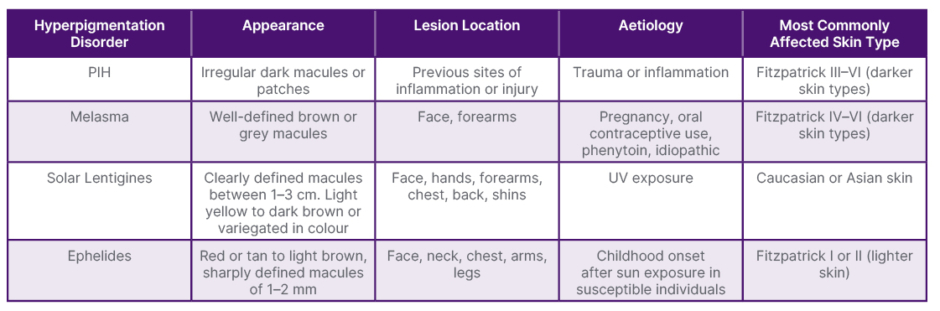
Understanding your pigmentation type helps set realistic expectations for laser treatment outcomes.
Sun Spots and Age Spots: High Success Rate
Solar lentigines, commonly called sun or age spots, are among the most responsive pigmentation types to laser treatment. Caused by cumulative UV exposure, these flat, brown lesions appear on the face, hands, and arms. Because they’re superficial and well-defined, they absorb laser energy efficiently. All major laser types deliver excellent results, with often one session enough to clear isolated spots. Patients see visible fading within 1-2 weeks, with full clearance by day 14.
Freckles: Temporary Clearance Possible
Freckles are genetically influenced and tend to darken with sun exposure. While lasers can remove them effectively, recurrence is common without strict sun protection. IPL, picosecond, and Q-switched lasers are all effective with minimal downtime. Many patients opt for seasonal touch-ups rather than permanent removal due to the hormonally reactive nature of freckles.
Post-Inflammatory Hyperpigmentation: Requires Caution
Dark marks left behind after acne, injury, or inflammation known as PIH can be improved with laser therapy. However, aggressive treatments can worsen pigmentation, especially in darker skin. Safer options include low-fluence picosecond and non-ablative fractional lasers, which gently disperse pigment without triggering inflammation. Pre-treatment with tyrosinase inhibitors like hydroquinone reduces melanocyte activity and lowers PIH risk.
Melasma: Not Curable—Only Managed
Melasma is the most challenging pigmentation condition. These symmetrical, gray-brown patches on the cheeks, forehead, and upper lip are driven by hormones and UV light. Lasers are not a cure and can actually worsen or trigger flare-ups if used improperly. When considered, melasma treatment should follow failed topical therapy and involve low-dose Fraxel, picosecond, or Q-switched lasers with extreme caution. Topicals and sun protection remain the gold standard.
Treatment Timeline and Session Needs
The number of laser sessions depends on the type, depth, and distribution of dark spots. Isolated lentigines typically require 1-3 sessions, while diffuse sun damage needs 2-4 sessions. Melasma may need 3-6 or more with ongoing maintenance. Café-au-lait macules often require 3-8 sessions depending on depth. Most protocols space treatments 4-6 weeks apart to allow full healing and pigment clearance.
Treatment time varies by area. Small zones like the upper lip take 15-20 minutes, while full-face treatment requires 30-60 minutes. Adding neck or chest treatment adds 15-30 minutes. Most patients describe the sensation as a snapping rubber band on the skin, and topical numbing cream applied 30-60 minutes beforehand significantly reduces discomfort.
Pain, Downtime, and Recovery by Laser Type
All laser treatments cause some degree of redness and swelling, which usually resolves within 1-3 days. Treated spots may darken within 24-48 hours—a normal sign that pigment has been destabilized.
IPL and BBL offer the shortest downtime at 0-2 days with mild redness and no peeling. Picosecond and Q-switched lasers require 5-7 days with crusting and flaking. Fractional non-ablative treatments like Fraxel need 3-5 days with pinkness and sandpaper texture. Ablative lasers like CO₂ demand the longest recovery at 7-14 days with oozing, crusting, and significant redness.
Avoid heat, exercise, and swimming for at least 48 hours after any treatment. Never pick at crusts—this increases scarring and PIH risk.
Preparing for Your Laser Treatment
Proper preparation reduces complications and improves results. Four weeks before treatment, avoid sun exposure, tanning beds, and self-tanners. Stop photosensitizing medications only if approved by your doctor. Begin a pigment-suppressing skincare routine including hydroquinone, tranexamic acid, niacinamide, and vitamin C serum. Use mineral sunscreen with SPF 30+ daily, even indoors.
One week before treatment, request a test spot if you have Fitzpatrick IV-VI skin to assess reaction and calibrate settings. Avoid retinoids, AHAs, and BHAs for at least two weeks before treatment. On treatment day, arrive with clean, dry, makeup-free skin and skip lotions, perfumes, or deodorants on the treatment area.
Post-Treatment Care: Healing the Right Way
First 72 hours after treatment, avoid hot showers, saunas, steam rooms, swimming, and intense workouts. Do not pick or scratch flaking skin. Use gentle cleansers, soothing moisturizers with ceramides or hyaluronic acid, cool compresses for discomfort, and mineral sunscreen every 2 hours if outdoors.
By day 3, you can reintroduce niacinamide, tranexamic acid, and vitamin C. Hold off on retinoids and AHAs until skin is fully healed, usually around day 7.
Laser treatment doesn’t stop new spots from forming. To maintain results, wear SPF 30-50 daily and reapply every 2 hours in direct sun. Use pigment-inhibiting serums year-round and schedule annual touch-ups in fall or winter.
Risks and Side Effects to Know
Most common side effects include temporary redness, swelling, crusting, and darkening of spots during the healing process. These resolve within days to weeks.
Serious risks include post-inflammatory hyperpigmentation, which is more common in darker skin and preventable with proper settings. Hypopigmentation or light spots can occur, sometimes permanently, and is higher risk with aggressive lasers. Melasma flare-ups can be caused by heat or UV exposure. Scarring is rare but usually results from poor aftercare or over-treatment. Infections are low risk, though antivirals may be prescribed if you have a history of cold sores.
Who Should Avoid Laser Treatment
You are not a candidate if you have recent sun exposure or a tan, are pregnant or breastfeeding with melasma, have active acne, eczema, or open wounds, are on isotretinoin or photosensitizing drugs, have a history of keloid scarring, or have undiagnosed or changing moles.
Always see a dermatologist before treatment to rule out skin cancer. Never treat suspicious lesions with laser—this can delay diagnosis and worsen outcomes.
Choosing the Right Provider Matters
Provider skill is critical for safe, effective treatment. Look for board-certified dermatologists, plastic surgeons, or licensed RNs who are trained and certified in laser operation and experienced with diverse skin types and pigmentation disorders.
Inexperienced operators can cause burns, scarring, or permanent pigment changes. Ask about test spots, pre-treatment protocols, and emergency plans before booking.
Long-Term Results: How to Keep Skin Clear
Laser treatment delivers impressive results, but it’s not permanent. New dark spots can form with UV exposure. To protect your investment, use SPF 30-50 every day regardless of weather. Reapply every 2 hours when outdoors. Wear hats and sunglasses, avoid peak sun hours between 10 a.m. and 4 p.m., and use pigment-inhibiting serums consistently. Schedule seasonal touch-up sessions in cooler months for maintenance.
Frequently Asked Questions About Laser Dark Spot Removal
How does laser actually remove dark spots?
Lasers use focused light energy that targets melanin pigment in the skin. The light is absorbed by the dark spots, heating and fragmenting the pigment particles. Your body’s immune system then clears these fragments over days to weeks, revealing clearer skin. Different lasers use different wavelengths and pulse durations to target various depths of pigmentation safely.
Are laser results permanent?
Laser treatment removes existing dark spots permanently, but new spots can form with sun exposure. The aging process and UV damage continue to create new pigmentation over time. That’s why daily sun protection and periodic maintenance treatments are essential for keeping results long-term. Most patients need touch-up sessions every 1-2 years.
Which laser is best for dark spots on darker skin?
For darker skin tones (Fitzpatrick IV-VI), Nd:YAG lasers at 1064nm are safest because they penetrate deeper with less melanin absorption, minimizing PIH risk. Picosecond lasers and non-ablative fractional lasers are also good options. IPL and aggressive ablative lasers carry higher risks for darker skin and should be avoided.
How many laser sessions do I need for dark spots?
The number of sessions depends on your specific concern. Isolated sun spots often clear in 1-2 sessions. Diffuse sun damage or freckles typically need 2-4 sessions. Melasma requires 3-6 or more sessions with ongoing maintenance. Your provider will assess your skin and recommend a personalized treatment plan during your consultation.
Does laser treatment hurt?
Most patients describe the sensation as a snapping rubber band or stinging feeling. Topical numbing cream applied 30-60 minutes before treatment significantly reduces discomfort. Pain levels vary by laser type—IPL is least painful, while Q-switched and picosecond lasers feel more intense. Any discomfort subsides immediately after treatment.
Key Takeaways for Successful Laser Dark Spot Removal
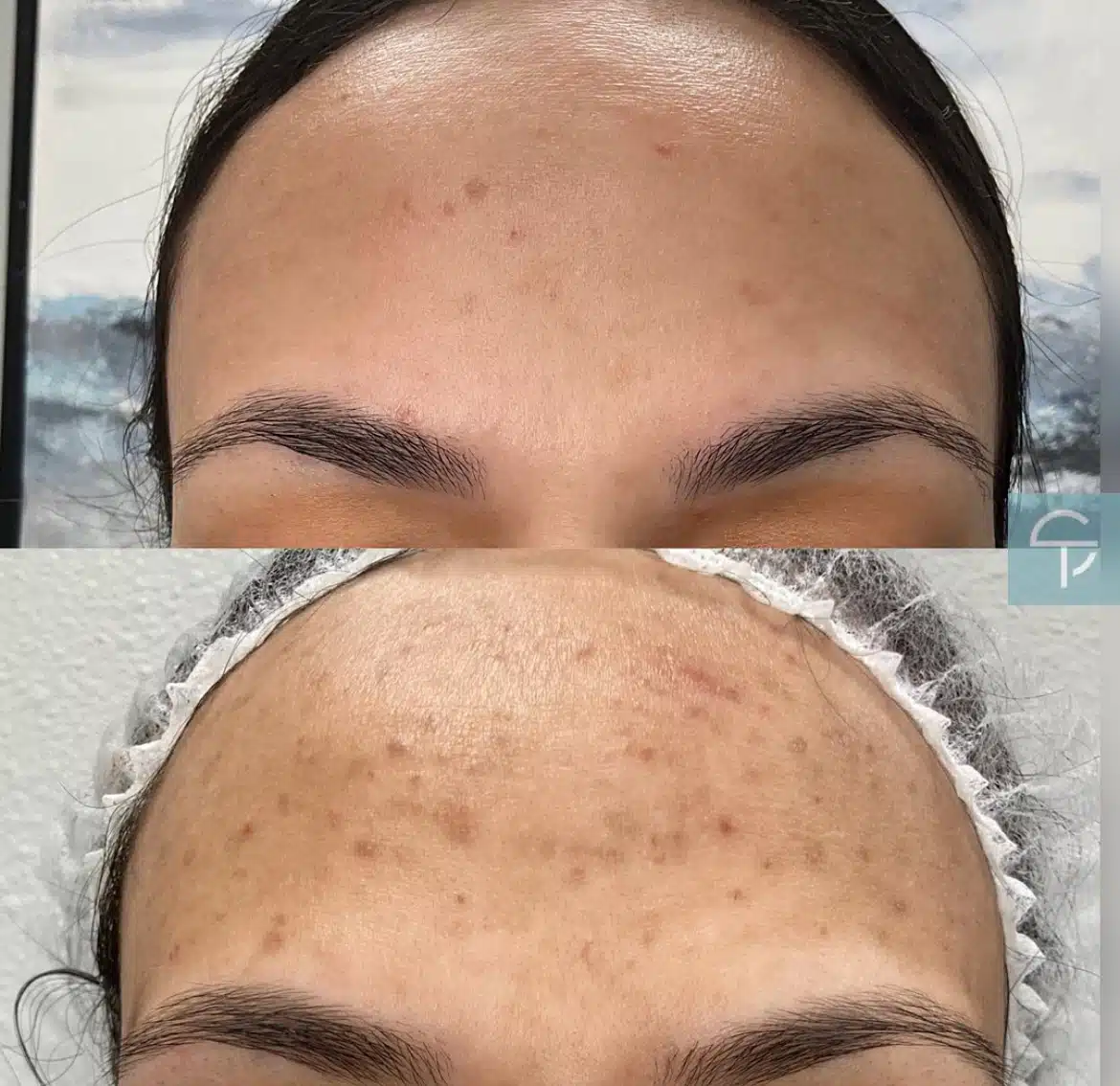
Laser treatment works through selective photothermolysis, targeting melanin with specific wavelengths of light to fragment pigment for natural clearance by your immune system. The best results occur with solar lentigines and freckles, while melasma requires extreme caution and should never be treated as a first-line option. Choose your laser type based on your skin tone, pigmentation depth, and tolerance for downtime. Preparation and aftercare are critical—four weeks of sun avoidance before treatment and diligent SPF use afterward determine long-term success. Always seek treatment from a qualified, experienced provider to minimize risks like PIH, hypopigmentation, and scarring. With realistic expectations and proper skin care, laser therapy can significantly brighten your complexion and restore even, radiant skin.