How Cold Laser Therapy Works: Quick Guide
If you have ever wondered how a beam of light can relieve pain, reduce inflammation, or speed up healing without surgery or medication, cold laser therapy might hold the answer. Also known as low-level laser therapy (LLLT) or photobiomodulation, this non-invasive treatment uses specific wavelengths of light to activate the body is natural repair processes at the cellular level. Unlike surgical lasers that cut or burn, cold lasers deliver low-intensity light that does not generate heat, making them safe for repeated use on skin, muscles, joints, and even nerves.
Over 4,000 scientific studies support cold laser is effectiveness in reducing pain, accelerating tissue recovery, and improving function in conditions like arthritis, sports injuries, and chronic wounds. The FDA has cleared certain LLLT devices for treating musculoskeletal pain, validating its role in modern medicine. In this guide, you will learn exactly how cold laser works, what happens inside your cells, which conditions it treats, and what to expect during a session.
Cellular Mechanism of Cold Laser
Cold laser therapy does not heal by heat, force, or chemicals. It works by energizing your cells with light.
Light Absorption by Mitochondria
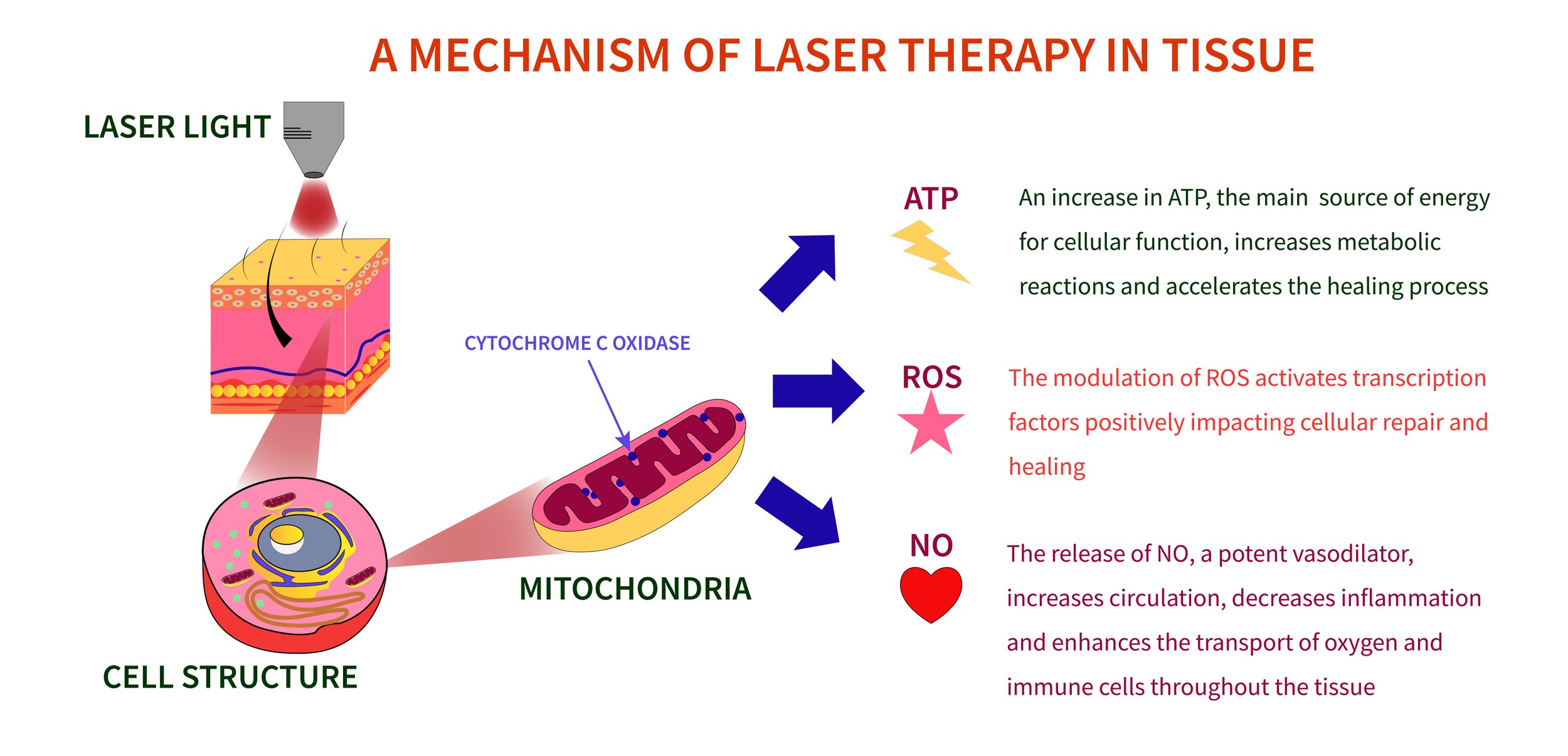
When cold laser light penetrates the skin, photons are absorbed by mitochondria, particularly by a key enzyme called cytochrome c oxidase in the electron transport chain. This enzyme acts like a solar panel for your cells. When it captures light energy, it boosts the production of adenosine triphosphate (ATP), the primary energy currency of the cell.
Dysfunctional or injured cells absorb more light than healthy ones, meaning the therapy selectively targets areas in need of repair. This specificity enhances safety and effectiveness.
Increased ATP and Cellular Energy
With more ATP available, cells gain the energy needed to repair damaged tissue, regenerate new cells, remove waste products, and maintain optimal function. Think of it like charging a battery: a sluggish, injured cell gets a power boost that allows it to perform its job faster and more efficiently.
Modulation of Reactive Oxygen Species
Cold laser therapy causes a brief, beneficial rise in reactive oxygen species (ROS). These molecules once thought to be harmful now known to act as signaling agents. This temporary increase activates antioxidant defenses, reduces oxidative stress, and triggers anti-inflammatory responses.
Activation of Healing Signaling Pathways
LLLT influences critical cellular pathways such as NF-κB and MAPK, which regulate inflammation, cell survival, and tissue regeneration. By modulating these pathways, cold laser therapy helps shift cells from a state of damage and inflammation to one of repair and recovery.
Wavelengths That Penetrate Tissue

Not all light is the same. Cold laser devices use precise wavelengths to reach different tissue depths.
Red Light for Superficial Healing
Red light, ranging from 600 to 700 nm, is ideal for surface-level conditions because it penetrates 1 to 5 millimeters into the skin. It is commonly used for skin wound healing, acne treatment, scar reduction, and hair regrowth. Its ability to stimulate fibroblasts and keratinocytes makes it effective for dermatological applications.
Near-Infrared Light for Deep Tissue
Near-infrared light, ranging from 780 to 1100 nm, goes much deeper, reaching up to several centimeters. This allows it to reach muscles, tendons, ligaments, and even bone. It is perfect for joint pain like knee osteoarthritis, muscle strains, back and neck injuries, and nerve regeneration. Using the correct wavelength ensures the light reaches the target tissue without overexposing the surface.
Why Wavelength Choice Matters
Using the wrong wavelength can result in poor outcomes. For example, red light will not effectively treat deep hip bursitis, while near-infrared light may be excessive for a minor skin abrasion. Clinicians must match the wavelength to the condition and depth for optimal results.
Power Output and Treatment Dosage
Cold lasers are low-energy devices. Power is measured in milliwatts, not watts.
Low Power Means No Heat
Cold laser devices typically operate between 5 mW and 500 mW, far below surgical lasers which can exceed 300 watts. This low output means no thermal damage occurs, preserving tissue integrity. Because there is no heat, patients feel nothing during treatment, no pain, tingling, or vibration.
Measuring Dose in J/cm²
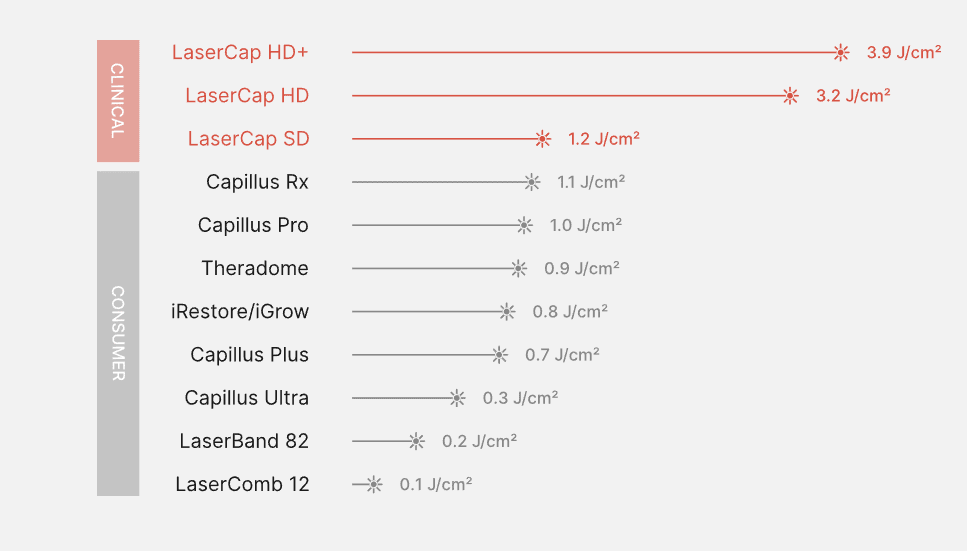
Therapeutic effect depends on proper dosing, measured in joules per square centimeter (J/cm²). This is calculated using laser power in watts, treatment time in seconds, and beam area in cm². Too little energy has no effect, while too much can inhibit healing. Precise calibration is essential.
Common Dosing Ranges
Therapeutic dosing varies by condition. Superficial wounds typically require 1 to 4 J/cm². Muscle and joint pain usually needs 4 to 10 J/cm². Nerve regeneration may require 5 to 15 J/cm². A trained provider tailors the dose based on tissue type, condition severity, and treatment goals.
Physiological Effects of Cold Laser
Cold laser therapy does not just soothe symptoms. It changes how your body heals.
Reduce Inflammation Naturally
LLLT lowers levels of pro-inflammatory cytokines like TNF-α and IL-1β while increasing anti-inflammatory mediators. This dual action reduces swelling and pain in conditions like arthritis and tendonitis. Patients often notice less stiffness and improved mobility after just a few sessions.
Block Pain Signals Effectively
Cold laser therapy modulates pain pathways by decreasing nerve sensitivity, reducing substance P (a pain-signaling neurotransmitter), and increasing endorphin release. It is especially effective for nociceptive pain, pain caused by tissue injury, and has shown benefits in fibromyalgia and chronic back pain.
Improve Blood Flow and Oxygen Delivery
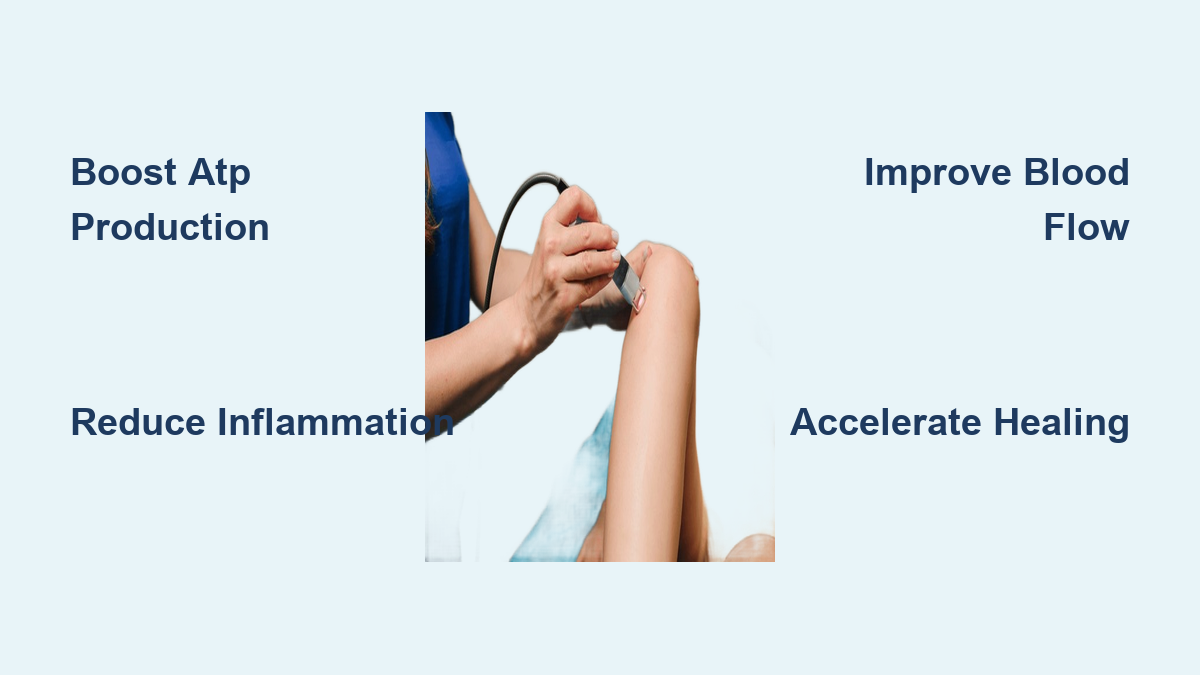
The therapy stimulates nitric oxide release, which dilates blood vessels and enhances circulation. Better blood flow means more oxygen and nutrients reach injured areas while waste products like lactic acid are cleared faster. This is crucial for healing sports injuries and post-surgical recovery.
Accelerate Tissue Regeneration
With more energy and better circulation, cells involved in repair work faster. Fibroblasts produce collagen for stronger connective tissue. Osteoblasts rebuild bone after fractures. Keratinocytes close skin wounds rapidly. Studies show cold laser can cut healing time for ulcers and surgical incisions by up to 50 percent.
Support Nerve Repair and Function
For nerve injuries or neuropathy, LLLT promotes axonal regeneration and remyelination. Transcranial applications (shining light through the skull) are being studied for traumatic brain injury and cognitive support. Patients report reduced numbness, tingling, and improved sensation over time.
Conditions Effectively Treated
Cold laser therapy is used across medical specialties for diverse health issues.
Musculoskeletal and Joint Pain
LLLT effectively treats tendonitis (tennis elbow, Achilles), bursitis, ligament sprains, osteoarthritis, and low back and neck pain. It reduces pain and inflammation while improving joint function, often avoiding the need for NSAIDs or injections.
Sports and Overuse Injuries
Athletes use cold laser to speed recovery from contusions, treat overuse syndromes like shin splints and rotator cuff issues, and reduce muscle fatigue post-exercise. Many sports clinics integrate LLLT into rehabilitation protocols.
Wound Healing and Skin Repair
FDA-cleared for diabetic ulcers and pressure sores, cold laser accelerates closure by stimulating cell proliferation and angiogenesis (new blood vessel formation). It is also used for acne reduction, scar tissue softening, and collagen stimulation for anti-aging.
Post-Surgical Recovery
After surgery, cold laser helps reduce swelling and bruising, speed incision healing, and minimize scar formation. Patients often return to activity sooner with less pain.
Chronic Pain Syndromes
For fibromyalgia, complex regional pain syndrome (CRPS), and chronic neuropathic pain, LLLT offers a non-drug option for managing long-term pain with minimal side effects.
Dental and Oral Applications
Dentists use cold laser for healing oral ulcers, treating TMJ disorders, and reducing post-extraction pain. It is painless and well-tolerated by patients of all ages.
Emerging Brain and Cognitive Uses
Transcranial photobiomodulation is being studied for traumatic brain injury (TBI), depression and anxiety, and cognitive enhancement. Early trials show improvements in memory, mood, and executive function.
What to Expect During Treatment
Cold laser therapy is quick, painless, and requires no downtime.
No Sensation and No Downtime
You will not feel heat, vibration, or electric pulses. Most patients report no sensation at all. Some notice a mild warmth, like sunlight on the skin. There is no need for anesthesia, gels, or skin preparation.
Session Length Varies by Area
Small areas like fingers or wrists take 2 to 5 minutes. Large joints like knees or shoulders take 8 to 15 minutes. Full spine or multiple sites may take up to 20 minutes. Treatments are often combined with physical therapy or chiropractic adjustments.
Typical Treatment Frequency
Acute injuries may need daily or every other day treatment for 1 to 2 weeks. Chronic conditions typically require 2 to 3 times per week for 4 to 8 weeks. Total sessions usually range from 6 to 12, depending on response. Some patients see improvement after 1 to 3 sessions, while others require several weeks for full benefit.
Long-Lasting Results
Many patients experience relief lasting months to a year after completing treatment. Maintenance sessions (monthly) may be recommended for chronic issues.
Scientific Support and FDA Clearance
Cold laser therapy is not experimental. It is research-backed and regulated.
Over 4,000 Peer-Reviewed Studies
Research confirms LLLT is role in reducing pain in knee osteoarthritis, improving function in chronic neck pain, healing carpal tunnel syndrome, and accelerating wound closure. Randomized controlled trials (RCTs) form the backbone of this evidence.
FDA-Cleared for Specific Uses
The FDA has cleared certain LLLT devices for musculoskeletal pain, wound healing, and body contouring (non-thermal lipolysis). The Erchonia Laser is the only device cleared specifically for overall nociceptive musculoskeletal pain.
Still Evolving Science
While clinical results are strong, researchers continue to refine optimal wavelengths, dosage protocols, and treatment timing. Ongoing studies aim to expand approved uses and improve outcomes.
Advantages Over Traditional Treatments
Cold laser offers a safer, drug-free alternative to common therapies.
Non-Invasive and Drug-Free
No needles, incisions, or medications mean no risk of infection, no gastrointestinal side effects like with NSAIDs, and no addiction potential like opioids. It is ideal for patients seeking natural healing methods.
Minimal Side Effects
When used correctly, cold laser has no serious adverse effects. Some report mild fatigue or temporary soreness, rare and short-lived. Protective eyewear prevents retinal exposure, ensuring safety.
Cost-Effective Long-Term
Compared to surgery, injections, or long-term medication use, cold laser is often more affordable. Many insurance plans now cover it when administered by licensed providers.
Works With Other Therapies
Cold laser complements physical therapy, chiropractic adjustments, corrective exercise, and massage therapy. It enhances overall treatment effectiveness without interference.
Discovery and Historical Development
The science of cold laser began with an accidental discovery.
Endre Mester is Breakthrough
Hungarian surgeon Dr. Endre Mester was testing lasers on mice to study cancer when he noticed something unexpected. Low-power laser exposure accelerated hair regrowth and wound healing. This serendipitous finding launched the field of photobiomodulation.
From Mice to Humans
Mester later applied the same technique to human patients with skin ulcers, achieving faster healing times. His work laid the foundation for modern LLLT. Over the decades, technology advanced, leading to portable, precise, and FDA-cleared devices used worldwide today.
Home-Use Devices and Accessibility
You do not need a clinic to benefit from cold laser therapy.
FDA-Cleared for Home Use
Several portable LLLT devices are now FDA-cleared for consumer use, allowing people to treat arthritis pain, muscle soreness, and minor injuries at home. These units are smaller, lower-powered, and designed for safety.
Choosing the Right Device
Look for FDA clearance (not just FDA-registered), correct wavelength (red or near-infrared based on need), adequate power output (at least 100 mW for deeper penetration), and clear treatment guidelines. Always consult a healthcare provider before starting home treatment.
Avoiding Ineffective Products
Many laser devices on the market are actually LEDs, which lack the coherence and penetration of true lasers. True cold lasers deliver focused, monochromatic light for deeper therapeutic effects.
Safety and Contraindications
Cold laser is extremely safe, but precautions are necessary.
General Safety Guidelines
Wear protective eyewear during treatment. Avoid direct eye exposure, even low-level light can affect retinas. Use only on indicated areas as per device instructions. No long-term risks have been reported in over 50 years of use.
Who Should Avoid Cold Laser
Do not use over cancerous tumors (theoretical risk of stimulating cell growth), the abdomen during pregnancy (due to unknown fetal effects), the thyroid gland (unless under medical supervision), or areas with photosensitizing drugs such as certain antibiotics or chemotherapy agents. When in doubt, consult your doctor.
No Known Serious Side Effects
Millions of treatments have been administered with no documented cases of serious harm. It is one of the safest therapeutic modalities available.
Frequently Asked Questions About Cold Laser Therapy
Does cold laser therapy actually work?
Yes, cold laser therapy works. Over 4,000 peer-reviewed studies demonstrate its effectiveness in reducing pain, decreasing inflammation, and accelerating tissue healing. The FDA has cleared certain LLLT devices for musculoskeletal pain and wound healing, validating its clinical use.
How long does it take for cold laser therapy to work?
Some patients notice improvement after just 1 to 3 sessions. However, chronic conditions typically require 6 to 12 treatments over several weeks for full benefit. Results can last months to a year, with maintenance sessions as needed.
Is cold laser therapy painful?
No, cold laser therapy is not painful. Patients typically feel nothing during treatment. Some report a mild warmth similar to sunlight on the skin, but there is no heat, vibration, or tingling sensation.
Can I use cold laser therapy at home?
Yes, FDA-cleared home-use devices are available for conditions like arthritis and muscle soreness. However, it is important to choose a device with the correct wavelength and adequate power output. Consult a healthcare provider before starting home treatment to ensure safe and effective use.
What conditions cannot be treated with cold laser?
Cold laser should not be used over cancerous tumors, the abdomen during pregnancy, the thyroid gland (without medical supervision), or areas where photosensitizing medications have been applied. Always discuss your specific situation with a qualified provider.
Key Takeaways for Understanding Cold Laser Therapy
Cold laser therapy works by delivering specific wavelengths of light to injured or dysfunctional cells, triggering a natural cascade of healing at the mitochondrial level. By boosting ATP production, reducing inflammation, improving circulation, and accelerating tissue repair, it offers a powerful, non-invasive solution for pain and recovery. Supported by decades of research and FDA clearances, LLLT is a proven option for musculoskeletal injuries, chronic pain, wound healing, and even emerging neurological applications. With no drugs, no surgery, and minimal risk, it is a valuable tool in integrative and regenerative medicine. As technology advances and home-use devices become more accessible, cold laser therapy is poised to play an even greater role in proactive, holistic healthcare.