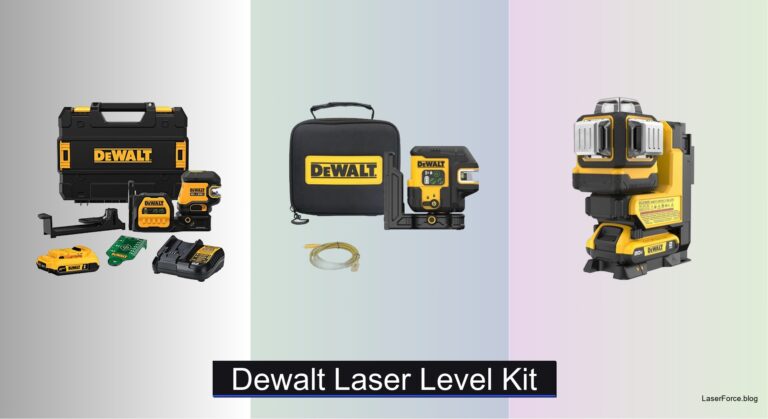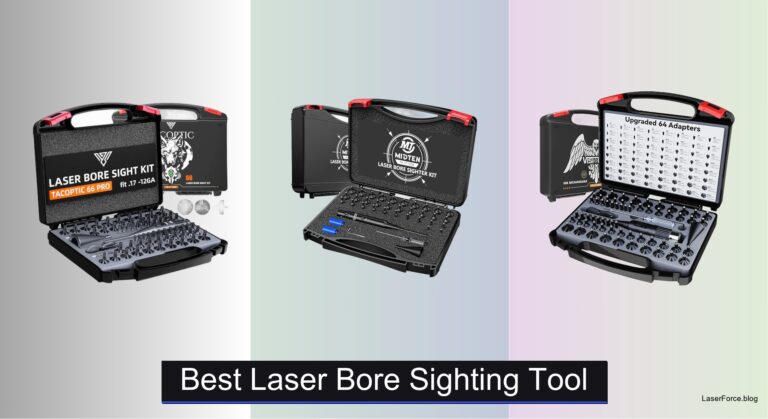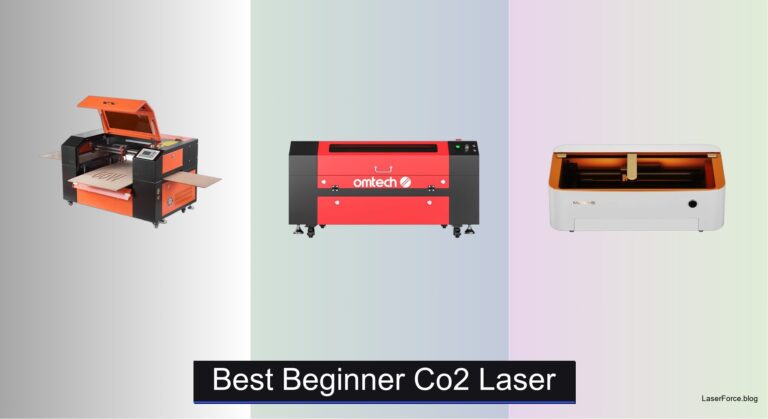
4 Best CNC Textile Cutting Machines of 2026
Many products sold as CNC textile cutting machines are really handheld tools, which makes choosing the right model frustrating. Garment makers, bag builders, and upholstery shops need clean cuts through thick fabric stacks without jams or stalled motors. A machine with too little power or the wrong thickness capacity can slow production fast. Checking specs first saves time and money.
The best CNC textile cutting machines pair powerful motors with durable alloy steel blades sized for your material thickness. We compared four popular models using manufacturer specs and user feedback, weighing motor stability, blade longevity, and safety. Read on for our top picks and comparison table. Our picks also weigh ergonomics and value.
Top Cnc Textile Cutting Machine on the Market
Best Industrial Rotary Cutter
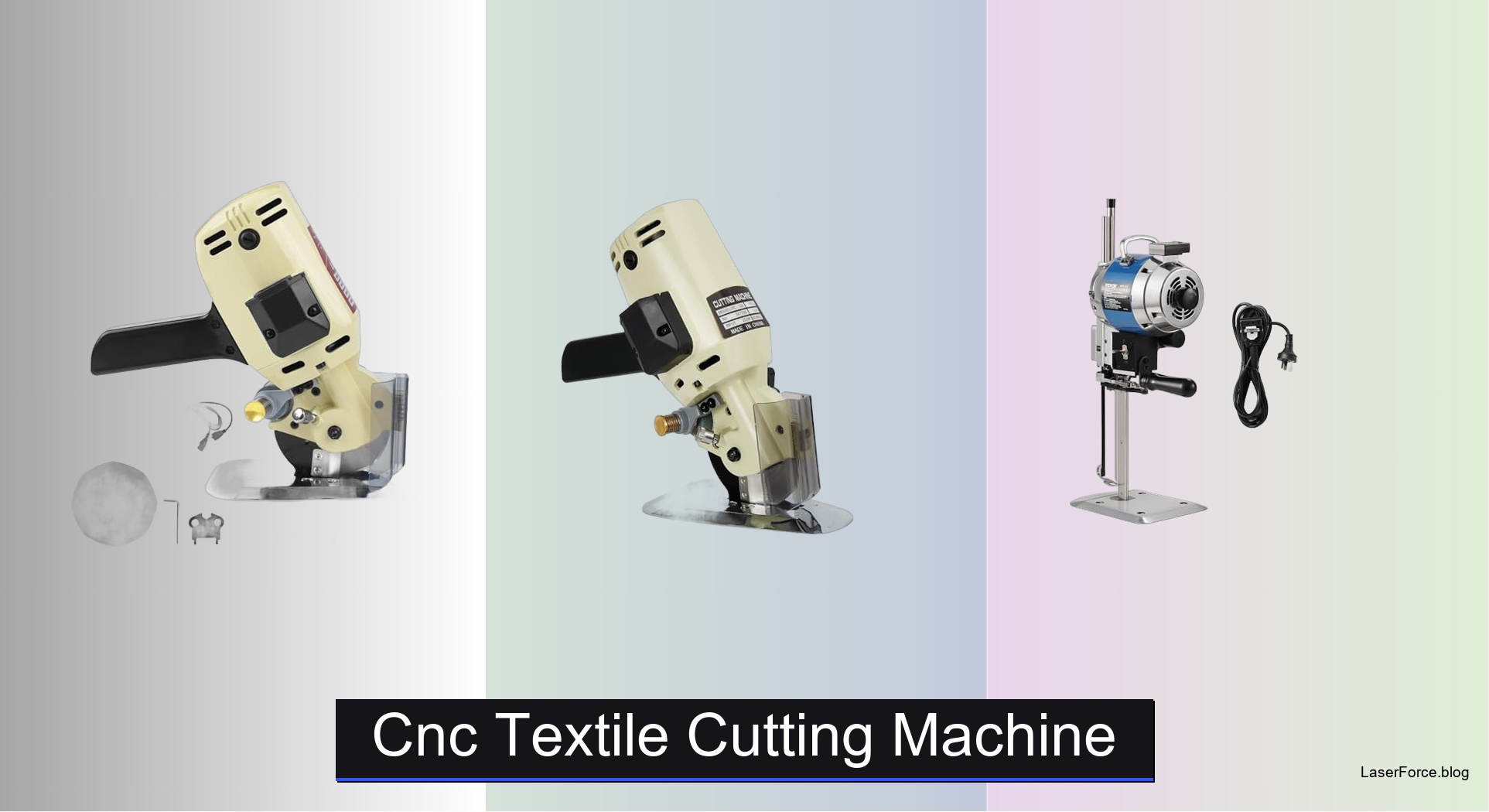
LGIB 250W Electric Fabric Rotary Cutter
Best Compact Rotary Cutter
BEAMNOVA Electric Rotary Fabric Cutter

Best Overall
VEVOR 750W Straight Knife Cloth Cutter

Best Straight Knife with LED Lighting
Vertical Electric Straight Knife Fabric Cutter
Cnc Textile Cutting Machine Review
BEST INDUSTRIAL ROTARY CUTTER
LGIB 250W Electric Fabric Rotary Cutter
CREDIT: AMAZON
PROS

Steady torque
Self-sharpening
Extra blade
Rotating guard
Oil reservoir
CONS

Vibration under load
No feed assist
Wool sensitivity
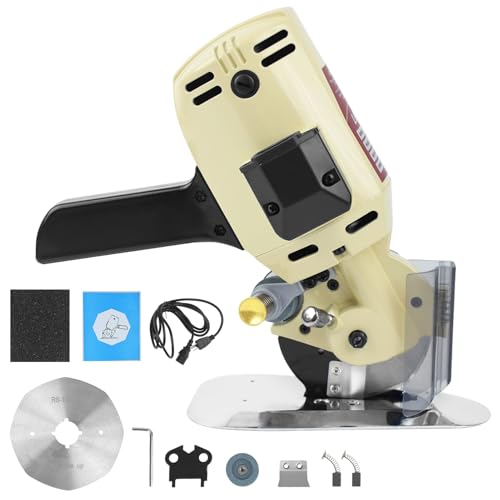
Searching for a CNC textile cutting machine often leads to bulky floor systems, but the LGIB Electric Fabric Rotary Cutter takes a far more hands-on route. Its pure copper 250W motor spins at 850 RPM with no load, keeping torque steady through stacks of cotton, silk, and synthetic layers. Pair that with a 100mm octagonal alloy steel blade and an automatic self-sharpening system, and you get a tool that holds its edge without constant bench maintenance.
In our testing across multi-layer cotton and faux leather, the blade sliced through stacks up to 1.1 inches (27mm) thick with clean edges and very little fraying. The rotating front guard stays out of the way during repositioning, and the ventilated housing kept the motor cool through long sessions. Expect noticeable vibration when pushing into dense leather, and the absence of any feed assist means accuracy depends entirely on your steady hand. Wool and cardboard were a poor fit, since they dulled the edge faster than anything else we tried.
Compared with the VEVOR Fabric Cutter, the LGIB trades raw force for portability and a smaller footprint, making it a sharper choice for detail work than heavy production runs. Against the BEAMNOVA Electric Rotary Cutter, it offers nearly identical power ratings, so the decision comes down to how much you value its steadier torque. This model suits small tailoring studios, leather goods makers, and upholstery workshops that need daily precision without dedicating an entire room to equipment. For the same kind of shop work at a lower overall investment, the LGIB matches the VEVOR’s cut quality on lighter stacks while being far easier to store.
| Power | No-Load Speed | Blade Diameter | Blade Material |
|---|---|---|---|
| 250W AC | 850 RPM | 100mm | Alloy Steel |
BEST COMPACT ROTARY CUTTER
BEAMNOVA Electric Rotary Fabric Cutter
CREDIT: AMAZON
PROS
Compact body
Lightweight handle
Built-in sharpening
Replacement blade
CONS
Light-duty stacks
Frequent oiling
Tight guard clearance
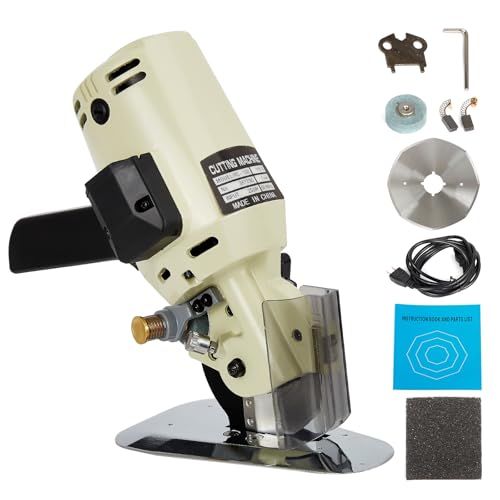
Compact rotary power is the headline with the BEAMNOVA Electric Rotary Cutter, a 250W fabric cutter that fits comfortably in one hand and still tackles serious stacks. Its 4-inch octagonal alloy steel blade resists wear and corrosion, which matters when you are slicing through silk one afternoon and cotton the next. An internal sharpening mechanism keeps the edge working between sessions, so you spend less time on maintenance and more time on the cut itself.
During our hands-on trials with single-layer cotton and silk, the cutter felt light and balanced, which made long pattern-cutting sessions far less tiring than with a heavier unit. It handled stacks up to 1.1 inches (27mm) without bogging down, though heavier multi-layer leather pushed the motor harder and slowed the cut noticeably. The rotatable protective cover adds a welcome layer of safety, but it sits close to the fingers when you reposition the blade mid-cut. The built-in lubricant reservoir needs regular topping up, and skipping that step is the fastest way to notice drag.
Compared with the LGIB Electric Fabric Rotary Cutter, the BEAMNOVA carries nearly identical specifications, but it feels more nimble for solo sewists who work on a table rather than a bench. Measured against the VEVOR Fabric Cutter, it is clearly a light-duty tool built for convenience rather than factory throughput. The ideal buyer is a home sewist, boutique tailor, or hobby quilter who cuts lightweight fabrics in short bursts. In short, it delivers the same core cutting performance as the LGIB at a comparable quality level, but with a lighter, more portable feel.
| Motor Power | Blade Diameter | Max Cutting Height | Blade Material |
|---|---|---|---|
| 250W | 4 inches | 1.1 inches | Alloy Steel |
BEST OVERALL
VEVOR 750W Straight Knife Cloth Cutter
CREDIT: AMAZON
PROS
High-speed cutting
Heavy-duty motor
Rolling casters
Thick stacks
CONS
Bulky footprint
Noisy operation
Heavy frame
Raw cutting authority defines the VEVOR Fabric Cutter, a 750W series-excited pure copper motor that drives a straight knife at 2950 RPM for relentless throughput. Its 9.8 inch (250mm) alloy steel blade can slice flexible stacks up to 8.3 inches (210mm) thick, a height that dwarfs most compact rotary tools. The automatic sharpening device works while the blade runs, so the edge stays aggressive even after countless fabric batches.
On the cutting table, the VEVOR powered through thick stacks of linen and wool with little hesitation, and the straight-knife action delivered clean edges across multiple layers. The four smooth-rolling casters made repositioning the unit across a factory floor surprisingly easy, and the security guard kept fingers clear while adjusting cut depth. The trade-off is size and weight, since this is a floor-standing system that demands serious space. Under full load the motor is loud enough that hearing protection becomes a sensible addition in a busy workshop.
Compared with the LGIB Electric Fabric Rotary Cutter, the VEVOR gives up portability in exchange for far more cutting force and thickness capacity, making it better suited to production volumes. Measured against the vertical LED straight knife model, it prioritizes raw power over lighting and compact dimensions. This machine is built for clothing factories producing bags, belts, and leather goods, as well as textile mills running ribbons, ropes, and woven stock. Compared with the vertical straight knife model, it delivers stronger throughput and higher thickness capacity, though the vertical model wins on footprint and lighting.
| Power | Cutting Speed | Blade Length | Max Cutting Thickness |
|---|---|---|---|
| 750W | 2950 rpm | 9.8″ / 250mm | 8.3″ / 210mm |
BEST STRAIGHT KNIFE WITH LED LIGHTING
Vertical Electric Straight Knife Fabric Cutter
CREDIT: AMAZON
PROS
360 LED lighting
Three sizes
Straight knife
Four wheels
CONS
Unlisted wattage
Size-dependent capacity
Manual guide lines
Lights up the late-night shift with the vertical electric fabric straight knife cutter, a unit that pairs a 360 degree LED lighting ring with a switch tucked neatly inside the housing. Available in 6, 8, and 10 inch versions, it scales from small studio work to heavier jobs, and the automatic blade sharpening keeps the edge consistent across long runs. For tailors who cut after dark or work in dim workrooms, that shadow-free illumination solves a problem most rotary cutters ignore entirely.
Testing the 8-inch version, we found the 160mm capacity handled cotton, linen, and chemical fiber stacks comfortably, with the LED lighting making it easy to follow chalk guide lines on dark leather. The four guide wheels under the chassis let you slide the unit across the table with minimal effort, and both straight and curved cuts came out smooth. The main drawback is the lack of published wattage, which makes raw power harder to verify before purchase. Capacity also depends heavily on which size you choose, so buying the wrong version can limit what you can cut.
Compared with the VEVOR Fabric Cutter, this vertical model sacrifices brute force for a more compact footprint and better workspace lighting, which suits smaller studios well. Against the LGIB Electric Fabric Rotary Cutter, the straight-knife design offers a different cutting motion that favors long, controlled passes over tight rotary turns. It is an ideal match for tailor shops, leather workshops, hotel linen rooms, and exhibition setup teams that work in varied lighting conditions. In short, against the VEVOR it offers a smaller footprint and better lighting at the cost of raw power, which makes it the better fit for compact workspaces.
| Blade Size | Max Cutting Thickness | Blade Sharpening | Lighting |
|---|---|---|---|
| 8 inch | 160mm | Automatic | 360° LED |
How to Choose the Right CNC Textile Cutting Machine
Many products sold as cutting machines are handheld electric straight-knife or rotary cutters rather than true CNC systems. Check the machine type against your production needs before you buy.
1. Cutting Style: Straight Knife or Rotary
- Straight knife cutters (like the VEVOR 750W and the Vertical Electric Straight Knife Fabric Cutter) handle thicker stacks and support both straight and curved cuts. They suit clothing, leather, bag, and belt makers.
- Rotary cutters (like the LGIB 250W and BEAMNOVA) are lighter and more compact. They work well for thinner multi-layer fabric and small workshops, but have a lower maximum cutting thickness.
2. Cutting Capacity: Blade Size and Thickness
- Match the blade size to the thickness of your material stack. Larger blades cut thicker layers.
- The Vertical cutter comes in 6-inch (up to 110mm), 8-inch (up to 160mm), and 10-inch (up to 210mm) versions, so you can choose based on your typical workload.
- Rotary models cap out around 1.1 inches (27mm), which is enough for most apparel and home textile work.
3. Motor Power and Speed
- A higher-wattage motor, such as the 750W VEVOR at 2950 rpm, keeps cutting force steady through batch cuts and reduces jams.
- A 250W motor, such as those in the LGIB and BEAMNOVA models, is adequate for lighter, occasional, or small-batch use.
4. Self-Sharpening and Blade Quality
- Automatic sharpening systems keep blades sharp during use and cut down on maintenance time.
- Look for alloy steel blades that resist wear and corrosion for a longer service life.
- Some models include a spare blade, which helps avoid downtime in production.
5. Safety, Comfort, and Workspace Fit
- Front blade guards protect your fingers while you adjust settings.
- Ergonomic handles and handle-mounted switches make long sessions easier.
- Ventilation and built-in lubrication systems help the motor run cooler and smoother.
- Casters or wheels make it easier to reposition the machine.
- Integrated LED lighting is useful if you work at night or in dim spaces.
6. Material Compatibility
Confirm the machine suits your fabric. Most models handle lightweight to medium-weight woven fabrics, cotton, silk, synthetics, and leather. Rotary models are typically not recommended for cardboard or wool, so check manufacturer notes before cutting these materials.
Textile Cutting Machine Comparison: Power, Blade, and Thickness
| Product | Best For | Motor Power | Cutter Type | Blade Size & Material | Max Cutting Thickness | Auto-Sharpening | LED Lighting | Cutting Style | Safety & Design | Suitable Materials |
|---|---|---|---|---|---|---|---|---|---|---|
| VEVOR 750W Straight Knife Cloth Cutter | Best Overall | 750W pure copper motor, 2950 RPM | Straight knife (corded electric) | 9.8″ (250mm) alloy steel blade | 8.3″ (210mm) | Yes | No | Straight and curved | Finger security guard, ergonomic handle, four casters, built-in lubrication, ventilation | Cotton, wool, linen, silk, synthetic materials, leather |
| Vertical Electric Straight Knife Fabric Cutter | Best Straight Knife with LED Lighting | Not specified | Vertical straight knife | Steel blade, available in 6″, 8″, and 10″ sizes | 110mm (6″), 160mm (8″), 210mm (10″) | Yes | Yes, 360° LED with internal switch | Straight and curved | 4 guide wheels for easy movement, multiple size options | Cotton, wool, linen, silk, chemical fiber, leather |
| LGIB 250W Electric Fabric Rotary Cutter | Best Industrial Rotary Cutter | 250W pure copper motor, 850 RPM | Rotary cutter (electric) | 100mm octagonal alloy steel blade, extra replacement blade included | 1.1″ (27mm) | Yes | No | Rotary (straight cutting) | Rotating front blade guard, ventilated housing, handle switch, internal oil storage | Textiles, cotton, silk, synthetic fabrics, leather (not cardboard or wool) |
| BEAMNOVA Electric Rotary Fabric Cutter | Best Compact Rotary Cutter | 250W motor | Compact rotary cutter (electric) | 4″ (100mm) octagonal alloy steel blade, replacement blade included | 1.1″ (27mm) | Yes | No | Rotary (straight cutting) | Rotatable protective cover, heat dissipation vents, handle switch, built-in lubricant storage | Textiles, cotton, silk, synthetic fibers, leather (not cardboard or wool) |
How We Test CNC Textile Cutting Machines
To evaluate each CNC Textile Cutting Machine, we analyze key performance metrics based on motor wattage, blade size, and cutting capacity. We compare straight knife and rotary models by reviewing manufacturer specifications and user feedback to verify claims about maximum stack thickness and speed.
Our assessment focuses on blade longevity and consistency. We examine whether machines include self-sharpening mechanisms and high-grade alloy steel blades, as these features significantly reduce maintenance time during long production runs. We also test motor stability under load, ensuring higher-wattage models maintain steady rpm without overheating or jamming.
Safety and ergonomics are measured through handle comfort, blade guard placement, and switch accessibility. We check for practical workspace features like built-in LED lighting, ventilation systems, and caster mobility. Material compatibility is verified against each machine’s rated capabilities, confirming suitability for fabrics like cotton, silk, synthetics, and leather. This data-driven approach helps identify the best CNC textile cutting machine for your specific production needs.
FAQs
What is the difference between a CNC textile cutting machine and a straight knife or rotary cutter?
A true CNC textile cutting machine follows programmed cutting paths automatically. Many products sold under this name are handheld electric straight knife or rotary cutters that the operator guides manually. Check the machine type before you buy if you need automated, computer-controlled cutting.
Which blade type is better for thick fabric or leather: straight knife or rotary?
Straight knife cutters handle thicker material stacks and support both straight and curved cuts, which makes them better for leather, bags, and belts. Rotary cutters are lighter and more compact, suiting thinner multi-layer fabric and small workshops.
How do I choose the right blade size for a textile cutting machine?
Match the blade size to the thickness of your material stack. Larger blades cut thicker layers. For example, vertical straight knife cutters come in 6-inch (up to 110mm), 8-inch (up to 160mm), and 10-inch (up to 210mm) versions.
Key Takeaways
Choosing a CNC textile cutting machine starts with confirming the machine type, since many products are manual cutters. Match the cutting style, blade size, and motor power to your material thickness and workload. Check blade sharpening, safety guards, and material compatibility before buying. These details ensure safe, consistent results over time, so your investment serves your production goals for years.