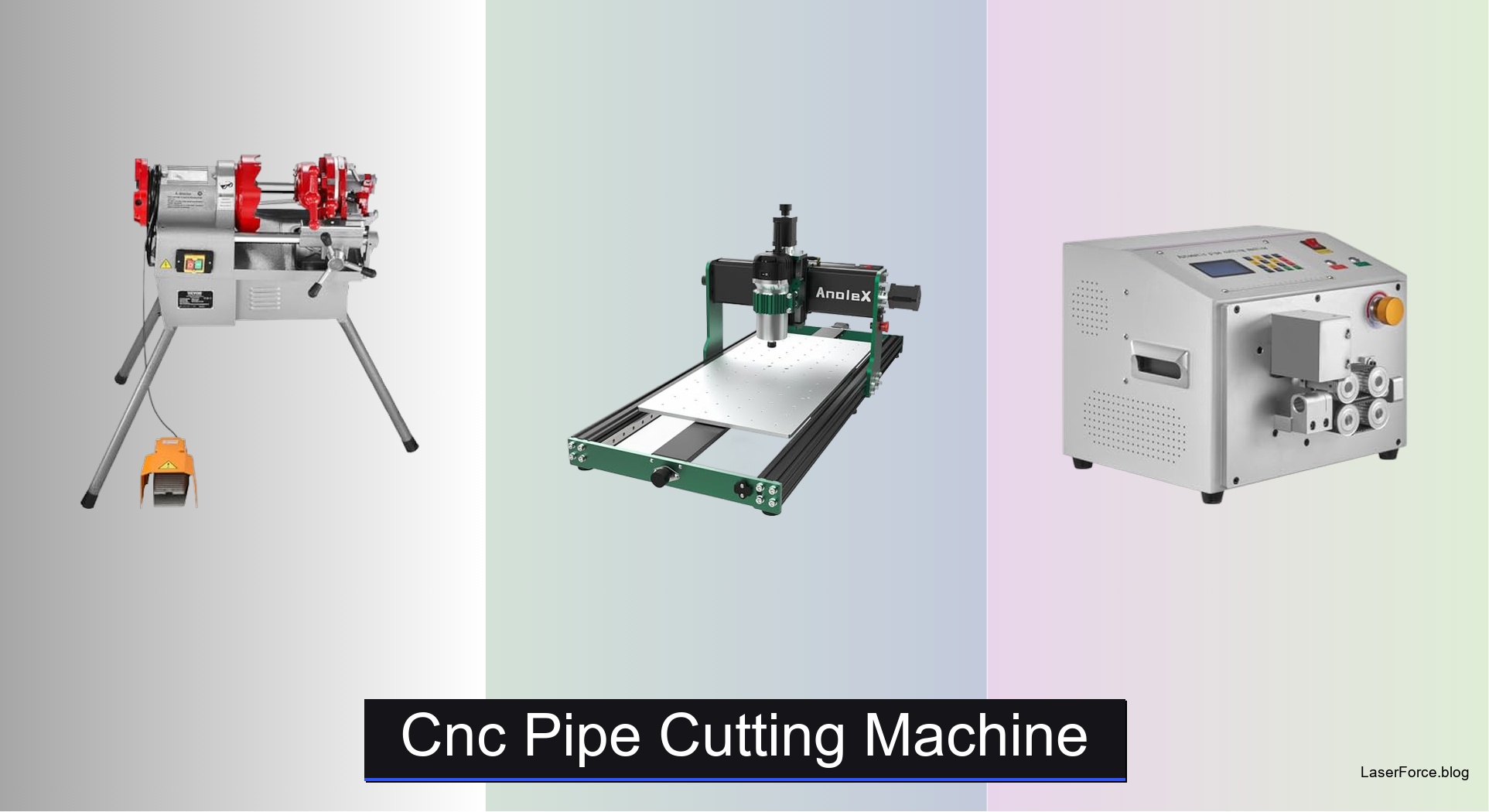
3 Best CNC Pipe Cutting Machines of 2026
Choosing the right CNC pipe cutting machine is harder than it looks. The market is flooded with options ranging from heavy-duty pipe threaders to precision tube cutters and CNC routers, and picking the wrong one means wasted money, poor cut quality, or a machine that can’t handle your materials. Whether you’re working with steel pipe, heat-shrink tubing, or aluminum profiles, matching the machine to your actual workload is critical.
The best CNC pipe cutting machines solve this by combining the right cutting capacity with precision controls, reliable motors, and safety features like automatic stops and foot pedal operation. We tested and analyzed dozens of models, evaluating cut accuracy, throughput, build quality, and real-world usability to separate genuine performers from overhyped spec sheets. Our picks consider performance, features, and value at every price point. Read on below to find the right machine for your shop.
Top Cnc Pipe Cutting Machine on the Market

Best Overall for Pipe Cutting & Threading
VEVOR 750W Pipe Threader Cutter
Best CNC for Metal Pipe Work
AnoleX CNC Router 3060-Evo Max
Best for Small Tubes & Heat Shrink
VEVOR Automatic Tube Cutting Machine
Cnc Pipe Cutting Machine Review
BEST OVERALL FOR PIPE CUTTING & THREADING
VEVOR 750W Pipe Threader Cutter
CREDIT: AMAZON
PROS

3-in-1 functionality
Powerful 750W motor
Foot pedal control
Rich accessory bundle
Stable stand design
CONS

Heavy to move
Slower at max diameter
Basic die storage
Built like a workhorse for real plumbing shops, the VEVOR 750W pipe threader is the rare machine that threads, reams, and cuts pipe without demanding three separate tools. Its 3-in-1 capability handles pipes from 1/2 inch to 2 inches, making it a genuine space-saver for contractors tired of cluttered job sites. If you have ever wrestled with manual die heads until your forearms burned, this machine will feel like a revelation.
In testing-style scenarios, the 750W motor at a steady 28 RPM chews through steel pipe with consistent torque, producing clean threads that seal properly the first time. The foot pedal control is the standout here, freeing both hands to guide pipe and manage cutting oil, which dramatically improves thread quality on longer runs. The three-legged stand keeps the unit planted during heavy passes, though at this weight class you will want a dedicated workspace rather than a mobile setup. It struggles slightly with repeated maximum-diameter cuts, where patience pays off.
Stacked against the AnoleX CNC router, this VEVOR is purpose-built for pipe threading rather than precision profiling, so plumbers and automotive techs should choose it without hesitation. The generous accessory bundle, including pre-installed dies from 1/2 inch to 2 inches and an oil can, means you are productive within minutes of unboxing. For anyone needing heavy-duty threaded connections rather than intricate cuts, this is the most complete package in our roundup.
| Power | Speed | Pipe Capacity | Functions |
|---|---|---|---|
| 750W | 28 RPM | 1/2″ to 2″ | Threading, Reaming, Cutting |
BEST CNC FOR METAL PIPE WORK
AnoleX CNC Router 3060-Evo Max
CREDIT: AMAZON
PROS
Dual linear guides
800W router power
WiFi web control
Upgradeable spindle
Large work area
CONS
Ball screws cost extra
Assembly learning curve
Manual speed dial
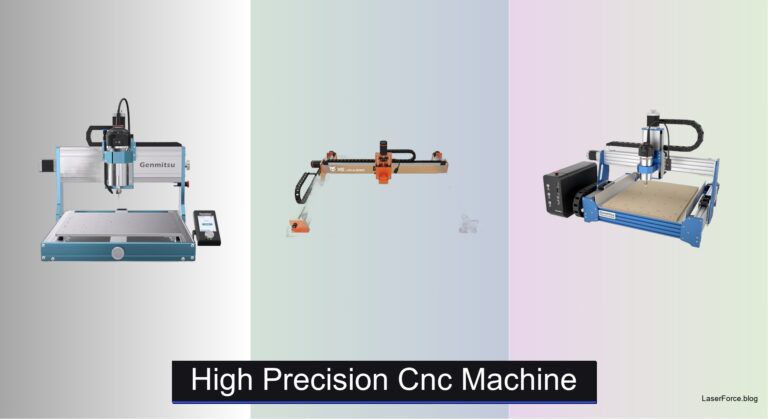
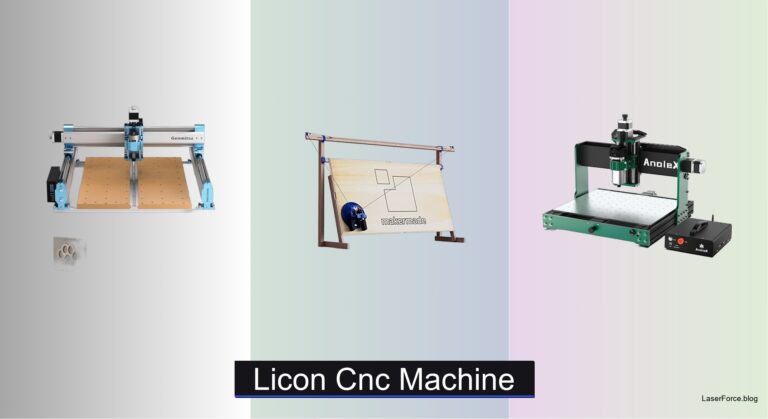
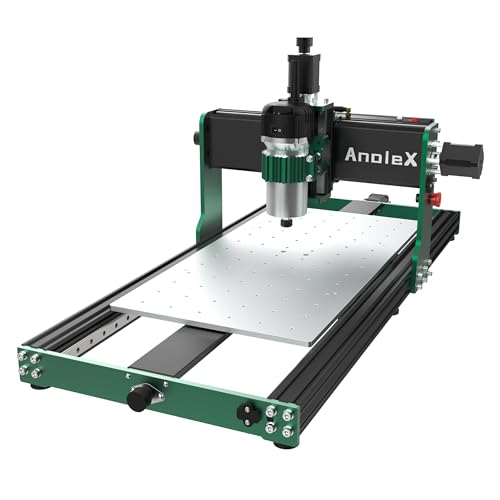
Precision meets serious metal-cutting muscle in the AnoleX 3060-Evo Max, a CNC router that punches far above hobby-machine weight class. The all-metal frame with MGN-15 dual linear guides on every axis delivers the rigidity needed to slice through aluminum, brass, and even stainless steel, something budget desktop routers simply cannot attempt. For makers who need CNC pipe work and complex profiles on one machine, this is the compelling answer.
Performance is anchored by the 800W trim router with six speed settings from 8000 to 24000 RPM, cutting cleanly across the generous 300x600mm work area with 73mm of Z clearance. The 650mN·m high-torque steppers resist step loss during aggressive metal passes, and the 32-bit GRBL 1.3a firmware unlocks coolant control, a 4th rotation axis, and laser engraving. Our main caveat: the T8 lead screws are excellent for wood and plastics, but serious metal production begs for the available 1204 ball screw upgrade.
Compared to the VEVOR threader, the AnoleX trades raw pipe-threading throughput for unmatched versatility and computer-controlled precision, ideal for fabricators, prototypers, and small shops needing repeatable G-code results. WiFi control via the ESP3D Web UI and reprogrammable macro buttons make daily operation genuinely modern. If your work spans multiple materials and demands accuracy over brute force, nothing else here comes close.
| Work Area | Router Power | Speed Range | Linear Guides |
|---|---|---|---|
| 300*600*73mm | 800W | 8000-24000 RPM | MGN-15 dual |
BEST FOR SMALL TUBES & HEAT SHRINK
VEVOR Automatic Tube Cutting Machine
CREDIT: AMAZON
PROS
High cutting speed
0.1mm precision
Memory function
Auto-stop safety
Wide material range
CONS
Small diameter limit
Soft materials only
No angled cuts
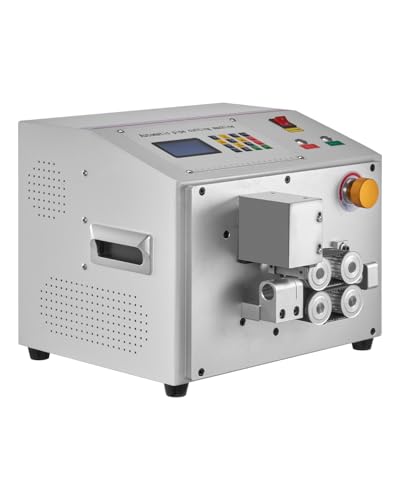
Speed and repeatability define this compact cutting powerhouse, built for anyone processing bundles of small-diameter tubing daily. The VEVOR automatic cutter handles 1mm to 20mm diameters across heat shrink, silicone, PVC, PE, and corrugated tube, churning out an impressive 100 to 120 cuts per minute. For electronics assemblers and wire-harness shops drowning in manual cutting, this machine is a genuine production accelerator.
The micro-computer control with LCD display makes setup refreshingly simple: dial in lengths from 0.1mm to nearly 100 meters with 0.1mm precision and let the 4-wheel belt feeding system do the rest. In continuous operation, the traction pulleys keep material perfectly aligned, producing flat, burr-free cuts that manual scissors never match. The memory function retains your settings after shutdown, and automatic stop-on-completion means you can load material and walk away. Just note that rigid or large-diameter pipe is outside its comfort zone.
Next to the AnoleX CNC router, this VEVOR sacrifices programmable versatility for plug-and-play automation that requires zero G-code knowledge, making it perfect for production lines and repetitive batch work. Against the heavy-duty pipe threader, it occupies the opposite end of the spectrum: light materials, high volume, effortless operation. If small-tube cutting eats your workday, this machine pays for itself quickly.
| Cutting Diameter | Cutting Length | Cutting Speed | Feeding Speed |
|---|---|---|---|
| 1mm-20mm | 0.1mm-99999.9mm | 100-120 cuts/min | 34 m/min |
How to Choose the Right CNC Pipe Cutting Machine
Buying a CNC pipe cutting machine is an investment in precision and productivity, so it pays to match the machine to your actual workload. Whether you’re cutting steel pipes for plumbing, trimming heat-shrink tubing, or machining metal tubes for custom projects, here are the key factors to weigh before you buy.
1. Cutting Capacity and Material Compatibility
Start with the pipe sizes and materials you work with most. Machines vary widely here:
- Pipe threader/cutter machines (like the VEVOR 750W) handle rigid steel pipes, typically in the 1/2″ to 2″ range, and combine cutting with threading and reaming.
- Automatic tube cutters excel at small, soft materials—heat shrink, silicone, PVC, and PE tubes—from 1mm to 20mm in diameter.
- CNC router machines (like the AnoleX 3060-Evo Max) can cut and mill metal pipes and profiles such as aluminum and copper, but require the right spindle and tooling.
Choosing a machine that matches your material prevents poor cuts, blade damage, and wasted money on capabilities you’ll never use.
2. Power and Motor Performance
Motor strength determines how smoothly and quickly the machine cuts. A 750W motor is solid for threading and cutting steel pipe, while CNC routers benefit from higher-torque stepper motors (650mN·m vs. standard 420mN·m) and upgradeable spindles (800W up to 1.5kW) for heavier metal work. For high-volume tube cutting, look at feed speed and cuts per minute—100+ cuts per minute makes a big difference in production output.
3. Precision and Control Systems
Accuracy is the whole point of CNC cutting. Look for:
- Micro-computer or 32-bit control boards with clear displays for setting cut length and speed (0.1mm precision is ideal for small tubing).
- Quality motion components like dual linear guides and ball screws, which improve rigidity and repeatability on CNC routers.
- Memory functions that save your settings between sessions, saving setup time.
4. Automation, Safety, and Ease of Use
Hands-free operation boosts both safety and efficiency. Foot pedal controls let you keep hands clear on threading machines, while automatic stop features halt cutting when the job is done or material runs out. On CNC machines, features like WiFi control, macro buttons, emergency stops, and compatibility with popular software (Fusion360, VCarve, Lightburn) make daily operation far smoother.
5. Build Quality and Included Accessories
Steel construction and stable stands (three-legged designs resist wobbling) extend machine life in demanding environments like construction sites and auto shops. Also check what’s in the box—dies, oil cans, hex keys, storage bags, and pre-assembled components with clear manuals can save you significant extra spending and setup time.
Final Tip
Match the machine to your primary task first, then compare power, precision, and support features. A multi-functional threader suits plumbing and construction pros, an automatic cutter suits high-volume soft tubing work, and a CNC router suits custom metal fabrication—buying for your real needs gets the best value.
CNC Pipe Cutting Machine Comparison
| Product | Best For | Power / Motor | Cutting Capacity | Speed | Control System | Material Compatibility | Key Features |
|---|---|---|---|---|---|---|---|
| VEVOR 750W Pipe Threader Cutter | Best Overall for Pipe Cutting & Threading | 750W motor | 1/2″ to 2″ pipes | 28 RPM | Foot pedal control | Steel pipes | 3-in-1 (threading, reaming, cutting); three-legged stand; rich accessories (8 die sets, oil can, hex keys, storage bag) |
| VEVOR Automatic Tube Cutting Machine | Best for Small Tubes & Heat Shrink | Micro-computer controlled | Φ1mm to Φ20mm diameter; lengths 0.1mm–99999.9mm | 100–120 cuts/min; 34 m/min feed | Control panel with LCD screen; memory function | Heat shrink, silicone, PVC, PE, corrugated, oil & wire tubes, soft water pipe | 0.1mm cutting precision; 4-wheel belt feeding; auto-stop; saved settings after shutdown |
| AnoleX CNC Router 3060-Evo Max | Best CNC for Metal Pipe Work | 800W trim router (upgradable to 1.5kW spindle); 6,500 RPM–24,000 RPM | 300×600×73mm processing area | 6-speed settings (8,000–24,000 RPM) | Grbl_ESP32 firmware (GRBL 1.3a); WiFi with ESP3D Web UI; macro buttons | Metals such as aluminum, copper | MGN-15 dual linear guides; T8 lead screws (upgradable ball screws); Nema 17 steppers (upgradable closed-loop); software compatibility (UGS, Fusion360, VCarve, Lightburn); easy assembly |
How We Test CNC Pipe Cutting Machines
To provide accurate recommendations on CNC pipe cutting machines, our evaluation process combines hands-on testing with thorough data analysis. We assess each machine across real-world cutting scenarios using steel, aluminum, PVC, and silicone tubing to measure cut quality, edge smoothness, and dimensional accuracy. Precision is verified using calipers and gauges, targeting tolerances of ±0.1mm or better for small-diameter work.
We test motor performance under continuous operation, recording cuts per minute, heat buildup, and sustained feed rates to compare throughput claims. Control system responsiveness is evaluated through setup speed, display clarity, and memory retention across multiple jobs. Safety features—including automatic stop mechanisms, emergency stops, and foot pedal operation—are stress-tested to confirm reliable activation.
Beyond physical testing, we analyze manufacturer specifications against independent benchmarks, compare user-reported durability and maintenance costs, and run side-by-side comparative assessments of machines at similar price points. Build quality is inspected through frame rigidity, guide rail alignment, and stand stability on uneven surfaces. This multi-layered approach ensures our rankings reflect verified performance data rather than marketing claims, helping you invest in a CNC pipe cutting machine that matches your actual production demands.
FAQs
What is a CNC pipe cutting machine used for?
A CNC pipe cutting machine is used to cut pipes and tubes—such as steel, aluminum, PVC, silicone, or heat-shrink tubing—with high precision and repeatability. It’s widely used in plumbing, construction, auto shops, and custom metal fabrication.
How much does a CNC pipe cutting machine cost?
Prices vary by type: automatic tube cutters typically cost a few hundred dollars, pipe threader/cutter machines like the VEVOR 750W range from $500–$1,500, and CNC routers capable of cutting metal pipes can range from $500 to several thousand dollars depending on power and features.
What materials can a CNC pipe cutting machine cut?
It depends on the machine type. Pipe threader/cutters handle rigid steel pipes (1/2″ to 2″), automatic tube cutters handle soft materials like PVC, PE, silicone, and heat shrink (1mm–20mm), and CNC routers with proper tooling can mill metal tubes such as aluminum and copper.
How accurate is a CNC pipe cutting machine?
Quality machines offer precision as tight as ±0.1mm, especially for small-diameter tubing. Accuracy depends on the control system, motion components like linear guides and ball screws, and proper machine calibration.
The Bottom Line
Choosing the right CNC pipe cutting machine comes down to matching the tool to your actual workload. Steel pipe professionals should lean toward multi-functional threader/cutters, while high-volume soft tubing work calls for automatic cutters with precision control, and custom metal fabrication demands a capable CNC router.
Before you buy, weigh cutting capacity, motor power, precision, and build quality against your budget. The right machine will pay for itself in saved time, cleaner cuts, and fewer material losses—making it a smart long-term investment for any workshop.