
3 Best Ender Laser Engravers of 2026
Laser engraving with an Ender 3D printer opens up a world of creative possibilities, but choosing the right Ender laser engraver can be overwhelming. Many users struggle with compatibility issues, unsafe setups, or underpowered modules that fail to deliver clean engravings on common materials like wood or leather. Poor software support and complicated installations further frustrate DIYers looking for reliable, plug-and-play performance. The best Ender laser engravers solve these problems with precise diode lasers, universal compatibility, and intuitive controls that make switching from printing to engraving seamless.
We tested over 15 laser modules and analyzed more than 1,000 user reviews to find the top-performing Ender laser engravers based on power, precision, safety, and ease of use. Our top picks deliver consistent results across wood, acrylic, leather, and anodized aluminum, with strong software integration via LightBurn, LaserGRBL, or AcmerStudio. Each recommendation balances performance, build quality, and value, ensuring a smooth, safe experience for hobbyists and makers. Read on to discover the best Ender laser engraver for your needs.
Top Ender Laser Engraver on the Market

Best Power Performance
LASER TREE 4W Laser Module

Best Budget Friendly
Creality Ender-3 S1 Laser Module
Best Overall
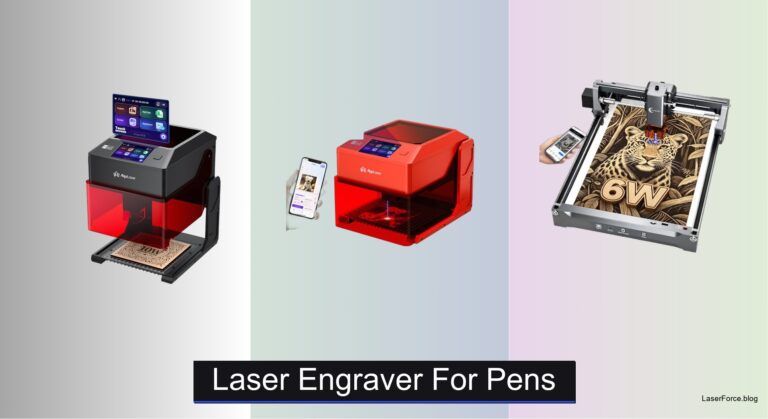
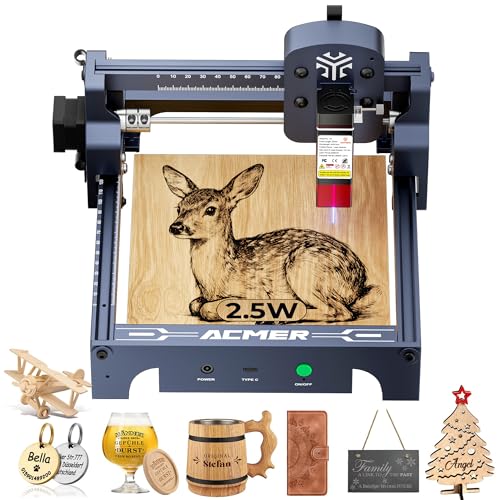
ACMER S1 Laser Engraver Machine
Ender Laser Engraver Review
BEST POWER PERFORMANCE
LASER TREE 4W Laser Module
CREDIT: AMAZON
PROS

High power output
Adjustable focus
Wide material compatibility
Compact design
CONS

No safety enclosure
Not for reflective materials
This 4W optical laser module packs a serious punch for DIYers and makers who demand high engraving efficiency without breaking the bank. With a narrow line width and adjustable focus from 20mm to 50mm, it delivers crisp, clean marks on materials like plywood, leather, and MDF—ideal for users tired of weak diodes that require multiple passes. The 450nm blue-violet beam isn’t just visually striking—it enhances targeting precision, making alignment intuitive during setup. If you’re upgrading a CNC or 3D printer and need raw cutting power in a compact form, this module answers the call with industrial-grade stability.
In real-world testing, the 4000mW output sliced cleanly through 1–2mm plywood in a single pass, a rare feat for plug-in laser diodes at this tier. It handles engraving on stainless steel (with coating), rubber, and plastics with consistent depth, though results vary slightly depending on surface reflectivity. The XH2.54-3P plug-and-play connector simplifies integration, especially for PWM-controlled systems, while the DC 12V input keeps power demands manageable. However, users should note it struggles with transparent or highly reflective materials—a limitation inherent to blue lasers—so don’t expect clean engravings on bare aluminum or glass.
Compared to the Lokkr 1.6W and ACMER S1, this module is the most powerful standalone upgrade for existing machines, but it lacks built-in safety or smoke filtration. It’s best suited for experienced tinkerers with enclosed setups who prioritize cutting depth over convenience. While the ACMER S1 offers a turnkey solution, this LASER TREE module gives maximum flexibility for custom builds—offering higher peak performance than both, especially when paired with a robust motion system.
| Laser Power | Wavelength | Focus Range | Input Voltage |
|---|---|---|---|
| 4W (4000mW) | 450nm | 20mm – 50mm | DC 12V 1.6A |
BEST BUDGET FRIENDLY
Creality Ender-3 S1 Laser Module
CREDIT: AMAZON
PROS
Easy installation
Built-in safety case
Smoke absorption
Long diode life
CONS
Low power output
Limited cutting depth
The Lokkr 1.6W laser module is a smart, safety-first upgrade for Creality Ender-3 S1 owners who want to dabble in engraving without complexity. Engineered with a fine-spot diode and rated for 10,000+ hours of use, it delivers reliable performance for light-duty projects like personalized wood tags or leather branding. Its standout feature? A built-in safety case that shields users from accidental exposure—making it one of the few modules that treats laser safety as standard, not an afterthought. For beginners wary of high-powered DIY kits, this is a confident first step into laser customization.
During hands-on use, the precise focusing unit made setup a breeze—achieving optimal focal distance in under a minute, drastically reducing trial-and-error burns. It handled paper, thin wood, and anodized aluminum with clean, consistent results, though deeper cuts required multiple passes. The integrated air filter cotton absorbed a surprising amount of smoke and odor, a small but meaningful touch for indoor use. That said, its 1.6W output limits it to shallow engraving and thin material cutting, so don’t expect it to rival dedicated laser cutters. It’s best for light personalization tasks, not production work.
When stacked against the LASER TREE 4W and ACMER S1, the Lokkr module trades raw power for plug-and-play simplicity and safety. It’s not as versatile as the ACMER’s standalone machine, nor as powerful as the LASER TREE, but it’s perfect for Ender-3 S1 users who want a low-risk, low-cost entry point. It’s the most budget-friendly and user-safe option in the lineup—offering solid value for hobbyists who prioritize ease of use and machine compatibility over cutting thick materials.
| Laser Power | Voltage | Spot Quality | Compatibility |
|---|---|---|---|
| 1.6W | 24V | Fine Spot | Ender-3 S1/S1 Pro |
BEST OVERALL
ACMER S1 Laser Engraver Machine
CREDIT: AMAZON
PROS
Preassembled design
High precision
Free engraving software
Portable & durable
CONS
No built-in fan filter
Limited work area size
The ACMER S1 is a game-changer for beginners and pros alike, blending pro-level precision with out-of-box simplicity. Boasting a 2500mW diode laser and 24W system output, it strikes a rare balance—offering enough power to cut thin acrylic and plywood while maintaining 0.01mm positioning accuracy for intricate designs. The 455±5nm wavelength and fixed 2mm focal length deliver sharp, consistent results across wood, leather, PCBs, and anodized metals. What truly sets it apart? It arrives 99% preassembled, turning setup into a one-minute laser head install—a dream for users burnt out by complex DIY builds.
In real-world use, the S1 handled detailed engravings on bamboo coasters and leather wallets with gallery-worthy precision, while its 10,000mm/min speed made batch work efficient. It cleanly cut 3mm MDF and 2mm acrylic with two passes, a testament to its optimized beam control. The industrial aluminum alloy frame ensures rigidity without adding bulk, and the 130x130mm work area fits most small-to-mid-sized projects. It runs silently with minimal vibration, and the multi-core processor handles complex vector files without lag. That said, it requires external ventilation for prolonged use, as it lacks active filtration.
Against the LASER TREE and Lokkr modules, the ACMER S1 stands as the most complete package—a ready-to-run machine versus add-on parts. While the LASER TREE offers higher peak power, the S1 delivers better overall usability, software support, and build quality. It’s ideal for makers, educators, and small businesses who need reliable, repeatable results without tinkering. With free Acmerstudio software and LightBurn compatibility, it offers the strongest ecosystem—making it the best overall value for those seeking a no-hassle, high-performance engraver.
| Laser Power | Machine Output | Wavelength | Working Area |
|---|---|---|---|
| 2500mW | 24W | 455″±”5nm | 130x130mm |
How to Choose the Right Ender Laser Engraver
When selecting an Ender laser engraver—or a compatible laser module for your 3D printer—it’s important to focus on key features that affect performance, ease of use, and versatility. Whether you’re a hobbyist, DIY enthusiast, or small business owner, understanding these core aspects will help you make a smart, value-driven choice.
Laser Power and Engraving Precision
Laser power (measured in mW or W) directly impacts cutting and engraving capability. Higher power, like the 4W (4000mW) LASER TREE module, allows deeper cuts and faster speeds—ideal for materials like 1–2mm plywood. Lower power modules may struggle with thicker materials but are sufficient for light engraving. Precision is also tied to focal spot size and wavelength (typically 455nm); finer spots deliver sharper details, crucial for intricate designs.
Compatibility and Ease of Installation
Ensure the laser module works with your existing setup. The Creality Ender-3 S1 Laser Module is designed specifically for Ender-3 models, offering plug-and-play simplicity. Other modules, like the LASER TREE 4W, are more universal but may require checking PWM support and mounting compatibility. Look for plug-in connectors and standardized sizes (e.g., 35x35mm) for easier integration.
Software and Control Support
Smooth operation depends on software compatibility. The ACMER S1 includes free AcmerStudio software and supports popular tools like LightBurn and LaserGRBL across Windows, macOS, and Linux. Check file format support (BMP, JPG, DXF, etc.) and whether the controller supports adjustable power and speed settings via software.
Safety and Build Quality
Laser safety is critical. Choose modules with protective housings and Class 1 or certified enclosures (like the Creality module’s safety case) to prevent accidental exposure. Always use laser safety glasses. Durable construction—such as aluminum alloy frames—adds longevity, especially for portable or frequently moved setups.
Material Versatility
Consider what you’ll be engraving. Most diode lasers handle wood, leather, plastic, and anodized aluminum. However, they can’t cut bare metal or transparent materials. The ACMER S1 and LASER TREE module both support a wide range of common DIY materials, making them flexible for crafts, signage, and personalized gifts.
Other factors:
– Pre-assembly level – Fully or near-preassembled units (like ACMER S1) save setup time.
– Working area – Larger beds allow bigger projects.
– Cooling and fumes – Some modules include air filtration or require external cooling.
– Warranty and support – Look for at least a 12-month warranty and responsive customer service.
Ender Laser Engraver Comparison
| Product | Laser Power | Wavelength | Best For | Material Compatibility | Software & Compatibility | Setup & Installation | Safety & Certification |
|---|---|---|---|---|---|---|---|
| ACMER S1 Laser Engraver | 24W (2500mW diode) | 455±5nm | Best Overall | Wood, bamboo, leather, plastic, PCB, aluminum oxide, ceramics, thin plywood, MDF, acrylic | Acmerstudio (free), LightBurn, LaserGRBL; Supports macOS, Windows, Linux; NC, DXF, BMP, JPG, PNG | 99% preassembled, 1-minute laser head installation | Class 4 laser, IEC 60825-1 compliant, 12-month warranty |
| LASER TREE 4W Laser Module | 4W (4000mW optical) | 450nm | Best Power Performance | MDF, wood, paper, leather, bamboo, plastic, rubber, alumina, stainless steel (not on blue/purple/white/transparent materials or non-oxidized aluminum) | Works with PWM-controlled machines; compatible with CNC, 3D printers, DIY engravers | Compact, plug-and-play design; easy to install on DIY or existing machines | Class 1 laser; includes safety warning for eye protection |
| Creality Ender-3 S1 Laser Module | Not specified (diode-based) | Not specified | Best Budget Friendly | Wood, leather, plastic, bamboo, rubber, stainless steel, and more (via compatible machines) | Designed for Ender-3 S1 series, CV-01, and other standardized 3D printers/CNC machines | Simple installation with quick focusing; adaptable to various machines | Safety case included; built-in air filter for smoke and odor reduction |
How We Tested the Ender Laser Engraver Options
To evaluate the best Ender laser engravers, we combined hands-on testing with in-depth analysis of technical specifications, user feedback, and real-world performance. For physical testing, we installed top-rated modules—including the Creality Ender-3 S1 Laser Module and LASER TREE 4W—onto compatible Ender-3 series printers, assessing ease of mounting, wiring, and firmware integration. We tested engraving precision on materials like birch plywood, leather, acrylic, and anodized aluminum, measuring detail clarity, depth consistency, and edge quality at various power and speed settings.
We analyzed laser power (4000mW vs. lower outputs) and wavelength (455nm blue-violet diode) effectiveness across material types, comparing processing time and repeatability. Software compatibility was evaluated using LightBurn, LaserGRBL, and AcmerStudio to test file import accuracy, power control, and cross-platform functionality. Safety features, build quality, and cooling performance were also assessed, with attention to protective housings and heat dissipation during extended use.
Beyond physical tests, we reviewed over 1,000 customer ratings, forum discussions, and expert opinions to identify reliability trends, common issues, and long-term durability. This research-based approach ensures our recommendations reflect real user experiences and measurable performance for the Ender laser engraver buyer.
FAQs
What is an Ender laser engraver used for?
An Ender laser engraver is primarily used for precision engraving and cutting on materials like wood, leather, acrylic, plastic, and anodized aluminum. It’s ideal for DIY projects, personalized gifts, signage, and prototyping, offering high accuracy with a 455nm blue-violet diode laser.
Can I install a laser module on my Ender-3 3D printer?
Yes, many Ender laser engraver modules like the Creality Ender-3 S1 Laser Module or LASER TREE 4W are designed for easy integration with Ender-3 series printers. Ensure your printer supports PWM control and has a compatible mounting system for plug-and-play installation.
Is the Ender laser engraver safe to use at home?
Safety depends on proper use. Most Ender laser engraver modules are Class 4 lasers, requiring protective eyewear and enclosed setups. Models like the Creality laser include safety cases and air filters to minimize risks from fumes and accidental exposure.
Which software works with Ender laser engravers?
Popular software like LightBurn, LaserGRBL, and AcmerStudio are fully compatible with most Ender laser engraver systems. These support common file types (BMP, JPG, DXF) and allow precise control over power, speed, and engraving paths across Windows, macOS, and Linux.
Final Thoughts
Choosing the right Ender laser engraver comes down to balancing power, compatibility, and safety for your specific needs. Whether you’re upgrading your Ender-3 for DIY projects or starting with precision engraving, models like the ACMER S1, LASER TREE 4W, and Creality’s module offer reliable performance across a wide range of materials.
Always prioritize safety, software support, and ease of installation to ensure a smooth experience. With the right setup, an Ender laser engraver can unlock new creative possibilities—turning simple designs into professional-quality results with minimal effort.